
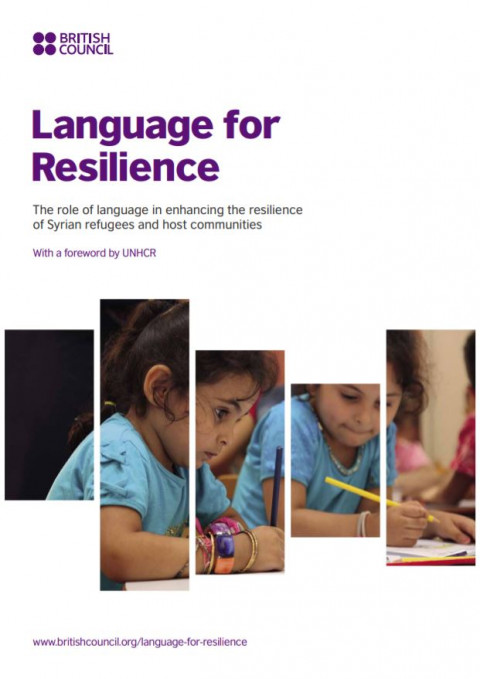
Language for Resilience: The Role of Language in Enhancing the Resilience of Syrian Refugees and Host Communities
- Author
- Tony CapstickMarie Delaney
- Corporate Author
- British CouncilUN. Office of the United Nations High Commissioner for Refugees (UNHCR)
- Collation
- 36 p.
- Resource Language
- EnglishArabic
- Year of publication
- 2018
- Level of education
- Early childhood care and educationPrimary educationSecondary educationHigher educationNon-formal education
- Region
- Arab States
- Place of publication
- مانشستر
The Language for Resilience report examines the impact of language on refugees and host communities affected by the Syrian crisis, identifying the different ways that language skills enhance resilience and providing suggestions for programme responses that address key needs.
The report shows that for children and young people attending schools or post-school education, and for educators in host communities handling influxes of refugee students, quality language learning improves attainment and attendance and builds safer and more inclusive classrooms. It also illustrates how creative approaches to language education can support the development of life skills and help meet psycho-social needs.
Related Resources
-
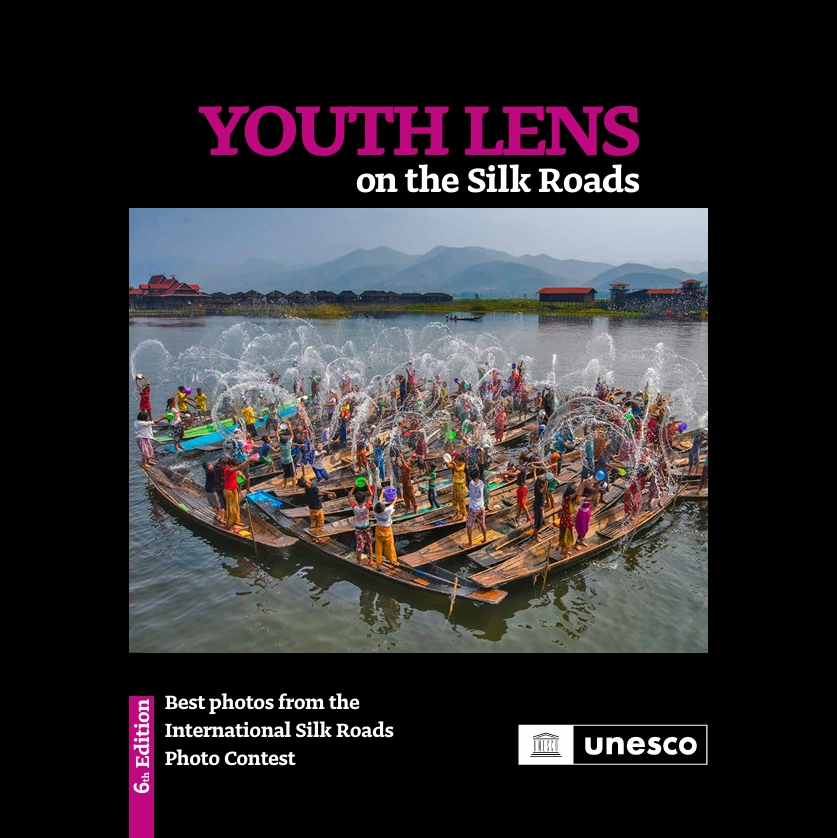 Youth Lens on the Silk Roads: Best Photos from the International Silk Roads Photo Contest; 6th Edition
 -
 Addressing Violent Pasts through Education: A Policy Guide
 -
 UNESCO Framework for Culture and Arts Education: Implementation Guidance
 -
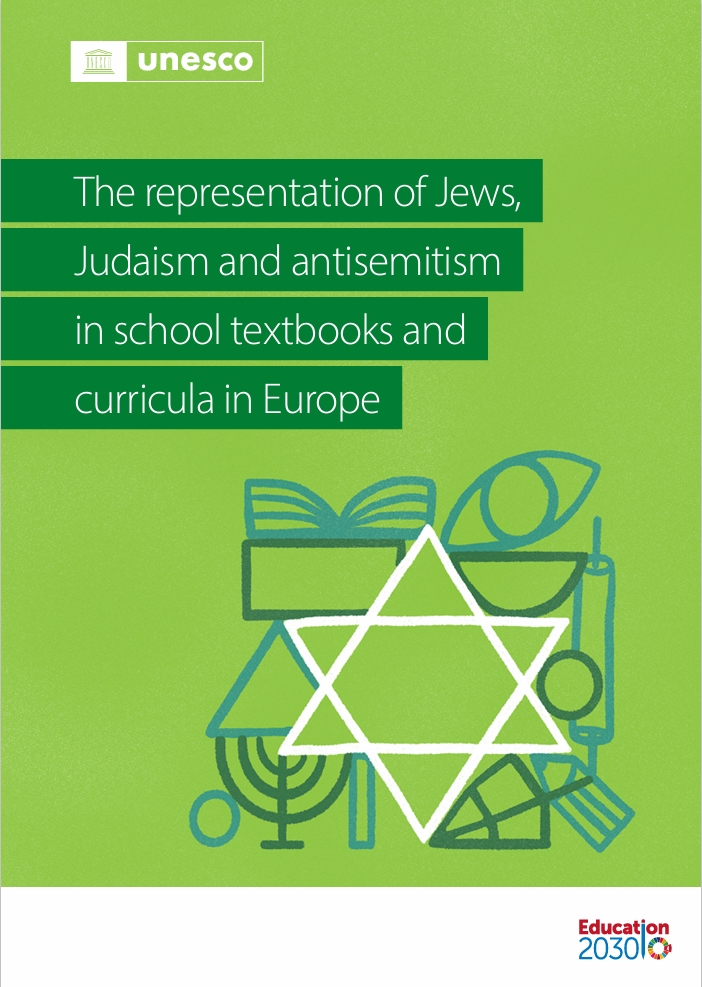 The Representation of Jews, Judaism and Antisemitism in School Textbooks and Curricula in Europe