

Research on Digital Competence of EU Citizens: A Comparative Analysis Based on the Dig Comp1.0, 2.0 and 2.1 (International and Comparative Education; No. 6)
- Author
- Zheng XudongFan Xiaoyu
- Corporate Author
- Beijing Normal University
- ISBN
- ISSN 1003-7667
- Collation
- p. 26-34
- Resource Language
- Chinese
- Year of publication
- 2020
- Resource Type
- Research papers / journal articles
- Level of education
- Higher educationLifelong learningNon-formal education
- Place of publication
- Beijing
The explosive development of digital technology has revolutionized the competences of social citizens. In 2006, EU proposed digital competence, based on it, EU established A Framework for Developing and Understanding Digital Competence in Europe (Dig Comp 1.0). After releasing two revisions of Dig Comp 1.0, the Digital Competence Framework for Citizens (Dig Comp 2.1) was officially released in 2017. Compared with the former versions, Dig Comp 2.1 expanded digital competences areas, revised the competences names, no longer described the specific competences from KSA (knowledge, skill and attitude) perspective, and the proficiency of the competences were divided into more detailed 8 proficiency level. The Dig Comp 2.1 contained the following values: a. the transformation of the concept of digital citizenship education; b. paying attention to the competences of complex problem solving and innovation; c. looking forward to the future development of intelligent society; d. supporting the development of lifelong learning and developing qualified digital citizens. Dig Comp 2.1 has enlightenment for building a learning society in China, and that of improving the digital competences of Chinese citizens.
Related Resources
-
 IIEP-UNESCO 12th Medium-Term Strategy: 2026–2029
 -
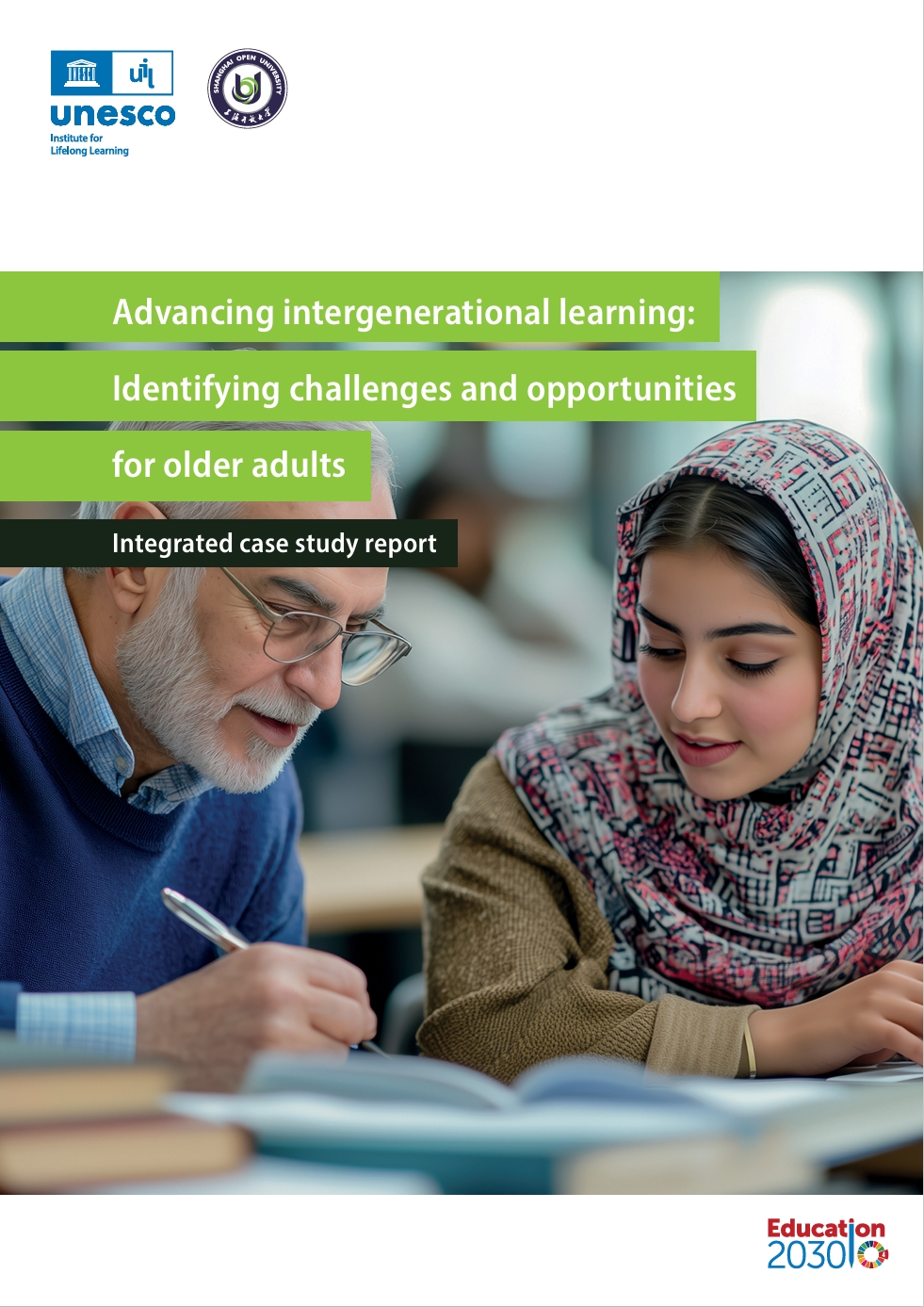 Advancing Intergenerational Learning: Identifying Challenges and Opportunities for Older Adults; Integrated Case Study Report
 -
 Digital Empowerment for Lifelong Learning and Transformative Andragogy (DELTA) for Adult Educators: Introduction to the DELTA Framework and Resources
 -
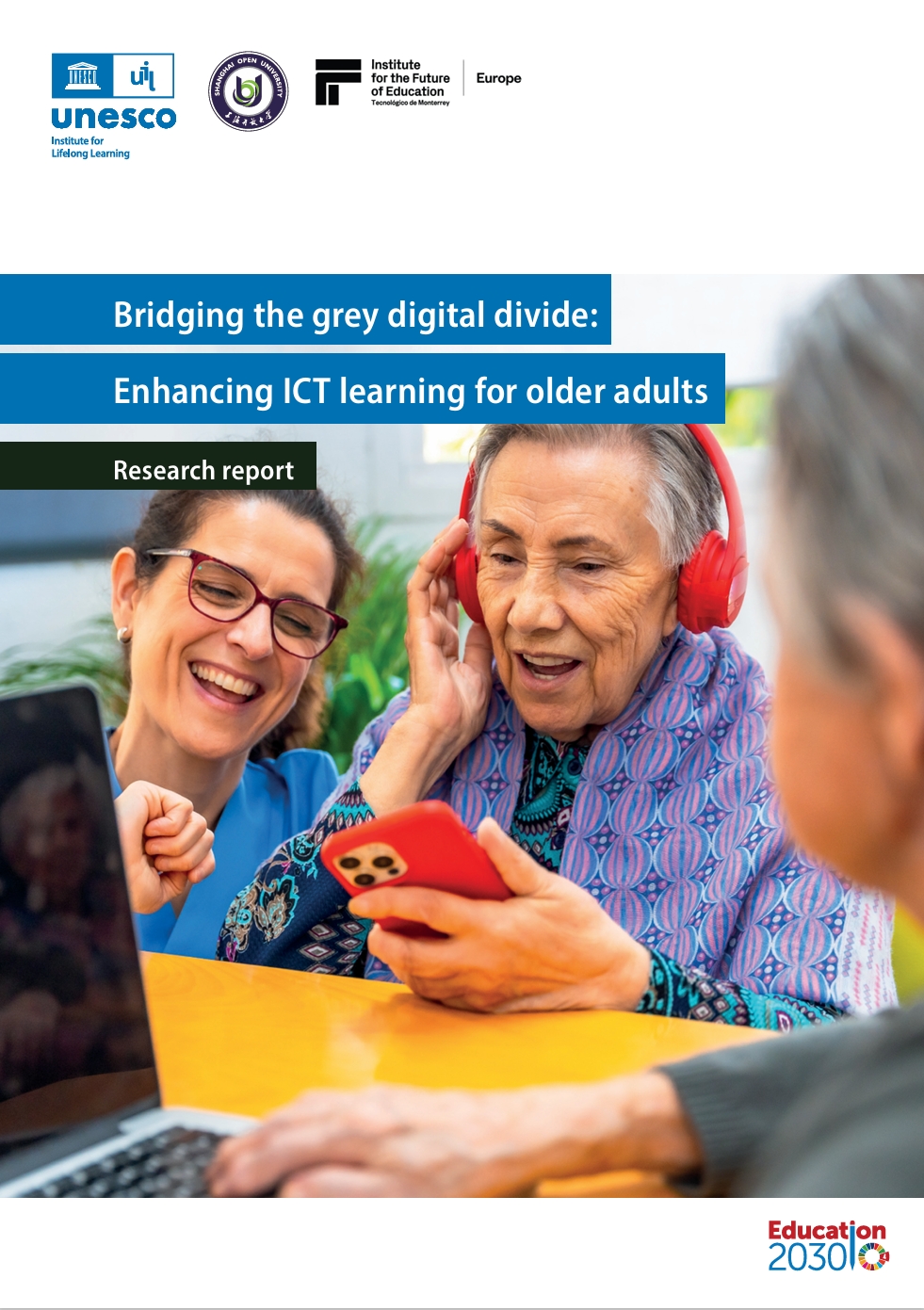 Bridging the Grey Digital Divide: Enhancing ICT Learning for Older Adults; Research Report