

Treaties on Teachers for Global Citizenship Education (Korean Journal of Teacher Education; Vol. 31, No. special)
- Author
- Kioh Jeong
- Corporate Author
- Korea National University of Education
- ISBN
- ISSN 1225-2042 (print); ISSN 2288-5706 (online)
- Collation
- p. 183-205
- Resource Language
- Korean
- Year of publication
- 2015
- Resource Type
- Research papers / journal articles
- Level of education
- Higher educationTechnical and vocational education and training
- Region
- Asia and the Pacific
- Place of publication
- Cheongju
This article examines the nature of Global Citizenship Education (GCE) and the qualification of the teacher for the GCE. GCE means post-modern education beyond modern public education. In the latter, teachers used to have been affiliated with nation-building mission, professional service to learners, and sometimes teacher unionism. These affiliations are typically of modern nationalism and industrialism. Teachers for GCE stand on different ground for their professional practice: global civil right to teach, global civil right to learn, and finally peoples’ fundamental right for development. Their sight extends beyond national territory up to global world and cyber space. They overcome modernity to practice transformative pedagogy accommodating multi-cultural dimensions. The image can be summarized as a model global citizen who serves highly for the benefit of mankind, which characterizes Korean educational ideal as provided by the foundation law of education Korea.
Related Resources
-
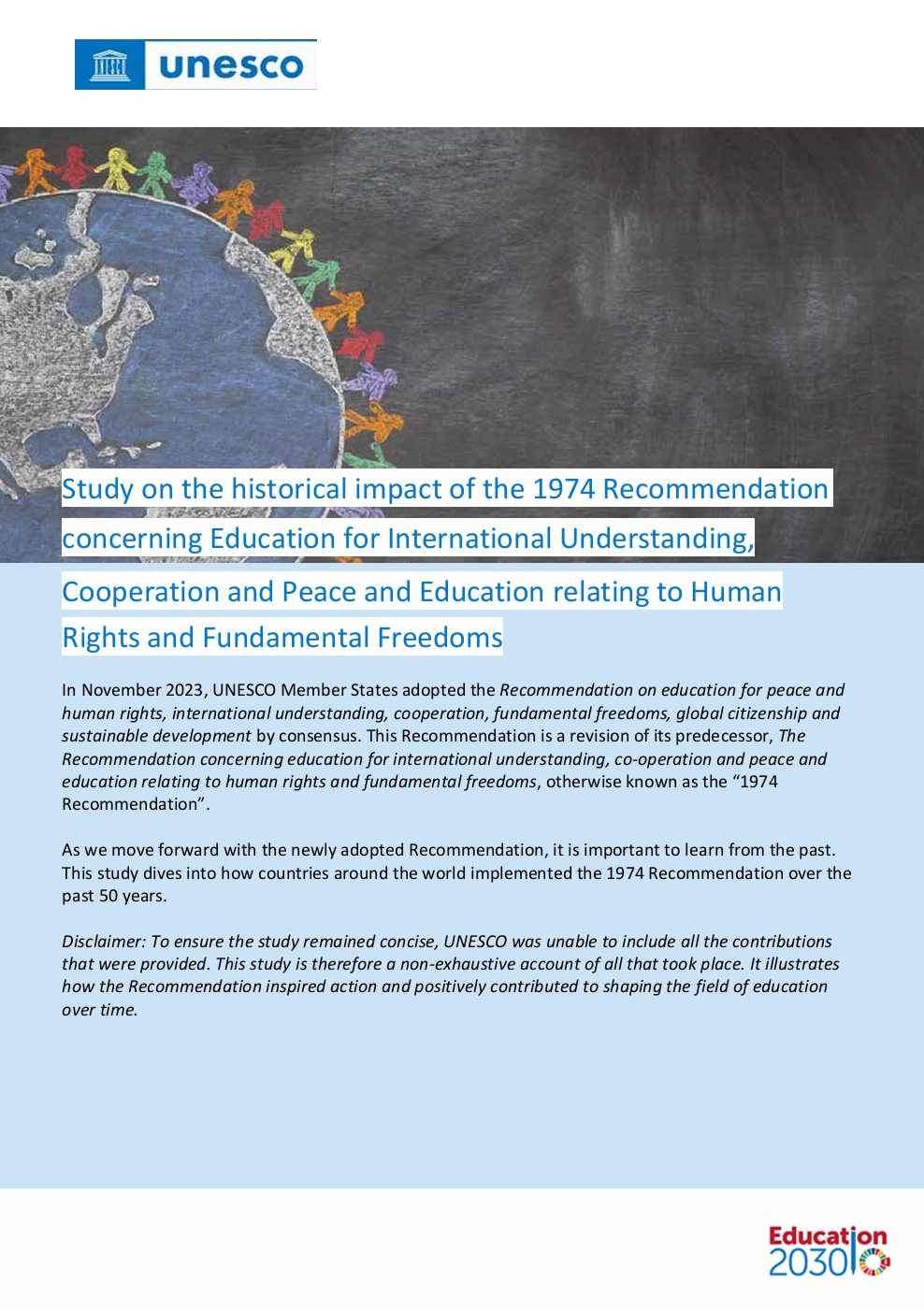 Study on the Historical Impact of the 1974 Recommendation concerning Education for International Understanding, Cooperation and Peace and Education relating to Human Rights and Fundamental Freedoms
 -
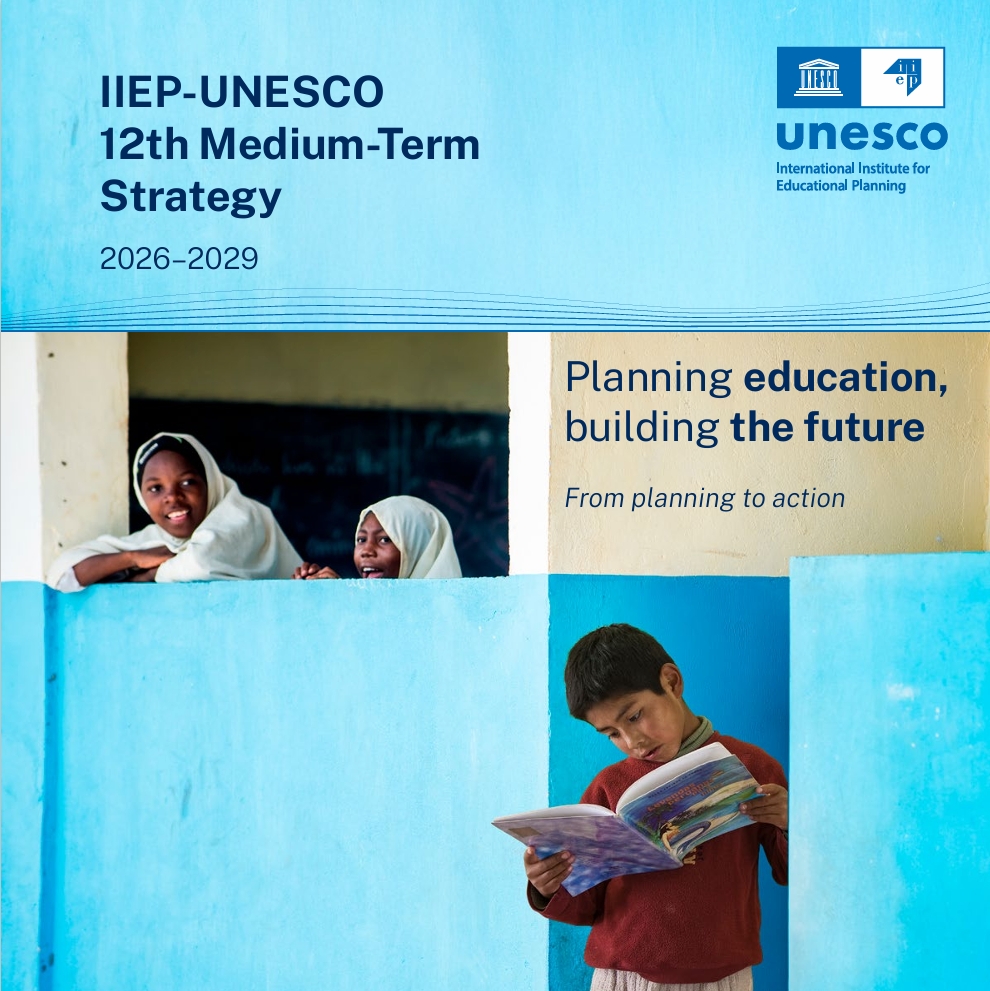 IIEP-UNESCO 12th Medium-Term Strategy: 2026–2029
 -
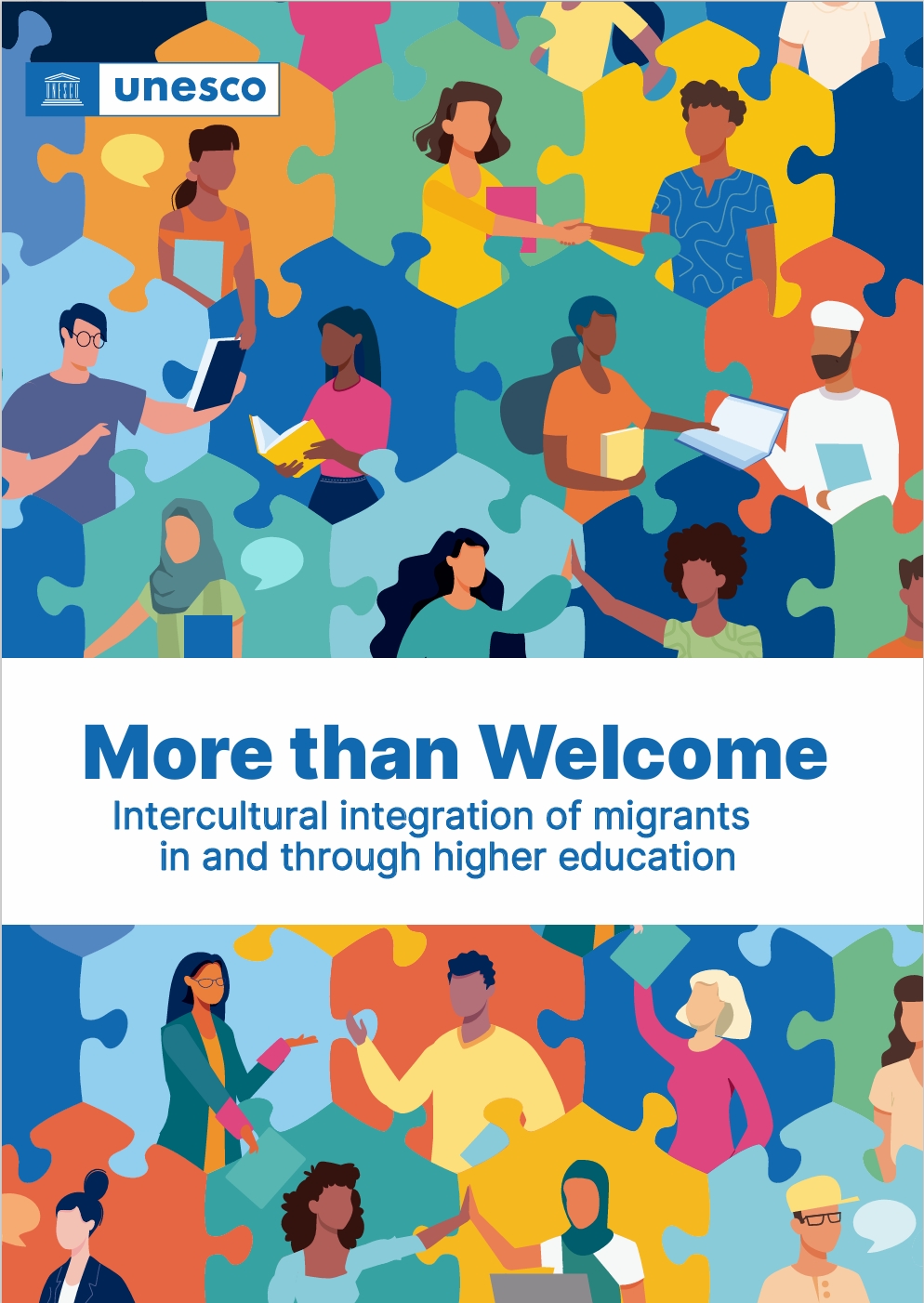 More than Welcome: Intercultural Integration of Migrants in and Through Higher Education
 -
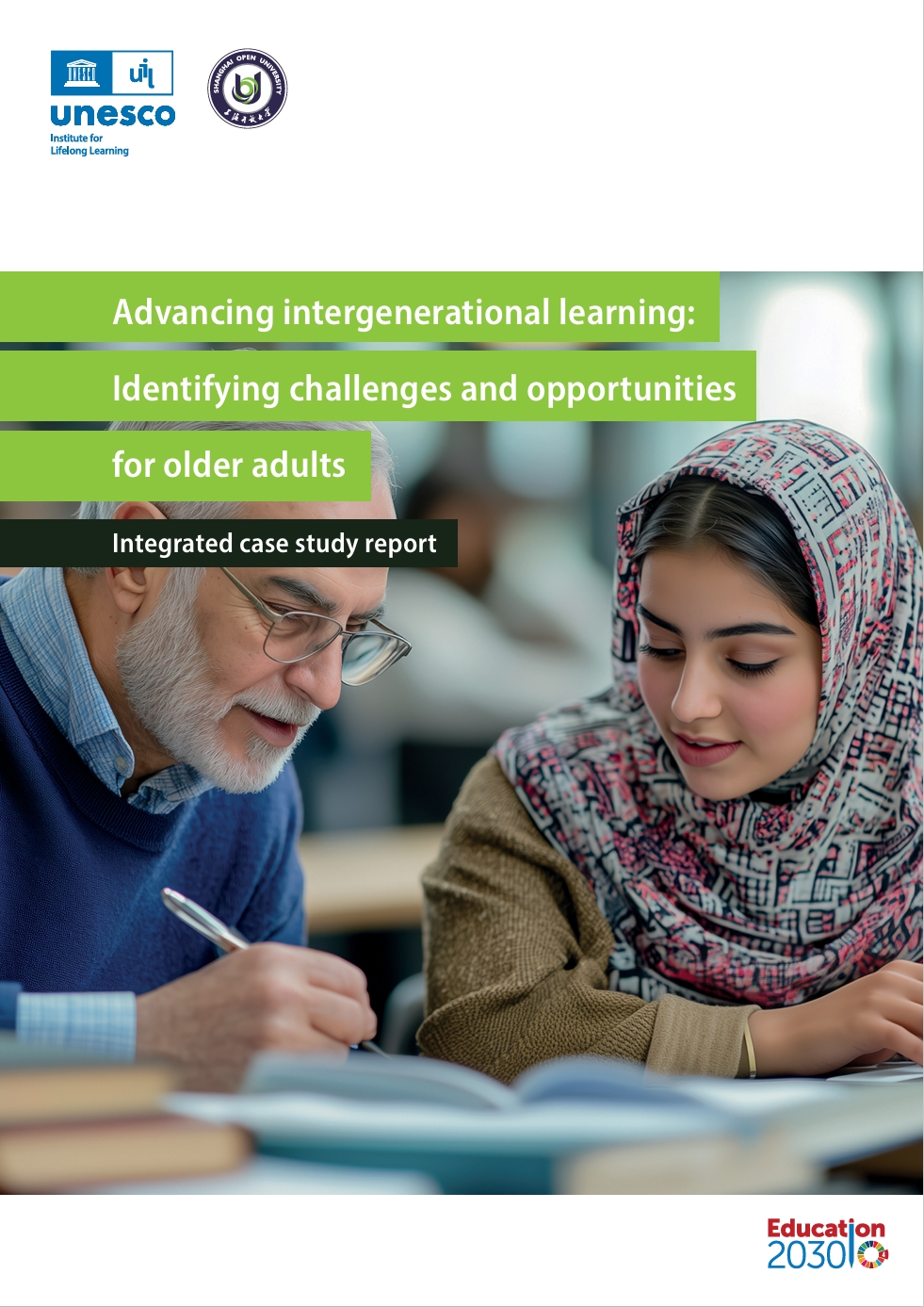 Advancing Intergenerational Learning: Identifying Challenges and Opportunities for Older Adults; Integrated Case Study Report