

Treaties on Teachers for Global Citizenship Education (Korean Journal of Teacher Education; Vol. 31, No. special)
- Автор
- Kioh Jeong
- Корпоративный автор
- Korea National University of Education
- ISBN
- ISSN 1225-2042 (print); ISSN 2288-5706 (online)
- Колляция
- p. 183-205
- Язык ресурса
- Корейский
- Год публикации
- 2015
- Тип ресурса
- Исследовательские работы / журнальные статьи
- Уровень образования
- Высшее образованиеТехническое и профессиональное образование и обучение
- Регион
- Азия и Тихоокеанский регион
- Место публикации
- Cheongju
This article examines the nature of Global Citizenship Education (GCE) and the qualification of the teacher for the GCE. GCE means post-modern education beyond modern public education. In the latter, teachers used to have been affiliated with nation-building mission, professional service to learners, and sometimes teacher unionism. These affiliations are typically of modern nationalism and industrialism. Teachers for GCE stand on different ground for their professional practice: global civil right to teach, global civil right to learn, and finally peoples’ fundamental right for development. Their sight extends beyond national territory up to global world and cyber space. They overcome modernity to practice transformative pedagogy accommodating multi-cultural dimensions. The image can be summarized as a model global citizen who serves highly for the benefit of mankind, which characterizes Korean educational ideal as provided by the foundation law of education Korea.
Связанные ресурсы
-
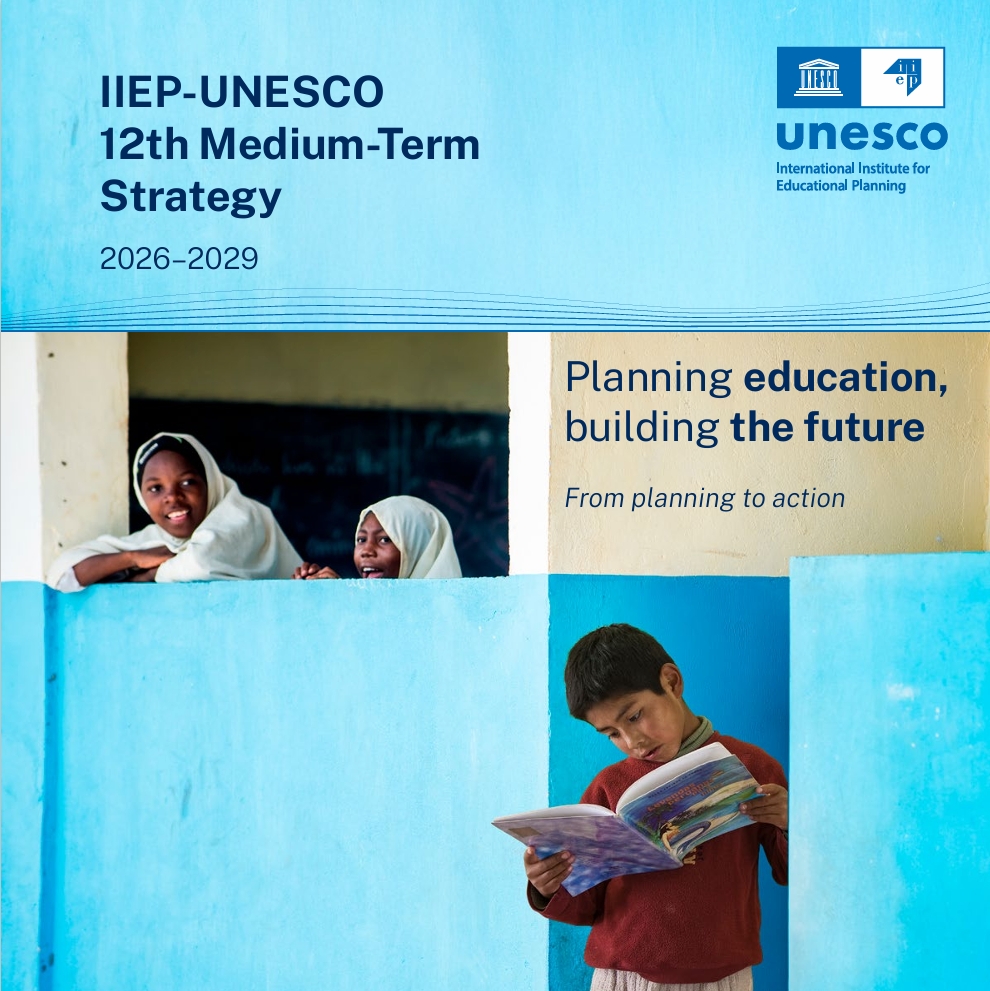 IIEP-UNESCO 12th Medium-Term Strategy: 2026–2029
 -
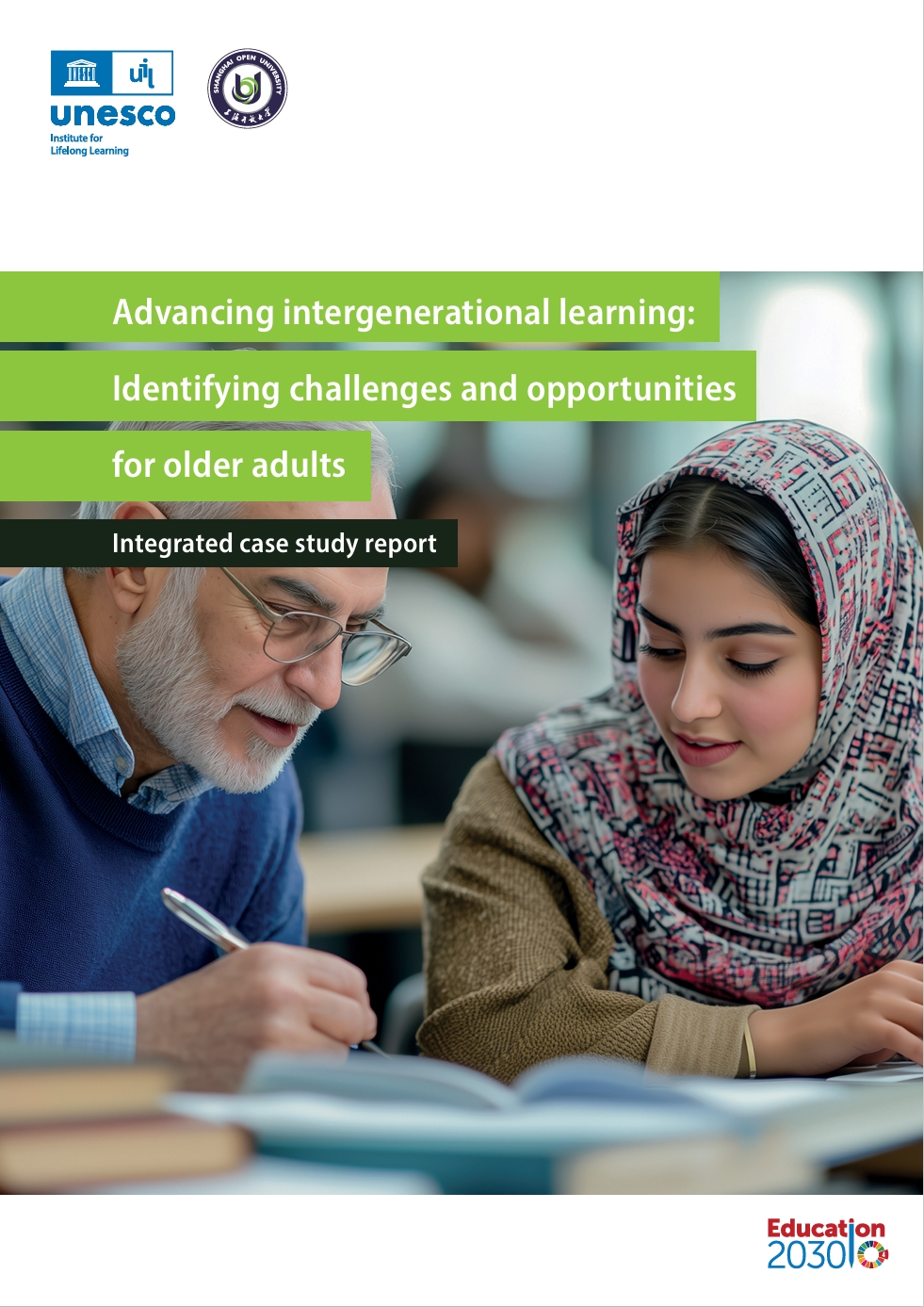 Advancing Intergenerational Learning: Identifying Challenges and Opportunities for Older Adults; Integrated Case Study Report
 -
 Digital Empowerment for Lifelong Learning and Transformative Andragogy (DELTA) for Adult Educators: Introduction to the DELTA Framework and Resources
 -
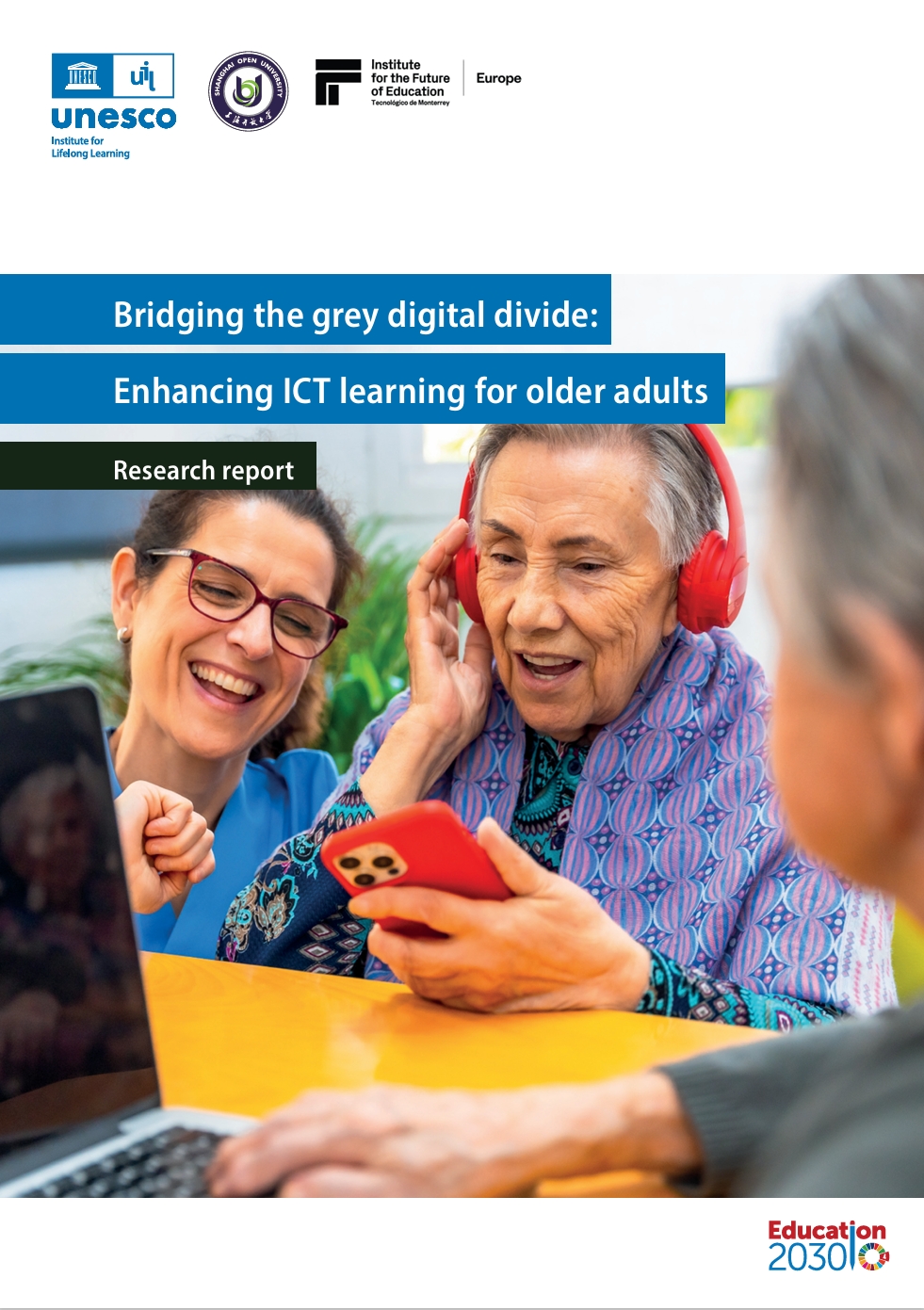 Bridging the Grey Digital Divide: Enhancing ICT Learning for Older Adults; Research Report