
Mindfulness in the Context of Education
- Corporate Author
- Campus Virtual MIMI
- Collation
- 24:52 (24min 52sec)
- Resource Language
- Spanish
- Year of publication
- 2021
- Topic
- Diversity / Cultural literacy / InclusivenessTransformative initiatives / Transformative pedagogies
- Resource Type
- Multimedia materials
- Level of education
- Early childhood care and educationPrimary educationSecondary educationHigher educationLifelong learning
- Place of publication
- Bogotá
This podcast deals with the concept of mindfulness, understood as an Eastern tradition that in recent years has been adapting to Western culture from different contexts to work on its own well-being. It is also defined by the author Jon Kabat-Zinn, who has brought to the West is practical, as the possibility of paying attention in a determined way to the present moment, without judgments. It has 3 components: attention, the intention to be present and attitudes individuals. It shows to be an inherent quality of the human being, as well as a capacity and ability that is trained, a practice that helps the brain in terms of its predispositions and has scientific bases that strongly relate it to mental health, due to its intervention in the nervous system , which generate a balance in the activation of this system. Therefore, the objective of mindfulness is to generate a possibility to balance emotions and learn to regulate them. It allows thoughts to connect with the body, which impacts on affective symptoms by strengthening the immune system. The video shows the ways to use it in everyday life in the academic context.
Related Resources
-
 IIEP-UNESCO 12th Medium-Term Strategy: 2026–2029
 -
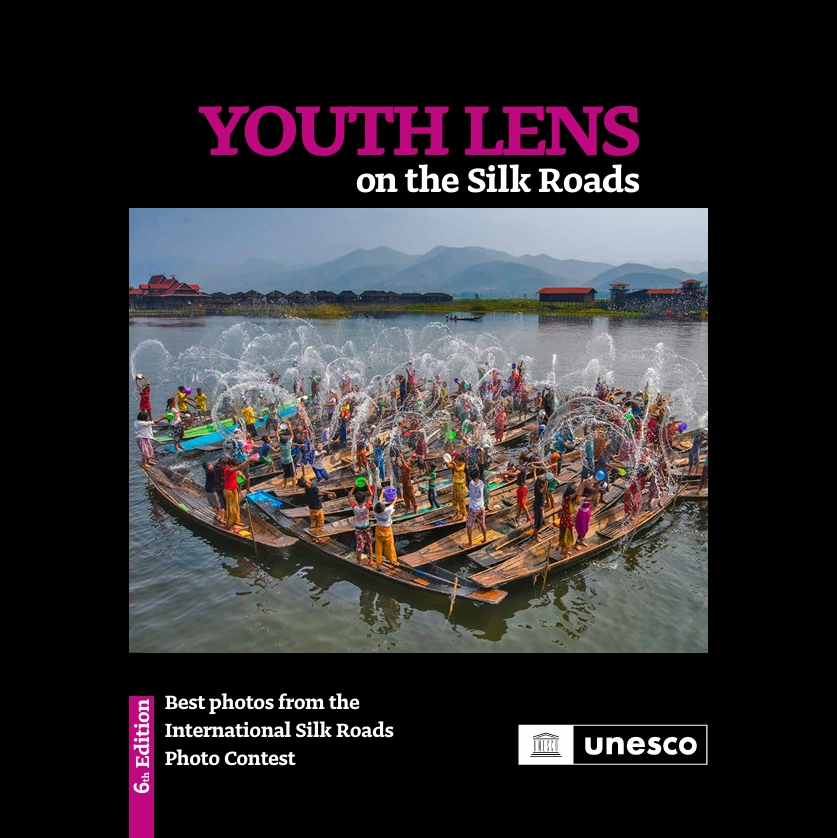 Youth Lens on the Silk Roads: Best Photos from the International Silk Roads Photo Contest; 6th Edition
 -
 Digital Empowerment for Lifelong Learning and Transformative Andragogy (DELTA) for Adult Educators: Introduction to the DELTA Framework and Resources
 -
 UNESCO Framework for Culture and Arts Education: Implementation Guidance