
Resources
Explore a wide range of valuable resources on GCED to deepen your understanding and enhance your research, advocacy, teaching, and learning.
31 Results found
 A Review of Education for Sustainable Development and Global Citizenship Education in Teacher Education Year of publication: 2017 Author: Douglas Bourn, Frances Hunt, Phil Bamber Corporate author: University College London. Institute of Education This paper has been produced to inform UNESCO in its preparation for the 2017 Global Education Monitoring Report (GEM) Report. Its purpose is to examine the current preparation of teachers in Education for Sustainable Development (ESD) and Global Citizenship Education (GCED) as outlined in the Sustainable Development Goal (SDG) target 4.7.The literature for this study is based on looking not only at material that makes direct reference to ESD and GCED, but also broader themes that have a potential bearing on these areas such as a sense of global, social and environmental responsibility and a commitment to social justice.In this paper teacher education includes the initial and in-service continuing professional development (CPD) of teachers.
  Education for Sustainable Development Year of publication: 2016 Author: Altayeb Ahmed Corporate author: National Center for Curriculum and Educational Research This paper addresses education for sustainable development. It opens by discussing the concept of education for sustainable development. The author clearly links how education is looking at environment and how we should preserve it. التعليم من أجل التنمية المستدامة Year of publication: 2016 Author: Altayeb Ahmed Corporate author: National Center for Curriculum and Educational Research تتناول الورقة التعليم من أجل التنمية المستدامة. يفتح من خلال مناقشة مفهوم التعليم من أجل التنمية المستدامة. يربط المؤلف بوضوح كيف ينظر التعليم إلى البيئة وكيف يجب أن نحافظ عليه.
  Equitable Education: 30 Years from Education for All to All for Education 2030 Year of publication: 2020 Author: Juan Miguel Luz Corporate author: Equitable Education Fund In the 30 years since the World Declaration on Education for All (Jomtien Declaration, Thailand), the world has made enormous strides in achieving the target of universal primary education.Total enrolment rates in developing regions reached 91 percent in 2015 and the worldwide number of children out of school has dropped by almost half. However, large disparities remain. Children from the poorest households are up to five times more likely to be out of school than those of the richest households. Disparities between rural and urban areas also remain high.As education inequality threatens to widen because of the COVID-19 pandemic, and with only 10 years to go to achieve the Sustainable Development Goals (SDGs), now, more than ever, is the time for the world to come together and accelerate change through innovative and sustainable solutions.
  Educación no formal, desarrollo sostenible y la Agenda de Educación 2030: Estudio de prácticas de la sociedad civil en América Latina y el Caribe Year of publication: 2020 Corporate author: Organización de las Naciones Unidas para la Educación, la Ciencia y la Cultura (UNESCO) En esta publicación, se muestran 27 iniciativas de la sociedad civil de diversos países de la región de América Latina y el Caribe que trabajan promoviendo acciones y programas para lograr el cumplimiento de la Meta 4.7 desde la educación no formal. En el estudio, se busca que las propias organizaciones expongan su trabajo, los retos que enfrentan en la implementación de sus programas y sus mayores logros.
 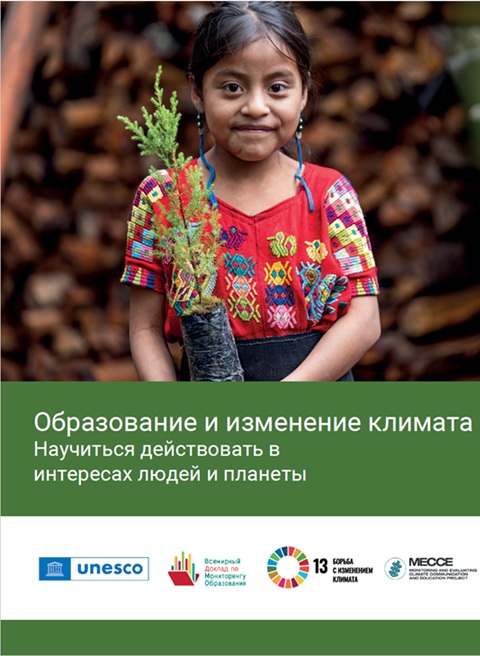 Образование и изменение климата: Научиться действовать в интересах людей и планеты Year of publication: 2024 Corporate author: Global Education Monitoring Report Team | Monitoring and Evaluating Climate Communication and Education Project (MECCE) | University of Sakatchewan Как образование может стимулировать деятельность в связи с изменением климата?Несмотря на убедительные факты, свидетельствующие о влиянии образования на достижение других результатов в области развития и о его роли в укреплении профессионального потенциала для перехода к устойчивому развитию, образование зачастую не учитывается при рассмотрении другими секторами вопросов, касающихся стратегических аспектов, политики, планирования и финансирования. В рамках Всемирного доклада по мониторингу образования предлагается новая серия публикаций, призванных содействовать диалогу на тему взаимосвязи образования с другими целями в области устойчивого развития.Первая публикация в этой серии посвящена изменению климата. Сначала в ней рассматривается растущее влияние изменения климата на образование, а затем – роль образования в деятельности в области климата. Вклад образования в развитие профессионального потенциала для перехода к «зеленой» экономике во многом недооценен. Принято считать, что формальное, неформальное и информальное обучение также играют важнейшую роль в создании мотивации для действий по смягчению последствий изменения климата и адаптации к ним.Однако положительная корреляция между уровнем образования и неустойчивыми моделями потребления, а также неоднозначность многих исследований на тему непосредственного влияния образования на меры по адаптации к изменению климата и смягчению его последствий, в некоторой степени способствуют тому, что образованию уделяется недостаточно внимания в глобальных и национальных программах действий в области изменения климата.В настоящей публикации показано, что для успешной реализации потенциала образования в области изменения климата его необходимо адаптировать. Парадигма образования не может быть основана только лишь на передаче знаний – она должна быть нацелена на формирование социально-эмоциональных навыков и обучение, ориентированное на действия.Значительная доля проведенных исследований посвящена влиянию уровня образования и когнитивного обучения, в связи с чем требуется проведение дополнительных исследований для оценки других факторов, позволяющих образованию оказывать воздействие на модели поведения и создавать мотивацию для деятельности в связи с изменением климата. Такие исследования необходимы для разработки эффективных пакетов образовательных реформ, направленных на совершенствование учебных программ, повышение готовности школ и систем образования к изменению климата, обеспечение вовлеченности учащихся и соответствующую подготовку педагогов.
 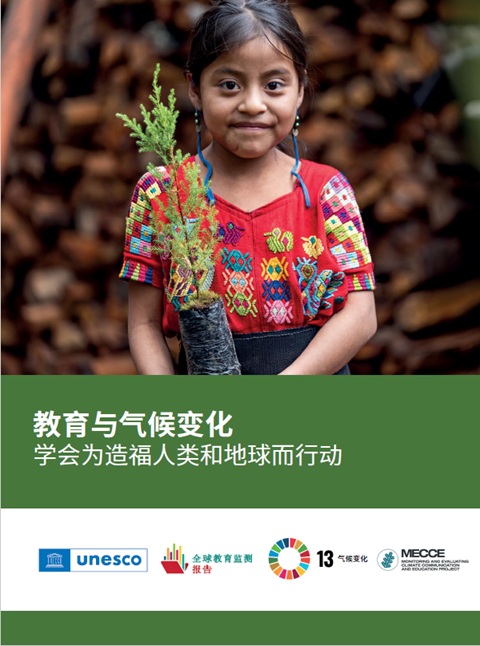 教育与气候变化 学会为造福人类和地球而行动 Year of publication: 2024 Corporate author: Global Education Monitoring Report Team | Monitoring and Evaluating Climate Communication and Education Project (MECCE) | University of Sakatchewan 教育如何促成气候变化行动?尽管有强有力的证据表明教育可以影响其他发展成果,并在培养促进可持续发展转型的专业能力方面发挥着重要作用,但在其他部门的战略、政策、规划和筹资考量中,却常常看不到教育的踪影。《全球教育监测报告》现推出一个新的出版物系列,以推动关于教育与其他可持续发展目标之间相互关系的对话。该系列的第一份出版物聚焦气候变化。其中首先分析了气候变化对教育日渐增强的影响,随后探讨了教育在气候行动中的作用。教育在培养促进向绿色经济转型的专业能力方面的贡献,在某种程度上未得到充分重视。人们普遍认为,正规、非正规和非正式学习在推动采取减缓和适应气候变化的行动方面也发挥着关键作用。然而,由于受教育程度与不可持续的消费水平之间存在正相关关系,而且关于教育对气候变化适应和减缓行动的直接影响方面的许多研究尚无定论,这在一定程度上导致教育在全球和国家气候变化议程中不受重视。本出版物认为,需要对气候变化教育作出调整,以充分发挥其潜力。教育模式不能仅仅依靠知识传授,还需要注重社会情感和行动导向学习。大部分研究都侧重于受教育程度和认知学习的影响。因此,需要开展更多研究,以评估教育还可以借由哪些其他驱动因素来影响行为并推动气候变化行动。需要借助此类研究来制定可行的教育改革方案,以完善课程设置,加强学校和教育系统的气候行动准备工作,让学习者参与进来,并使教育工作者做好相应的准备。
 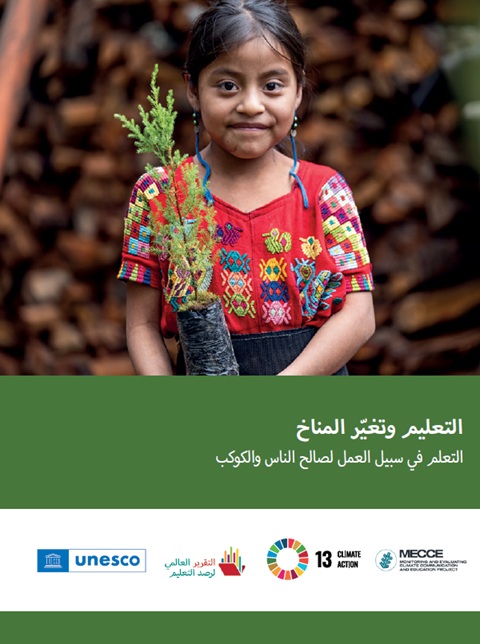 التعلّم من أجل العمل لصالح الناس والكوكب: التعليم وتغيّر المناخ Year of publication: 2024 Corporate author: Global Education Monitoring Report Team | Monitoring and Evaluating Climate Communication and Education Project (MECCE) | University of Sakatchewan ملخص مختصركيف يفضي التعليم إلى اتخاذ إجراءات بشأن تغيّر المناخ؟مع أن هنالك بيّنات دامغة على تأثير التعليم في سائر النتائج في مجال التنمية، وعلى الدور الذي يؤديه التعليم في تنمية القدرات المهنية اللازمة لعمليات الانتقال إلى التنمية المستدامة، فإن التعليم عادةً ما يكون غائباً عن اعتبارات سائر القطاعات عند اضطلاعها بوضع الاستراتيجيات والسياسات والتخطيط والتمويل. ولذا، استحدث التقرير العالمي لرصد التعليم سلسلة جديدة من المنشورات سعياً إلى تعزيز الحوار بشأن العلاقة المتبادلة بين التعليم وسائر أهداف التنمية المستدامة.وتتمحور الوثيقة الأولى في هذه السلسلة حول تغيّر المناخ. وتستعرض في مستهلها تنامي عواقب تغيّر المناخ على التعليم، ثم تتناول دور التعليم في العمل المناخي. وتبيّن الوثيقة أن مساهمة التعليم في تنمية القدرات المهنية اللازمة للانتقال إلى الاقتصاد المراعي للبيئة (الأخضر) لا تنال حقّ قدرها من التقدير. وهنالك قناعة شائعة أيضاً بأن التعليم، سواء النظامي أو غير النظامي أو غير الرسمي، يؤدي دوراً حاسماً في الحفز على اتخاذ الإجراءات الرامية إلى الحد من وطأة عواقب تغيّر المناخ والتكيف معها.بيد أن العلاقة الطردية بين التحصيل العلمي ومستويات الاستهلاك غير المستدام، فضلاً عن عدم توصل البحوث بشأن التأثير المباشر للتعليم في إجراءات التكيف مع عواقب تغيّر المناخ والحد من وطأتها إلى نتائج قاطعة، ساهما مساهمة جزئية في وضع مجال التعليم في أسفل سلم أولويات الخطط العالمية والوطنية المتعلقة بتغيّر المناخ.وتدّعي هذه الوثيقة ضرورة تكييف التعليم بشأن تغيّر المناخ لكي يتسنى تحقيق الإمكانيات الكامنة فيه. فلا يمكن أن يقتصر النموذج التربوي على نقل المعارف، بل لا بد له من التركيز أيضاً على التعلم الاجتماعي والعاطفي والعمل المنحى.وقد تمحور العديد من البحوث حول تأثير التحصيل العلمي والتعلم المعرفي. ولذا من الضروري إجراء المزيد من البحوث لتقييم سائر العوامل الحفازة التي يمكن للتعليم التأثير من خلالها في أنماط السلوك والحفز على اتخاذ إجراءات بشأن تغيّر المناخ. وتعدّ هذه البحوث ضرورية أيضاً من أجل إعداد برامج إصلاح قابلة للتطبيق في مجال التعليم تفضي إلى تحسين المناهج الدراسية، وتعزيز تأهب المدارس ونظم التعليم للتصدي لعواقب تغيّر المناخ، وإشراك المتعلمين، وإعداد المعلمين بما يتلاءم مع ذلك.
 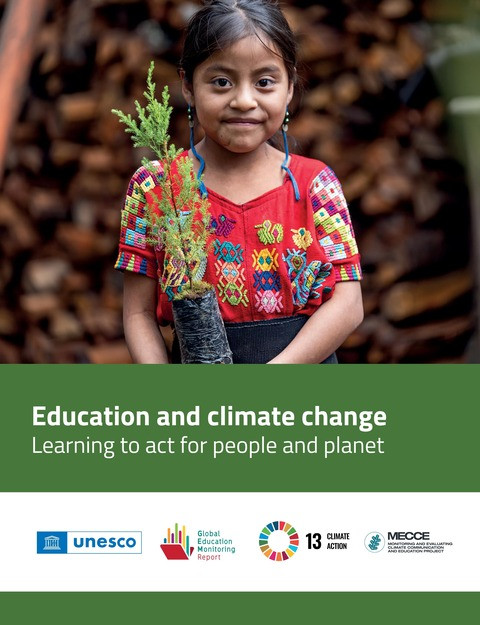 Education and Climate Change: Learning to Act for People and Planet Year of publication: 2024 Corporate author: Global Education Monitoring Report Team | Monitoring and Evaluating Climate Communication and Education Project (MECCE) | University of Sakatchewan How can education lead to climate change action?Despite strong evidence on the impact of education on other development outcomes and the role it plays in developing professional capacity for sustainable development transitions, education is often absent from other sectors’ strategic, policy, planning and financing considerations. The Global Education Monitoring Report is introducing a new series to advance dialogue on the interrelationship of education with the other Sustainable Development Goals.The first paper in the series focuses on climate change. It starts by reviewing the growing impact of climate change on education before turning to the role of education in climate action. Education has a somewhat underappreciated contribution to developing professional capacities for the transition to a green economy. Formal, non-formal and informal learning are also commonly believed to be playing a critical role in motivating actions on climate change mitigation and adaptation.Yet a positive association between education attainment and unsustainable consumption levels, as well as inconclusiveness of much research on the direct impact of education on climate change adaptation and mitigation actions has in part contributed to education receiving low priority in global and national climate change agendas.This paper argues that climate change education needs to adapt to fulfil its potential. The education paradigm cannot rely solely on knowledge transfer but needs to focus on social and emotional, and action-oriented learning.Much of the research has focused on the impact of education attainment and cognitive learning. More research is therefore needed to assess other drivers through which education can influence behaviours and motivate climate change action. Such research is needed to formulate viable education reform packages that improve the curriculum, strengthen climate-readiness of schools and education systems, engage learners and prepare educators accordingly.
 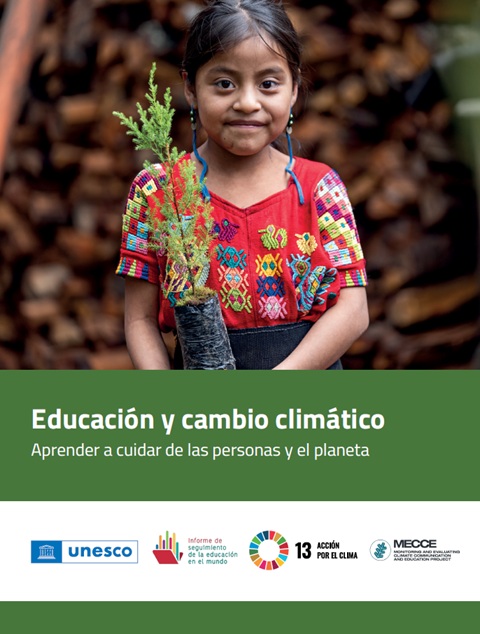 Educación y cambio climático: aprender a cuidar de las personas y el planeta Year of publication: 2024 Corporate author: Global Education Monitoring Report Team | Monitoring and Evaluating Climate Communication and Education Project (MECCE) | University of Sakatchewan ¿Cómo puede la educación conducir a la acción contra el cambio climático?A pesar de las sólidas pruebas existentes sobre la repercusión de la educación en el logro de otros objetivos de desarrollo y la función que desempeña en el desarrollo de la capacidad profesional para las transiciones hacia el desarrollo sostenible, la educación suele estar ausente de las consideraciones estratégicas, políticas, de planificación y de financiación de otros sectores.El Informe de seguimiento de la educación en el mundo presenta una nueva serie destinada a fomentar el diálogo sobre la interrelación de la educación con los demás Objetivos de Desarrollo Sostenible. El primer documento de la serie se centra en el cambio climático, y empieza por analizar el creciente impacto del cambio climático en la educación antes de pasar a abordar la función de la educación en la acción climática.La contribución de la educación al desarrollo de capacidades profesionales para la transición a una economía verde está en cierta medida infravalorada. Al mismo tiempo, existe la conciencia de que el aprendizaje, tanto formal como no formal e informal, desempeña una función esencial a la hora de motivar la acción en materia de mitigación del cambio climático y adaptación a sus efectos.Sin embargo, la existencia de una correlación positiva entre el nivel de educación y los niveles de consumo insostenibles, así como la falta de conclusiones de muchas investigaciones sobre la repercusión directa de la educación en la mitigación del cambio climático y la adaptación a sus efectos, han contribuido en parte a que se otorgue escasa prioridad a la educación en las agendas mundiales y nacionales sobre el cambio climático.En este documento se sostiene que es necesario adaptar la educación sobre el cambio climático para que desarrolle todo su potencial. El paradigma educativo no puede basarse únicamente en la transferencia de conocimientos, sino que debe centrarse en el aprendizaje socioemocional y orientado a la acción. Gran parte de la investigación se ha centrado en analizar el logro educativo y los resultados que se alcanzan mediante el aprendizaje cognitivo. Por ello, es necesario seguir investigando para evaluar otros factores mediante los cuales la educación puede influir en los comportamientos y motivar la acción contra el cambio climático. Estas investigaciones son necesarias para formular paquetes de reformas educativas viables que mejoren los planes de estudios, refuercen la preparación de las escuelas y los sistemas educativos para el cambio climático, impliquen a los educandos y preparen a los educadores en consecuencia.