
Resources
Explore a wide range of valuable resources on GCED to deepen your understanding and enhance your research, advocacy, teaching, and learning.
1,447 Results found
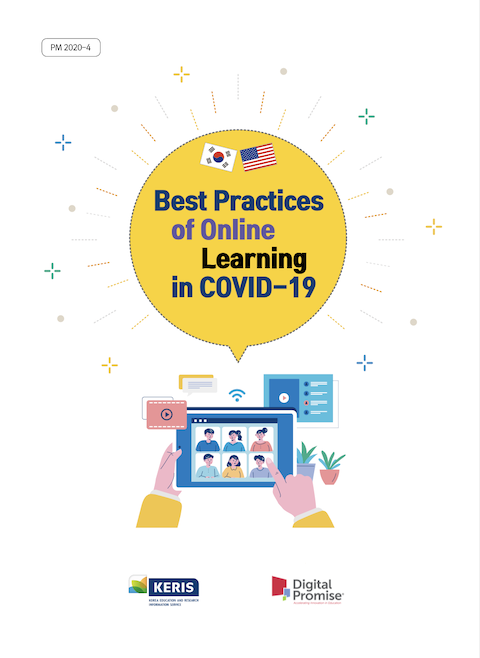 한ㆍ미 혁신 선도교사 코로나19 대응 사례집 Year of publication: 2020 Author: 홍지연 | 최상현 | 이권영 | 서석현 | 김승연 | 전가현 | 신윤철 | 조명우 | 임지원 | 김준영 | Odelia Younge | Kristen Franklin | Dan Foreman | John Seylar | Angela Hardy | Windy Lopez-Aflitto | Missy Bellin | Cricket Fuller | My Nguyen | Vicky Masson | Wrendi McDavid | Jordana McCudden | Karin Bradley | Rachael Wilcox | K. D. Meucci | Jessica Bibbs-Fox | Kristy Carter | Grace Angel Corporate author: Digital Promise | 한국교육학술정보원 본 자료는 미국과 대한민국의 팬데믹 상황에 대응하는 수업 방법과 실제 사례를 소개하고 있다.
  Media Literacy at Your Library: Learning and Prototyping Report Year of publication: 2018 Corporate author: American Library Association (ALA) Media Literacy at Your Library was a project of the American Library Association (ALA) in collaboration with the Center for News Literacy at Stony Brook University (CNL), supported by the John S. and James L. Knight Foundation, the Democracy Fund, and the Rita Allen Foundation as part of the Knight Prototype Fund.Through this project, ALA sought to address a critical need in the field for adult media literacy education, with a focus on news literacy. The goal of the prototype project was to develop media literacy training and complementary resources designed to prepare public library professionals to educate their adult patrons to be informed media consumers.Following a one-day training led by CNL, teams from five public libraries took on the challenges of creating innovative media literacy programs serving their distinct communities. With the goal of making the CNL news literacy curriculum more broadly accessible to the library field, the teams also offered feedback on a series of online trainings based on the in-person training they attended. These five library teams guided and informed ALA and CNL’s understanding and development of prototype resources over the course of the project.
 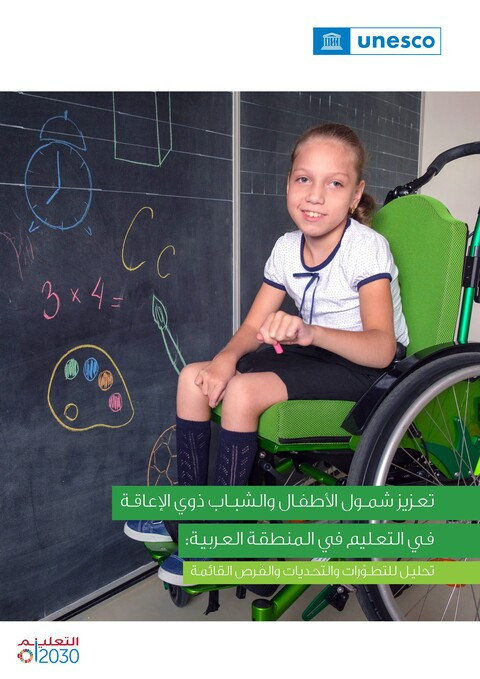 Promoting the Inclusion of Children and Young People with Disabilities in Education in the Arab Region: An Analysis of Existing Developments, Challenges and Opportunities Year of publication: 2022 Author: Maha Khochen-Bagshaw Corporate author: UNESCO Beirut This report was prepared by the UNESCO Regional Office for Education in the Arab Countries within the framework of the Prince Sultan bin Abdulaziz Al Saud Program to Promote the Arabic Language. The report provides an analysis of inclusive education in Arab countries with the aim of formulating future recommendations, although the report focuses specifically on persons with disability. It acknowledges that other categories of learners suffer from marginalization and are unable to benefit from educational opportunities. It addresses the obstacles and challenges that prevent inclusion, and addresses the progress made and the progress needed to make comprehensive quality education a reality in the Arab region. The report stresses the need for organized and systematic cooperation between teachers, schools and the educational community. It calls on governments to implement immediate measures to assign responsibilities related to learners with disabilities to the Ministry of Education, and urges them to allocate adequate funding to develop effective and implementable plans and mobilize national commitment to inclusive education for all. Promouvoir l’inclusion des enfants et des jeunes handicapés dans l’éducation dans la région arabe: une analyse des développements, défis et opportunités actuels Year of publication: 2022 Author: Maha Khochen-Bagshaw Corporate author: UNESCO Beirut Ce rapport a été préparé par le Bureau régional de l'UNESCO pour l'éducation dans les pays arabes dans le cadre du programme du Prince Sultan ben Abdulaziz Al Saud pour promouvoir la langue arabe. Le rapport fournit une analyse de l'éducation inclusive dans les pays arabes dans le but de formuler des recommandations futures, bien qu'il se concentre spécifiquement sur les personnes en situation de handicap. Il reconnaît que d'autres catégories d'apprenants souffrent de marginalisation et ne peuvent pas bénéficier des opportunités éducatives. Il aborde les obstacles et défis qui empêchent l'inclusion, ainsi que les progrès réalisés et ceux nécessaires pour faire de l'éducation de qualité une réalité dans la région arabe. Le rapport souligne la nécessité d'une coopération organisée et systématique entre les enseignants, les écoles et la communauté éducative. Il appelle les gouvernements à mettre en œuvre des mesures immédiates pour assigner les responsabilités liées aux apprenants en situation de handicap au ministère de l'Éducation, et les exhorte à allouer un financement adéquat pour développer des plans efficaces et réalisables et mobiliser l'engagement national en faveur de l'éducation inclusive pour tous. تعزيز شمول الأطفال والشباب ذوي الإعاقة في التعليم في المنطقة العربية: تحليل للتطوّرات والتحديات والفرص القائمة Year of publication: 2022 Author: Maha Khochen-Bagshaw Corporate author: UNESCO Beirut أعد هذا التقرير مكتب اليونسكو الإقليمي للتربية في الدول العربية في إطار برنامج الأمير سلطان بن عبد العزيز آل سعود لتعزيز اللغة العربية. ويقدم التقرير تحليلاً للتعليم الشامل في البلدان العربية بهدف صياغة توصيات مستقبلية.ورغم أنّ التقرير يركز تحديدًا على الأشخاص ذوي الإعاقة، فهو يقرّ أنّ فئات أخرى من المتعلمين تعاني من التهميش ولا تستطيع الانتفاع من الفرص التعليمية. ويتناول العوائق والتحديات التي تحول دون الشمول، ويتطرق إلى التقدم المحرز والتقدم اللازم تحقيقه ليصبح التعليم الجيد الشامل واقعًا في المنطقة العربية. ويؤكد التقرير ضرورة التعاون المنظم والمنهجي بين المعلمين والمدارس والمجتمع التعليمي. ويدعو الحكومات إلى تنفيذ تدابير فورية لإسناد المسؤوليات المرتبطة بالمتعلمين ذوي الإعاقة إلى وزارة التربية والتعليم، ويحثها على تخصيص التمويل الكافي لوضع خطط فعالة وقابلة للتنفيذ وحشد الالتزام الوطني بالتعليم الشامل للجميع.
 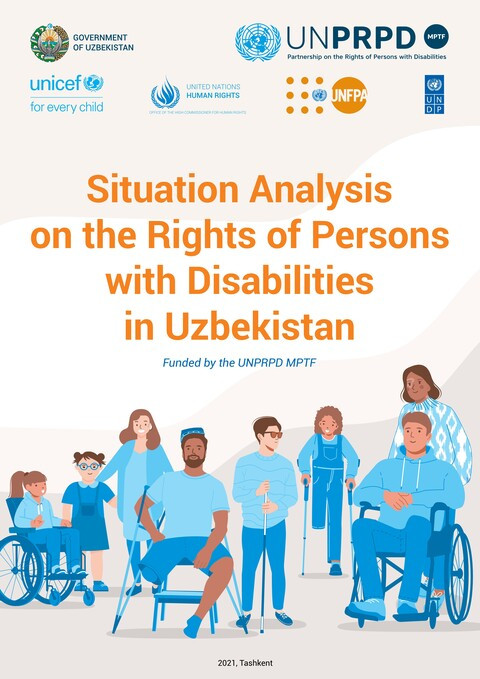 Situation Analysis on the Rights of Persons with Disabilities in Uzbekistan Year of publication: 2021 Corporate author: UNICEF Uzbekistan | United Nations Population Fund (UNFPA) | United Nations Development Programme (UNDP) | UN. Office of the United Nations High Commissioner for Human Rights (UN. OHCHR) This study is based on the results of a situation analysis of children and adults with disabilities conducted in 2019. The ambition of this Situation Analysis is not merely to point at problems but to lay ground for solutions by identifying the opportunities and catalytic forces emerging today. The report looks at the necessary preconditions for realisation of human rights of persons with disabilities, particularly women, girls, and boys with disabilities, such as a robust equality and non-discrimination framework, availability of inclusive and accessible services in the community, disability inclusive financial and coordination mechanisms, transparent monitoring and accountability systems and meaningful participation of persons with disabilities. Анализ ситуации по обеспечению прав лиц с инвалидностью в Узбекистане Year of publication: 2021 Corporate author: UNICEF Uzbekistan | United Nations Population Fund (UNFPA) | United Nations Development Programme (UNDP) | UN. Office of the United Nations High Commissioner for Human Rights (UN. OHCHR) Данное исследование основывается на результатах ситуационного анализа детей и взрослых с инвалидностью, проведенного в 2019 г. Цель данного анализа – не в том, чтобы указать на проблемы, а в том, чтобы заложить основу для их решения путем выявления возможностей и сил содействия, возникающих сегодня. В отчете рассматриваются необходимые предпосылки для реализации прав человека людей с инвалидностью, особенно женщин, девочек и мальчиков с инвалидностью, такие как надежная система обеспечения равенства и недискриминации, наличие инклюзивных и доступных услуг в сообществе, финансовые и координационные механизмы, учитывающие интересы людей с инвалидностью, прозрачные системы мониторинга и отчетности, а также значимое участие людей с инвалидностью.
 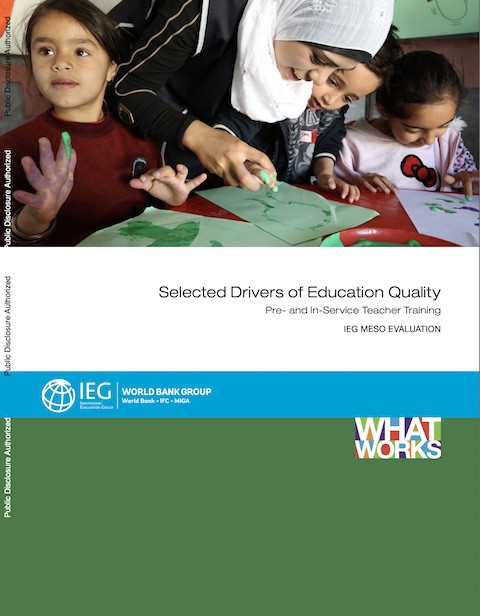 Selected Drivers of Education Quality: Pre- and In-Service Teacher Training Year of publication: 2019 Corporate author: World Bank This evaluation examines how the World Bank has supported two types of professional development to improve teacher capacity—preservice and in-service training—and identifies how these drivers of education quality can be better designed, implemented, and scaled up.
  Inclusion of Students with Disabilities in the Regular School: The Experience of Jordan Year of publication: 2017 Author: Lama Ghoneim Corporate author: Al Fayoum Universit This paper is based on the idea of integrating students with disabilities in public schools for normal students. The researcher used the Jordanian experience to demonstrate the possibility of merging. دمج الطلبة ذوي الإعاقة في المدرسة العادية: تجربة الأردن Year of publication: 2017 Author: Lama Ghoneim Corporate author: Al Fayoum Universit الورقة ترتكز حول فكرة دمج الطلبة ذوي الاعاقة في المدارس العامة للطلاب الأسوياء. وقد إستخدم الباحث التجربة الأردنية في عرض إمكانية الدمج.