
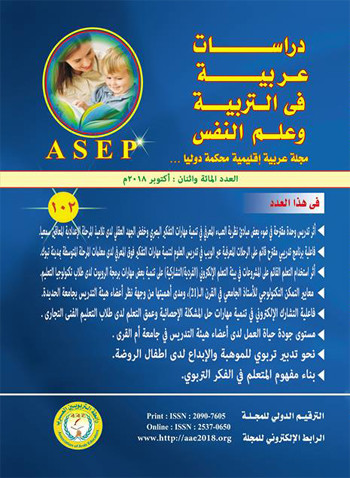
An Analytical Study of the Values of Citizenship Involved in the Book of Citizenship and Human Rights for Second Year Secondary
- Autor
- Maisaa Hamza
- Autor Corporativo
- Association of Arab Educators
- ISBN
- ISSN 2090-7605
- Colección
- p. 405-450
- Idioma del recurso
- árabe
- Año de publicación
- 2016
- Tipo de Recurso
- Research papers / journal articles
- Nivel de Educación
- Educación secundaria
- Región
- Estados Árabes
- Lugar de publicación
- بنها
The study aimed to identify the political, social and economic citizenship values included in the book of citizenship and human rights for second year secondary 2014/2015.It also aimed at suggesting a proposal to include the citizenship values required for secondary school students, The researcher conducted content analysis of the book in the light of the three dimensions of citizenship. the study revealed that. The focus and attention of the book is mainly on the political values (54.7%) and social values(40.8%) of citizenship.
However It extremely ignored economic values(4.39%), The value of “belonging “is the most common value in The Dimension of the political citizenship, which represented (23.69%), followed by the value of “Being Proud at national identity” (23.29%), It also revealed that The value of “Tolerance” is the most common value in The Dimension of the social citizenship, which represented(32.79%), followed by the value of “Voluntary work”(30.10%), finally The value of “Respect Work “is the most common value in The Dimension of the economic citizenship, which represented(50%), followed by the value of “Province on Public and Private Property”(35%), and then the value of “Use The Time”(15%), while the book ignored the value of “Rationalize Consumption”.
Recursos Relacionados
-
 IIEP-UNESCO 12th Medium-Term Strategy: 2026–2029
 -
 Advancing Intergenerational Learning: Identifying Challenges and Opportunities for Older Adults; Integrated Case Study Report
 -
 Digital Empowerment for Lifelong Learning and Transformative Andragogy (DELTA) for Adult Educators: Introduction to the DELTA Framework and Resources
 -
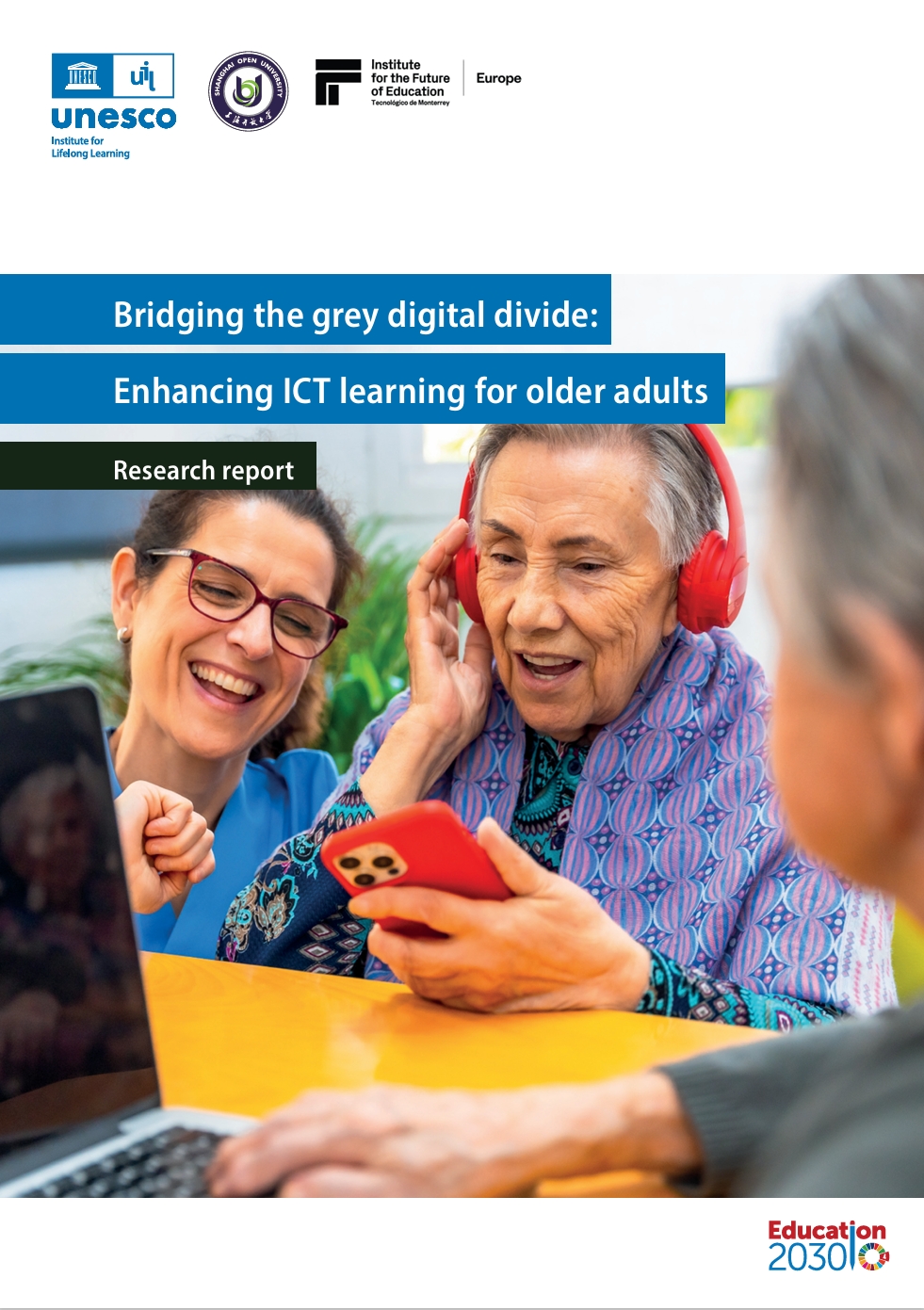 Bridging the Grey Digital Divide: Enhancing ICT Learning for Older Adults; Research Report