
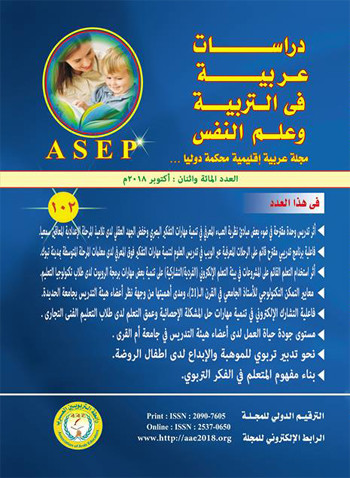
An Analytical Study of the Values of Citizenship Involved in the Book of Citizenship and Human Rights for Second Year Secondary
The study aimed to identify the political, social and economic citizenship values included in the book of citizenship and human rights for second year secondary 2014/2015.It also aimed at suggesting a proposal to include the citizenship values required for secondary school students, The researcher conducted content analysis of the book in the light of the three dimensions of citizenship. the study revealed that. The focus and attention of the book is mainly on the political values (54.7%) and social values(40.8%) of citizenship.
However It extremely ignored economic values(4.39%), The value of “belonging “is the most common value in The Dimension of the political citizenship, which represented (23.69%), followed by the value of “Being Proud at national identity” (23.29%), It also revealed that The value of “Tolerance” is the most common value in The Dimension of the social citizenship, which represented(32.79%), followed by the value of “Voluntary work”(30.10%), finally The value of “Respect Work “is the most common value in The Dimension of the economic citizenship, which represented(50%), followed by the value of “Province on Public and Private Property”(35%), and then the value of “Use The Time”(15%), while the book ignored the value of “Rationalize Consumption”.
관련 자료
-
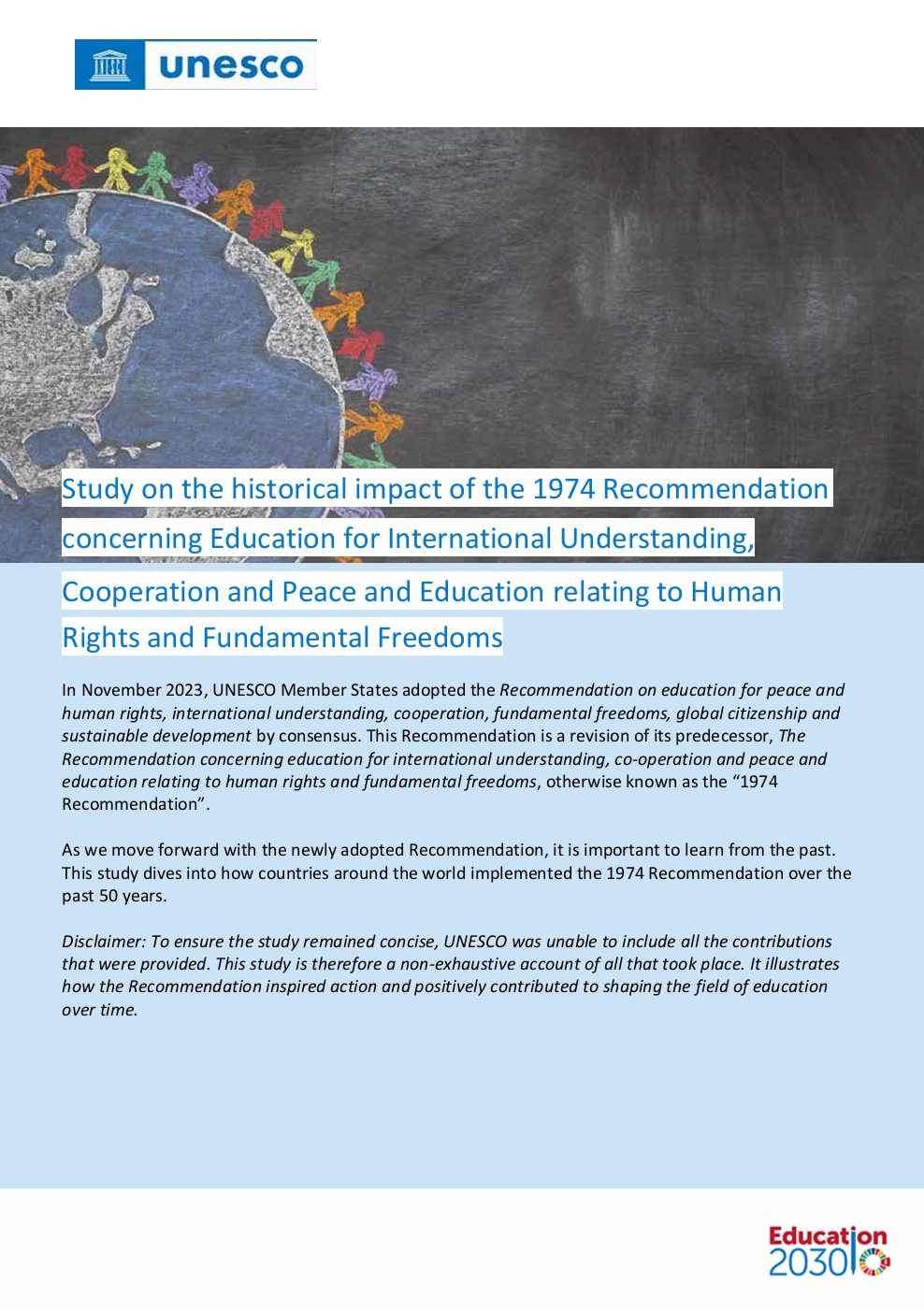 Study on the Historical Impact of the 1974 Recommendation concerning Education for International Understanding, Cooperation and Peace and Education relating to Human Rights and Fundamental Freedoms
 -
 IIEP-UNESCO 12th Medium-Term Strategy: 2026–2029
 -
 More than Welcome: Intercultural Integration of Migrants in and Through Higher Education
 -
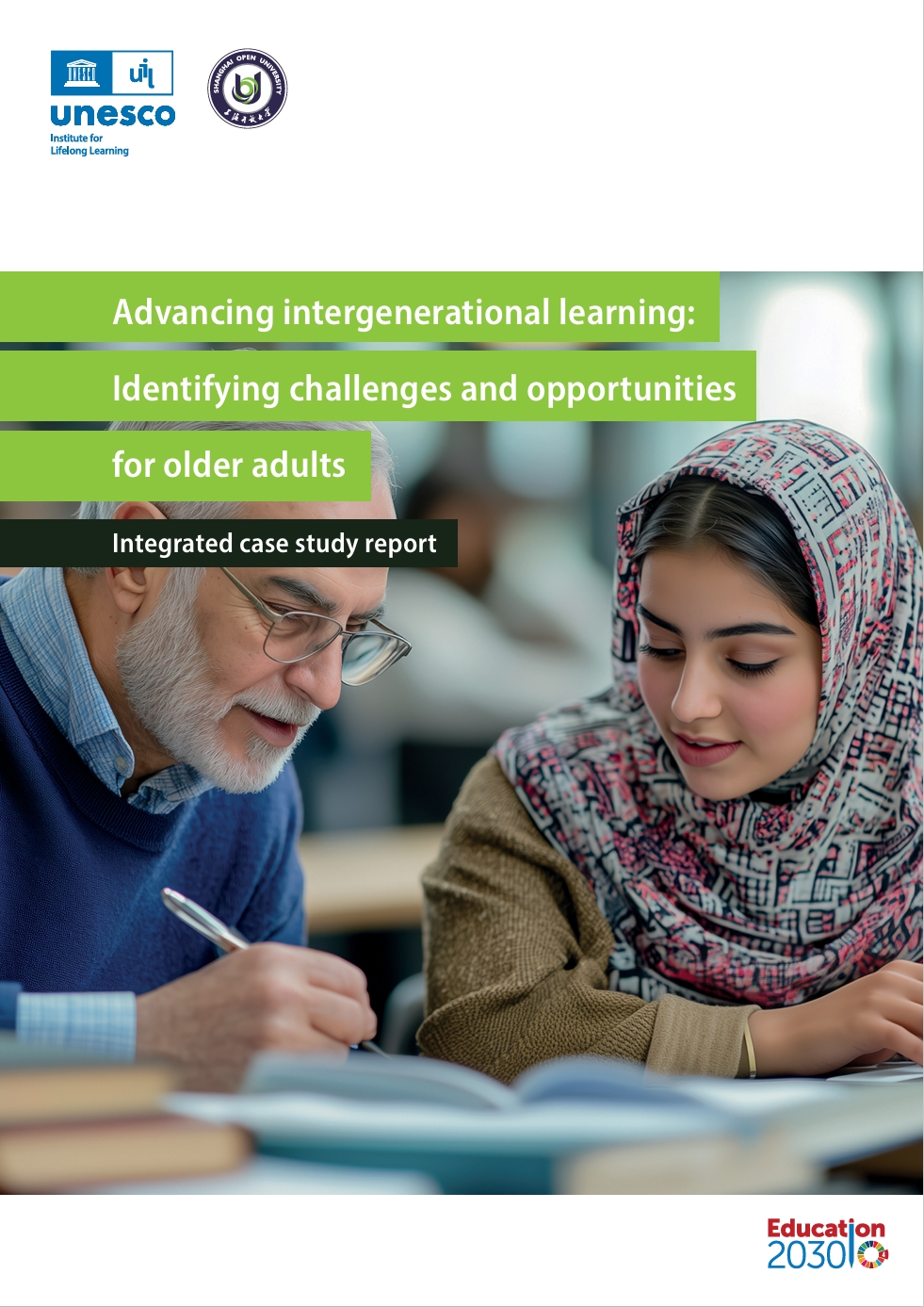 Advancing Intergenerational Learning: Identifying Challenges and Opportunities for Older Adults; Integrated Case Study Report