
Digital Learning for Every Child: Closing the Gaps for an Inclusive and Prosperous Future
- Autor
- Matt BrossardMarta CarnelliStephane ChaudronRosanna Di-GioiaThomas DreesenDaniel Kardefelt-WintherCéline LittleJean Luc Yameogo
- Autor Corporativo
- United Nations Children's Fund (UNICEF)
- Colección
- 20 p.
- Idioma del recurso
- inglés
- Año de publicación
- 2021
- Tema
- Diversidad / Alfabetización cultural / InclusiónGlobalización y justicia social / Comprensión internacionalDesarrollo sostenible / SostenibilidadOtros
- Tipo de Recurso
- International normative instruments / policy and advocacy documentsResearch papers / journal articles
- Nivel de Educación
- Atención y Educación de Primera InfanciaEducación primariaEducación secundariaEducación no formal
- Región
- Global
- Lugar de publicación
- New York
Pre-COVID-19, half of the world’s children were already unable to read a simple text by the age of 10. School closures have deepened pre-existing learning disparities, within and among countries, due to inequities in access to technology. This brief summarises research findings and provides actionable recommendations for how to equitably scale up digital learning and provide children and young people with the skills to improve their prospects and safeguard their well-being. It pinpoints solutions for education systems’ use of digital and blended learning anchored in a sound pedagogical approach and urges the G20 and other countries to overcome the barriers that limit the potential benefits of digital learning.
Recursos Relacionados
-
 Study on the Historical Impact of the 1974 Recommendation concerning Education for International Understanding, Cooperation and Peace and Education relating to Human Rights and Fundamental Freedoms
 -
 IIEP-UNESCO 12th Medium-Term Strategy: 2026–2029
 -
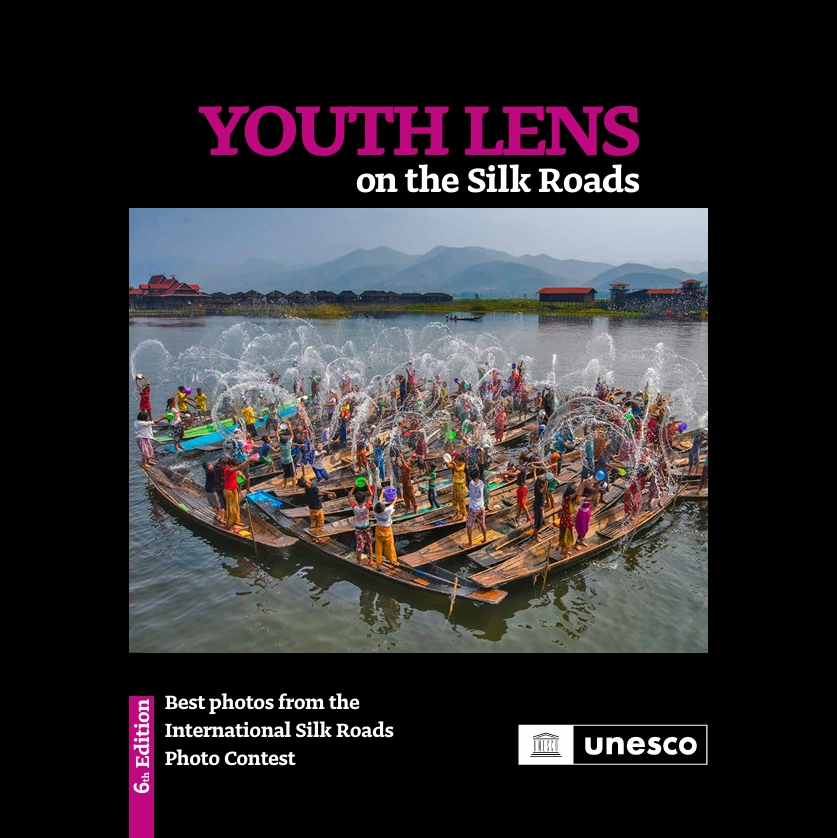 Youth Lens on the Silk Roads: Best Photos from the International Silk Roads Photo Contest; 6th Edition
 -
 More than Welcome: Intercultural Integration of Migrants in and Through Higher Education