
COVID-19: How to Include Marginalized and Vulnerable People in Risk Communication and Community Engagement
- Autor Corporativo
- United Nations Entity for Gender Equality and the Empowerment of Women (UN Women)Regional Risk Communication and Community Engagement (RCCE)
- Colección
- 12 p.
- Idioma del recurso
- inglés
- Año de publicación
- 2020
- Palabra Clave
- Igualdad de géneroWomen empowermentRefugees and migrants
- Tema
- Diversidad / Alfabetización cultural / InclusiónDerechos humanosDesarrollo sostenible / Sostenibilidad
- Tipo de Recurso
- Planes de estudios, material didáctico y guías
- Nivel de Educación
- Otros
- Región
- Asia y el PacíficoGlobal
- Lugar de publicación
- New York
Women, the elderly, adolescents, youth, and children, persons with disabilities, indigenous populations, refugees, migrants, and minorities experience the highest degree of socio-economic marginalization. Marginalized people become even more vulnerable in emergencies. This is due to factors such as their lack of access to effective surveillance and early-warning systems, and health services. The COVID-19 outbreak is predicted to have significant impacts on various sectors. The development of this guide was led by UN Women and Translators without Borders on behalf of the Risk Communication and Community Engagement Working Group on COVID-19 Preparedness and Response in Asia and the Pacific, co-chaired by WHO, IFRC and OCHA.
Recursos Relacionados
-
 IIEP-UNESCO 12th Medium-Term Strategy: 2026–2029
 -
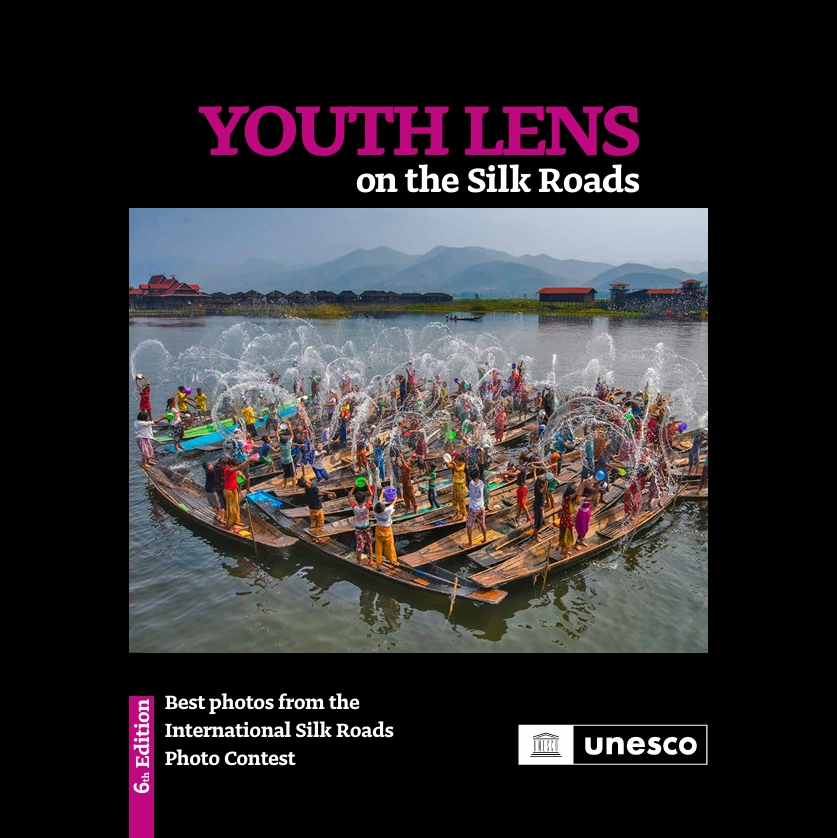 Youth Lens on the Silk Roads: Best Photos from the International Silk Roads Photo Contest; 6th Edition
 -
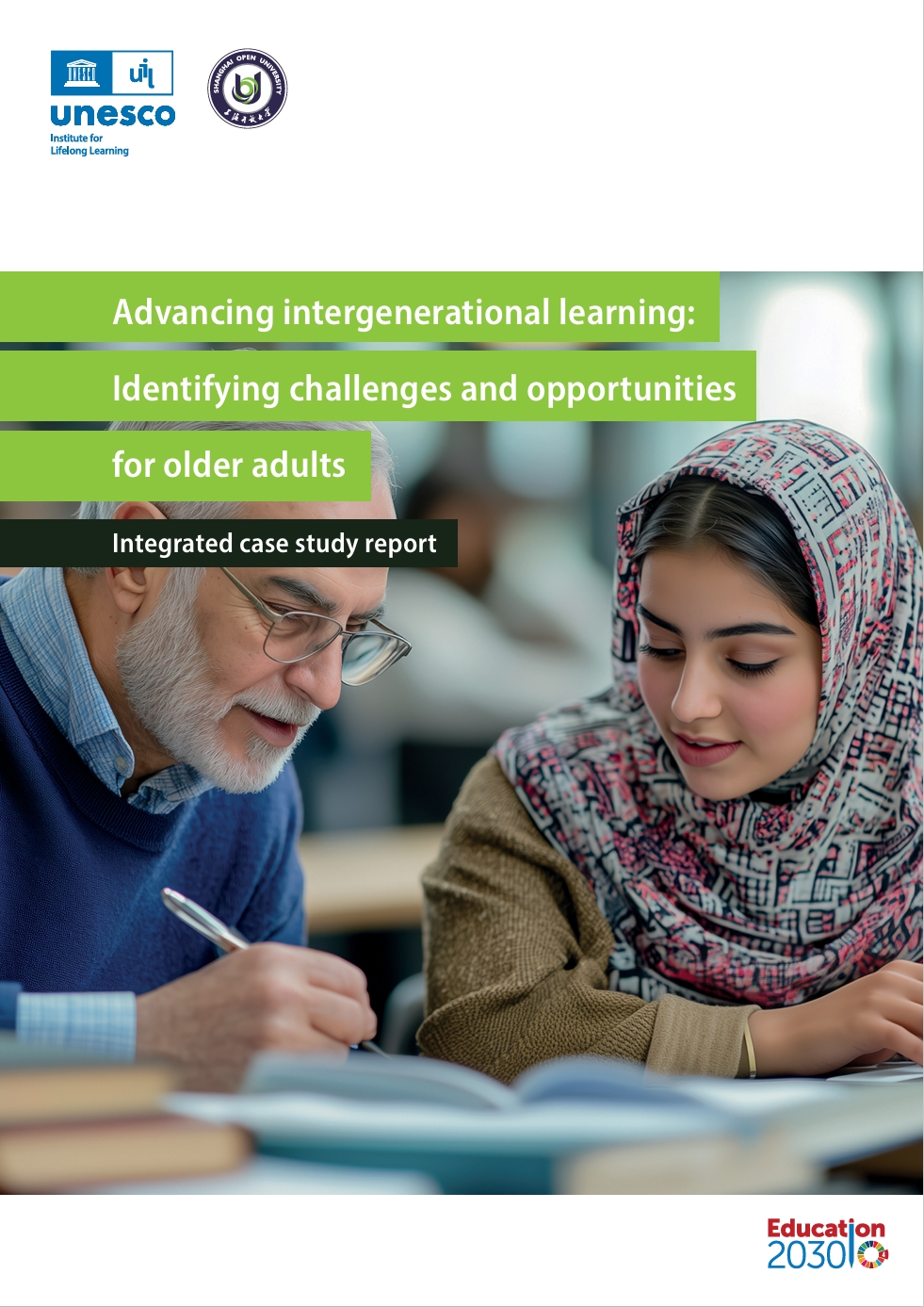 Advancing Intergenerational Learning: Identifying Challenges and Opportunities for Older Adults; Integrated Case Study Report
 -
 Digital Empowerment for Lifelong Learning and Transformative Andragogy (DELTA) for Adult Educators: Introduction to the DELTA Framework and Resources