
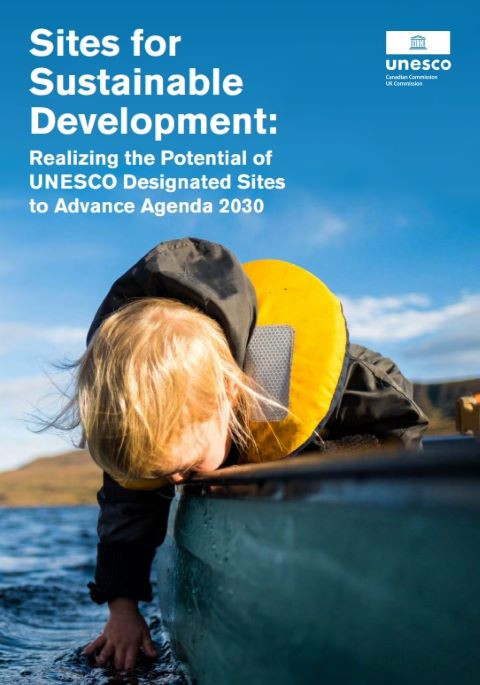
Sites for Sustainable Development: Realizing the Potential of UNESCO Designated Sites to Advance Agenda 2030
- Auteur institutionnel
- Commission canadienne pour l’UNESCOUnited Kingdom National Commission for UNESCO
- ISBN
- ISBN 978-0-904608-09-0
- Collation
- 100 p.
- Langue de la ressource
- Anglais
- Année de publication
- 2022
- Thème
- Mondialisation et justice sociale / Compréhension internationaleDéveloppement durable / Durabilité
- Type de ressource
- Research papers / journal articles
- Niveau d’éducation
- Enseignement supérieurApprentissage tout au long de la vie
- Région
- Europe et Amérique du Nord
- Lieu de publication
- Ottawa
This report outlines the role that UNESCO’s global network of designated sites — World Heritage Sites, global geoparks and biosphere reserves — can play in helping stakeholders (including businesses, communities, government agencies and their local organizations, Indigenous Peoples, traditional authorities, councils of elected representatives, and heritage and nature groups) carry out sustainable development approaches to tackle, mitigate and adapt to challenges like these.
The ideas contained in this report emerge from a study designed to explore the merits of UNESCO’s increasing tendency to refer to biosphere reserves, global geoparks and World Heritage Sites as “sites for sustainable development.”
Ressources associées
-
 IIEP-UNESCO 12th Medium-Term Strategy: 2026–2029
 -
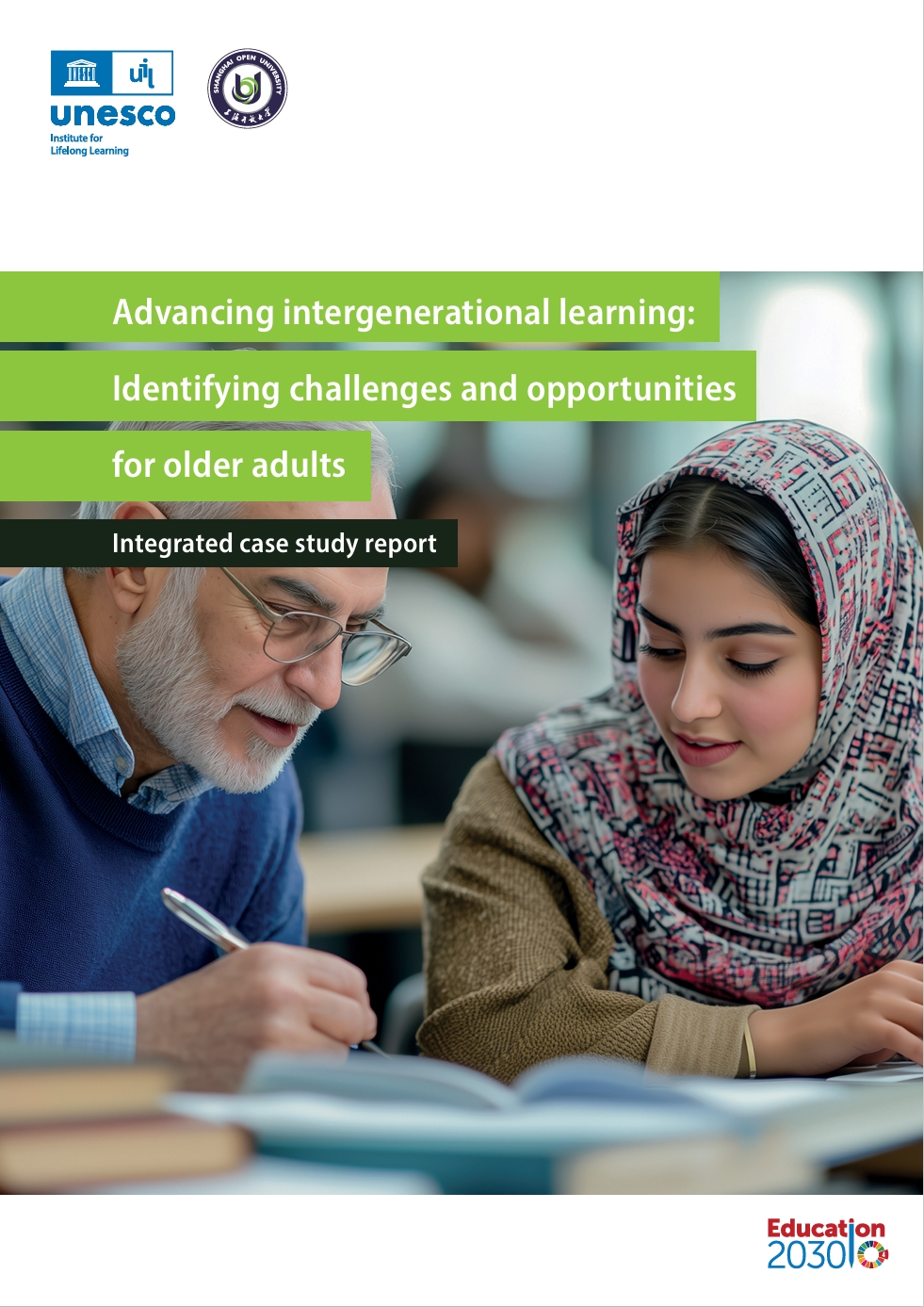 Advancing Intergenerational Learning: Identifying Challenges and Opportunities for Older Adults; Integrated Case Study Report
 -
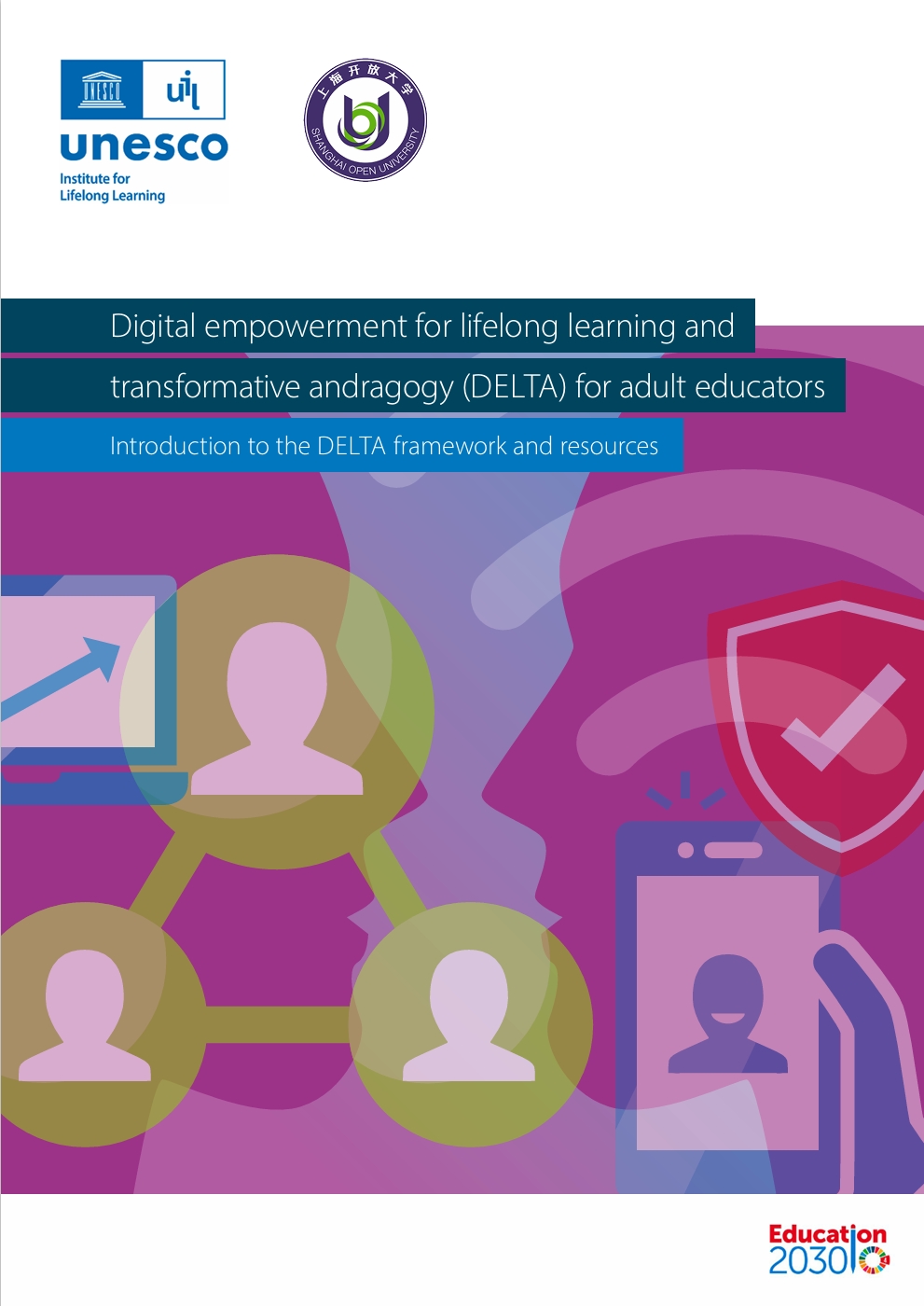 Digital Empowerment for Lifelong Learning and Transformative Andragogy (DELTA) for Adult Educators: Introduction to the DELTA Framework and Resources
 -
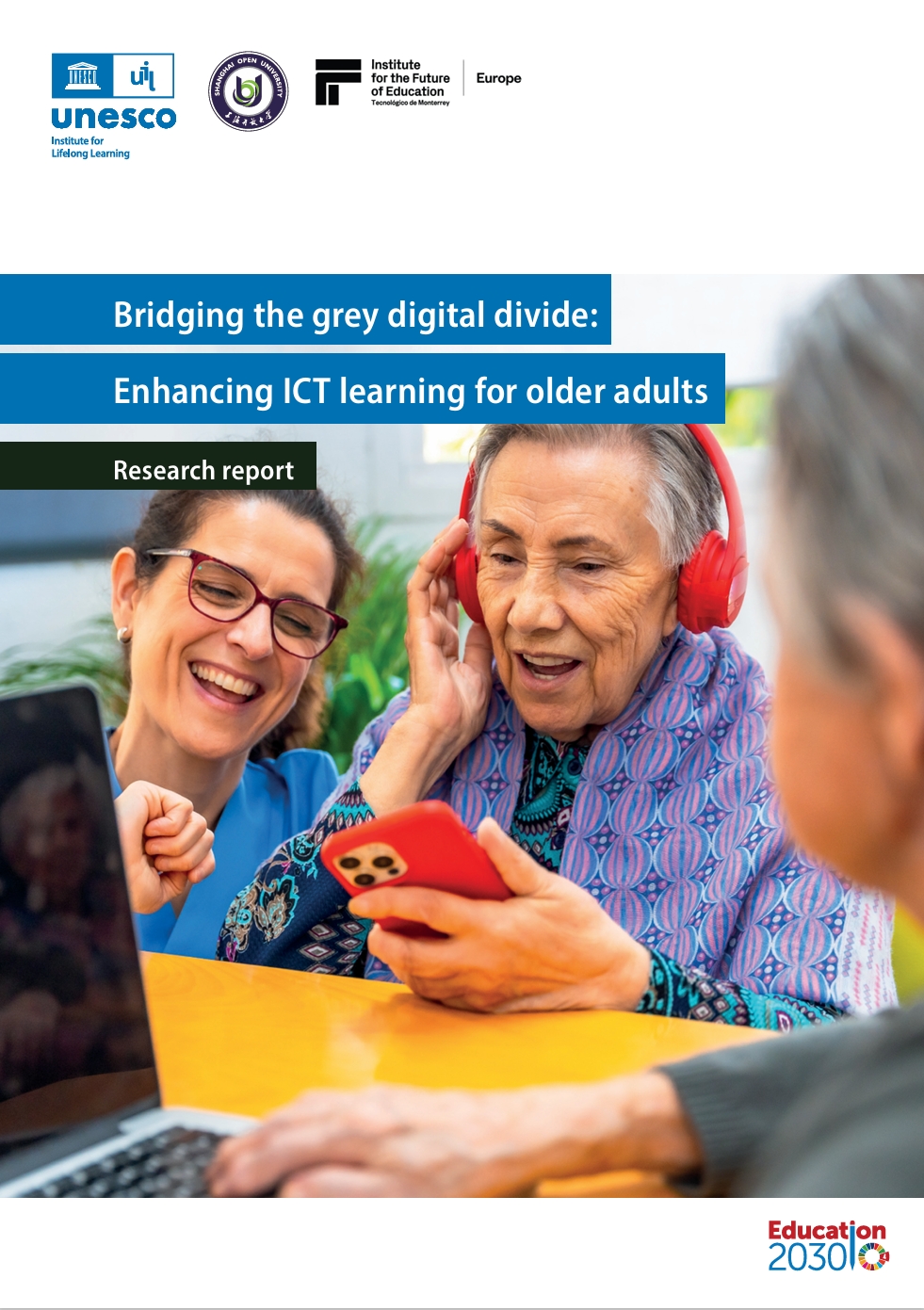 Bridging the Grey Digital Divide: Enhancing ICT Learning for Older Adults; Research Report