
Survey on Privacy in Media and Information Literacy with Youth Perspectives
- Auteur institutionnel
- Organisation des Nations Unies pour l'éducation, la science et la culture (UNESCO)
- ISBN
- ISBN 978-92-3-100236-6
- Collation
- 121 p.
- Langue de la ressource
- Anglais
- Année de publication
- 2017
- Thème
- Civisme / Citoyenneté / DémocratieDroits de l'hommeMondialisation et justice sociale / Compréhension internationaleDéveloppement durable / Durabilité
- Type de ressource
- Research papers / journal articles
- Niveau d’éducation
- Enseignement primaireEnseignement secondaireEnseignement supérieurApprentissage tout au long de la vieÉducation non formelle
- Région
- Global
- Lieu de publication
- Paris
Media and information literate individuals are more empowered to make informed decisions about their privacy online and offline, among other things. Accordingly, governments and policy-makers who are committed to ensuring that the privacy of citizens is respected should also be committed to media and information literacy (MIL) for all. If they are not, then their efforts will be less sustainable. Equally, private and public enterprises that genuinely want to respect the privacy of citizens should purposefully contribute to MIL awareness among users qua citizens.
Two research surveys are referenced in this report. The first investigated youth attitudes towards MIL and social and democratic discourses. One of the seven themes addressed in the context of social and democratic discourses was privacy. The research was carried out by UNESCO.
The second survey studied privacy in MIL courses globally and was conducted for UNESCO by the UNESCO-UNAOC University Network on Media and Information Literacy and Intercultural dialogue (MILID Network), and members of the Global Alliance for Partnerships in Media and Information Literacy (GAPMIL).
The report responds to UNESCO’s efforts to stimulate global research into privacy in MIL. Ultimately, this report aims to provide conceptual, development and policy recommendations to foster privacy in MIL, while enabling the critical engagement of people, including young women and men, in an environment conducive to sustainable development and to freedom of expression online and offline. It seeks to provide clarity on the complex issue of how MIL and privacy intersect.
Ressources associées
-
 IIEP-UNESCO 12th Medium-Term Strategy: 2026–2029
 -
 Advancing Intergenerational Learning: Identifying Challenges and Opportunities for Older Adults; Integrated Case Study Report
 -
 Digital Empowerment for Lifelong Learning and Transformative Andragogy (DELTA) for Adult Educators: Introduction to the DELTA Framework and Resources
 -
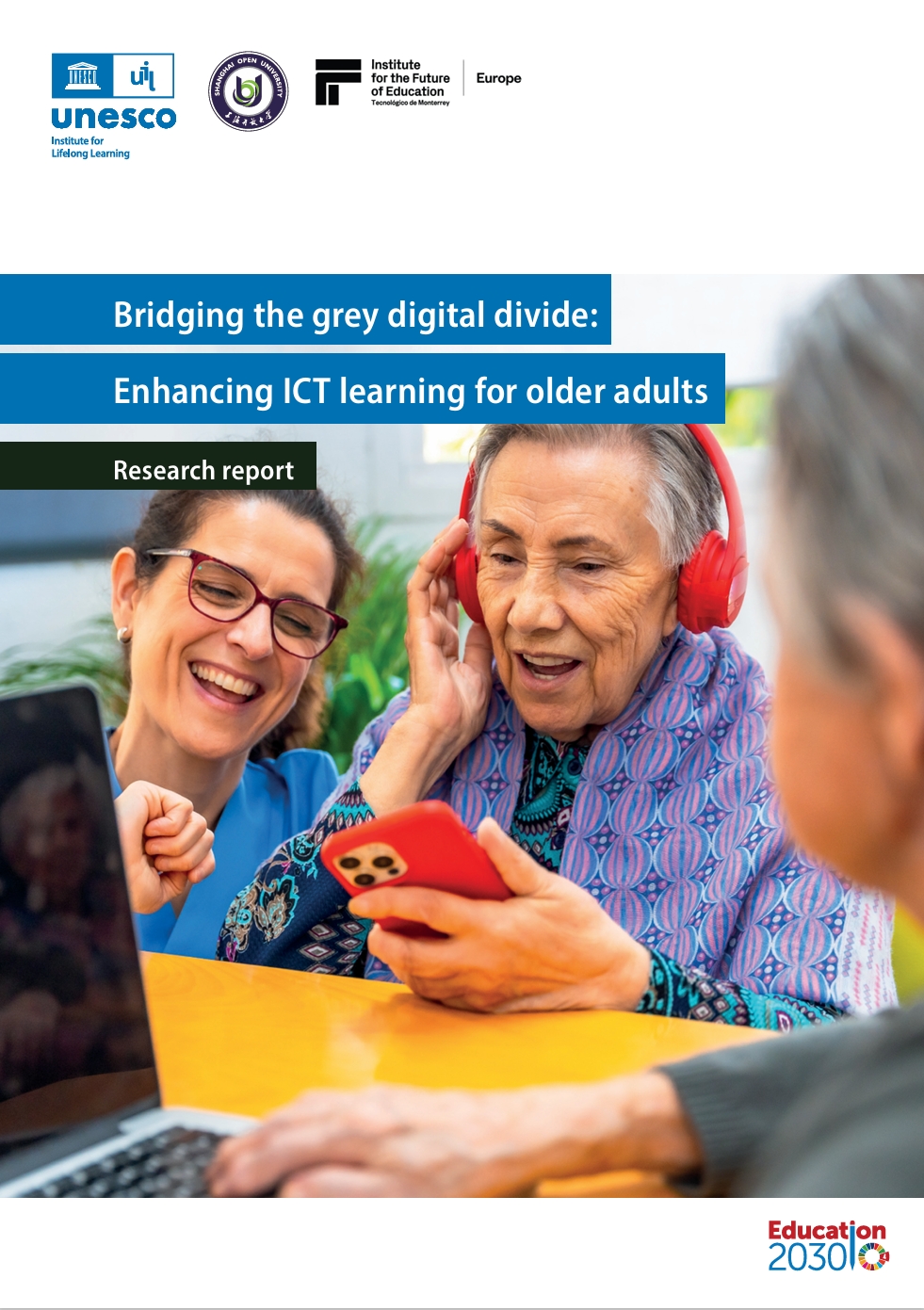 Bridging the Grey Digital Divide: Enhancing ICT Learning for Older Adults; Research Report