
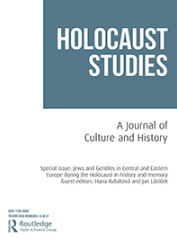
Does the Singularity of the Holocaust make it Incomparable and Inoperative for Commemorating, Studying and Preventing Genocide? Britain’s Holocaust Memorial Day as a Case Study
- Niveau d’éducation
- Enseignement primaireEnseignement secondaire
This article is a response to the controversy surrounding the first national Holocaust Memorial Day in Britain, held on 27 January 2001. The discussion is centred on the British experience, but it is intended to have a wider resonance and relevance. It begins by summarizing the aims of Holocaust Memorial Day and then looks at some of the significant interventions in the nationwide debate about it. Much of the discussion was informed by the work of the American historian Peter Novick, so the article examines his influential argument about Holocaust commemoration and education. It concludes with an attempt to answer the question set out in the title, showing briefly that researching and teaching about the Holocaust as well as the work of remembrance and memorialization are crucial to commemorating, studying and preventing genocide. (By the author)
Ressources associées
-
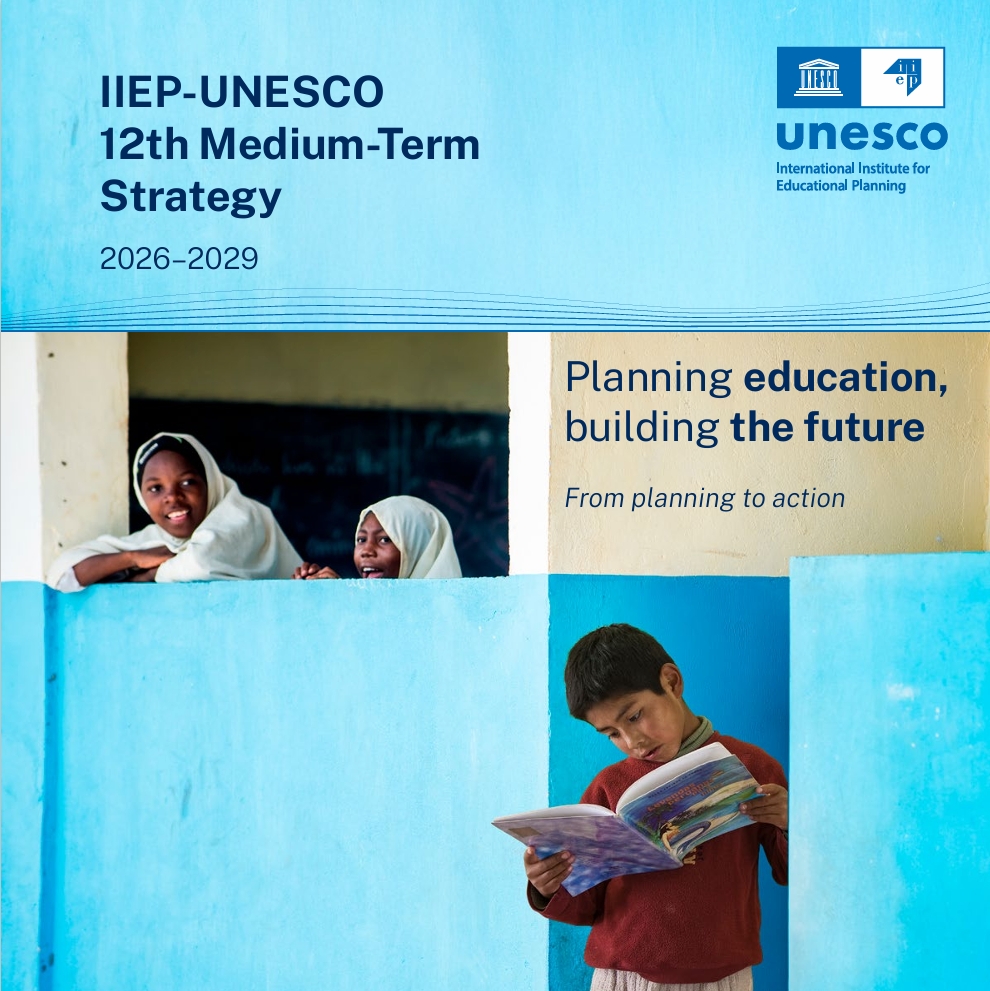 IIEP-UNESCO 12th Medium-Term Strategy: 2026–2029
 -
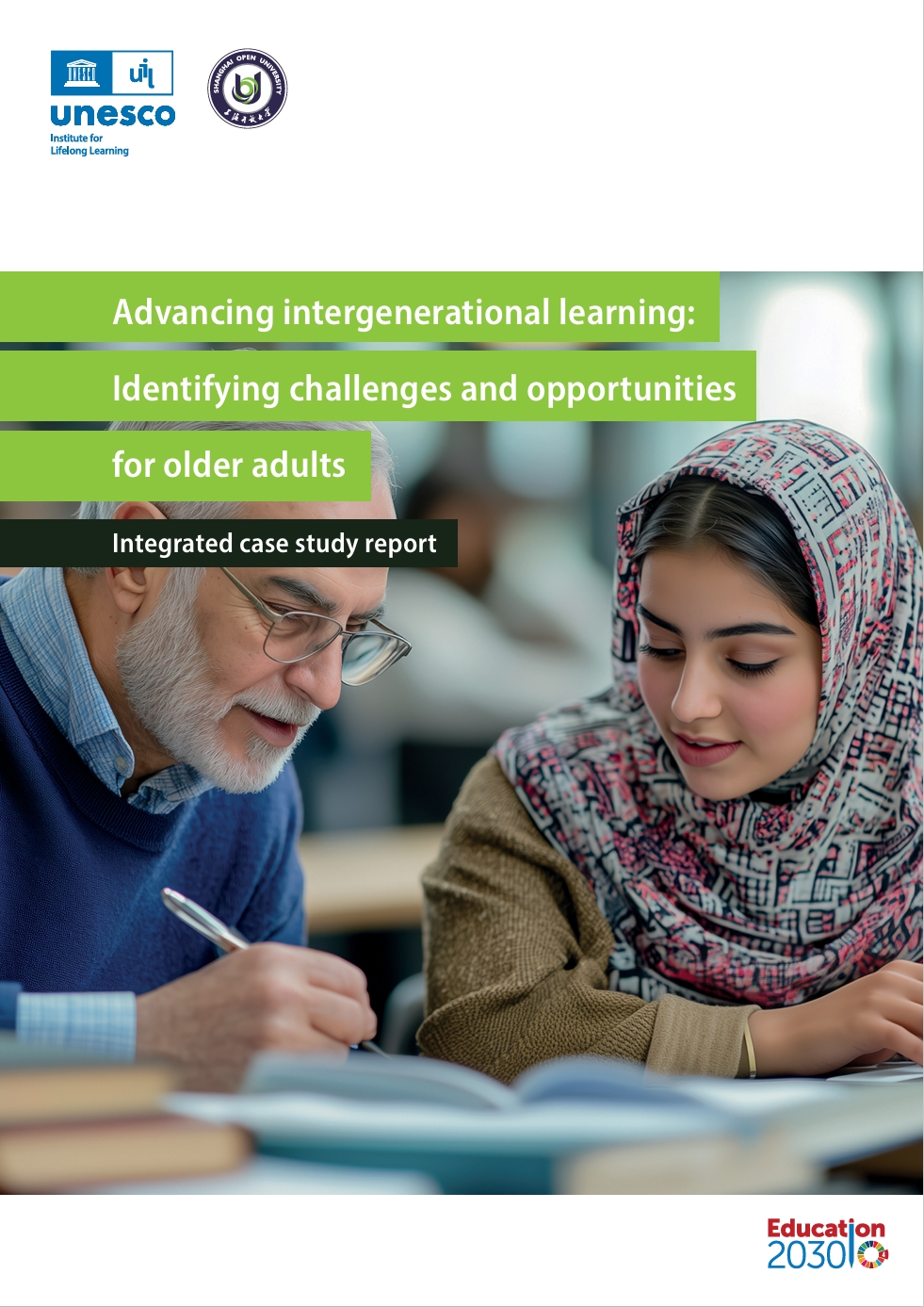 Advancing Intergenerational Learning: Identifying Challenges and Opportunities for Older Adults; Integrated Case Study Report
 -
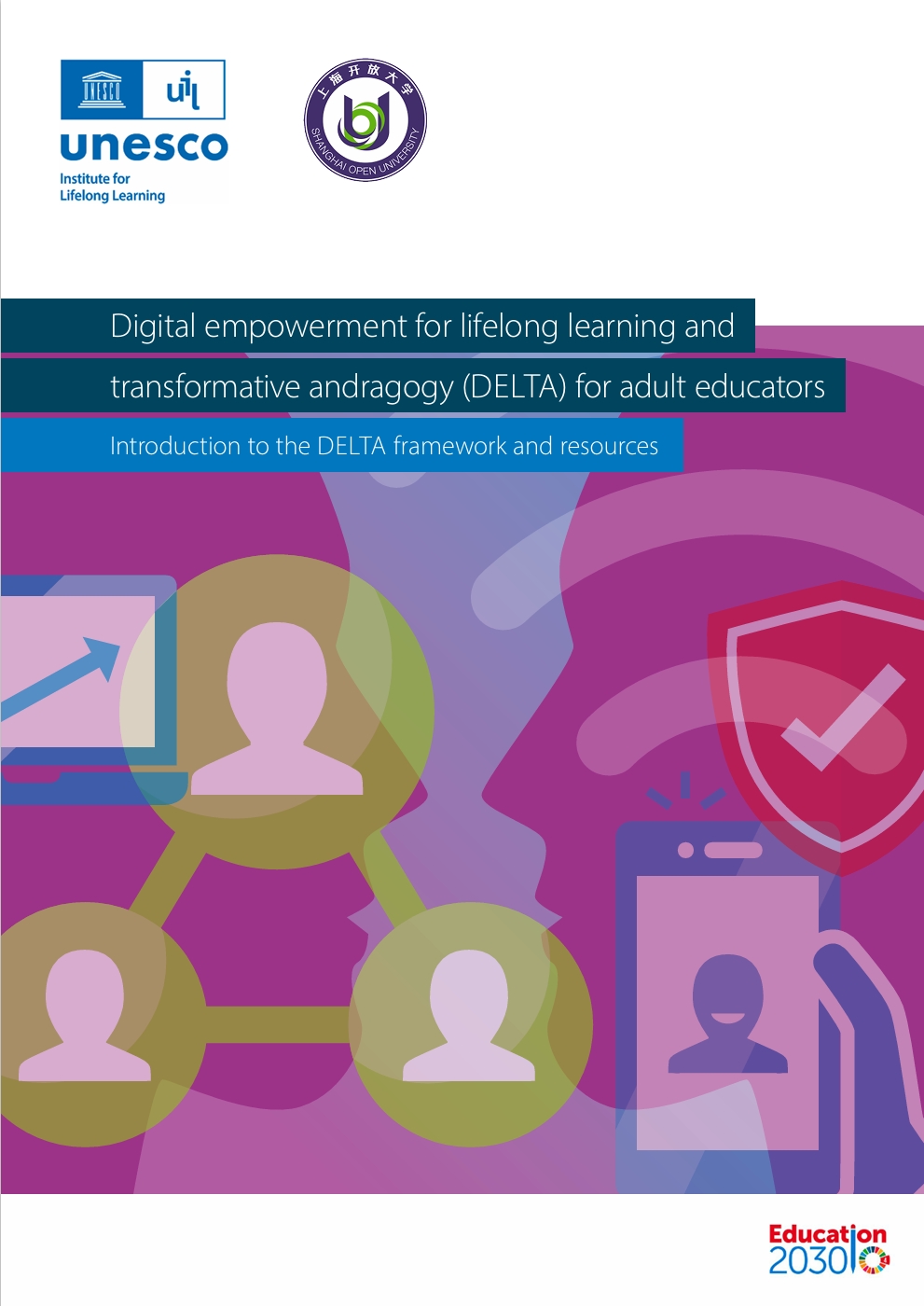 Digital Empowerment for Lifelong Learning and Transformative Andragogy (DELTA) for Adult Educators: Introduction to the DELTA Framework and Resources
 -
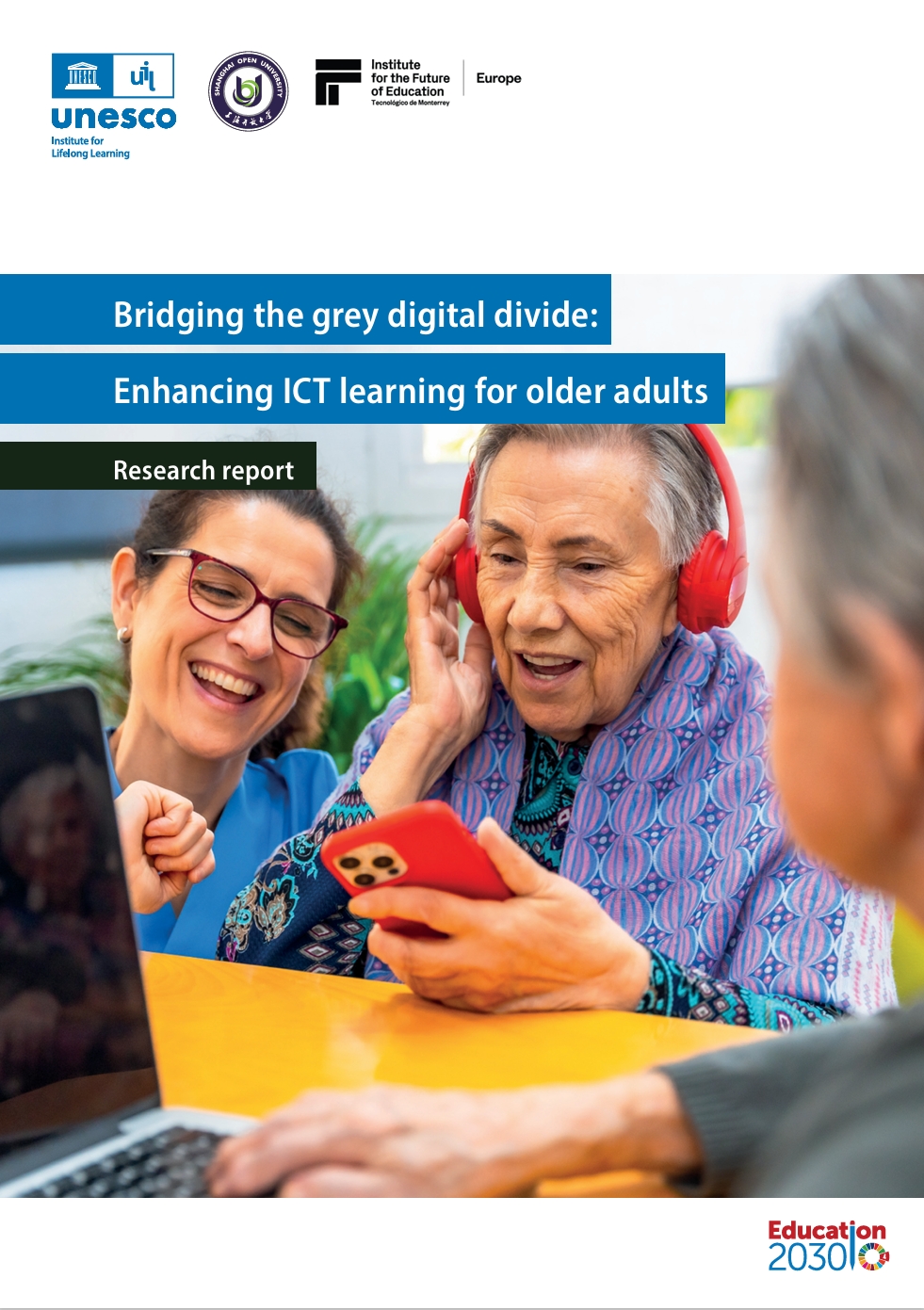 Bridging the Grey Digital Divide: Enhancing ICT Learning for Older Adults; Research Report