
Adult Media Literacy in Australia: Attitudes, Experiences and Needs
- Auteur institutionnel
- Western Sydney UniversityQueensland University of TechnologyUniversity of Canberra
- Collation
- 81 p.
- Langue de la ressource
- Anglais
- Année de publication
- 2021
- Thème
- Civisme / Citoyenneté / DémocratieÉducation aux médias et à l'information / Citoyenneté numérique
- Type de ressource
- Research papers / journal articles
- Niveau d’éducation
- Enseignement supérieurApprentissage tout au long de la vieÉducation non formelleAutres
- Région
- Asie et Pacifique
- Lieu de publication
- Sydney
This report is based on a survey of 3,510 adult Australians to understand the different types of media they use, the value they place on different media activities, their confidence in their own media abilities and their access to media literacy support. The survey was designed with input from diverse voices in the media literacy field including researchers, media producers, policymakers, government agencies, educators and public cultural institutions. The findings show that most Australians use several different types of media each day, they believe a diverse range of media activities are important in their lives, but their confidence in their own media abilities is unexpectedly low. The findings demonstrate that if we accept that media is integral to all aspects of our lives, far more needs to be done to address the needs of groups who are the least confident about their media abilities and who have access to the least support. The findings also show that increasing media literacy can yield direct benefits for increasing people’s civic engagement.
Ressources associées
-
 IIEP-UNESCO 12th Medium-Term Strategy: 2026–2029
 -
 Advancing Intergenerational Learning: Identifying Challenges and Opportunities for Older Adults; Integrated Case Study Report
 -
 Digital Empowerment for Lifelong Learning and Transformative Andragogy (DELTA) for Adult Educators: Introduction to the DELTA Framework and Resources
 -
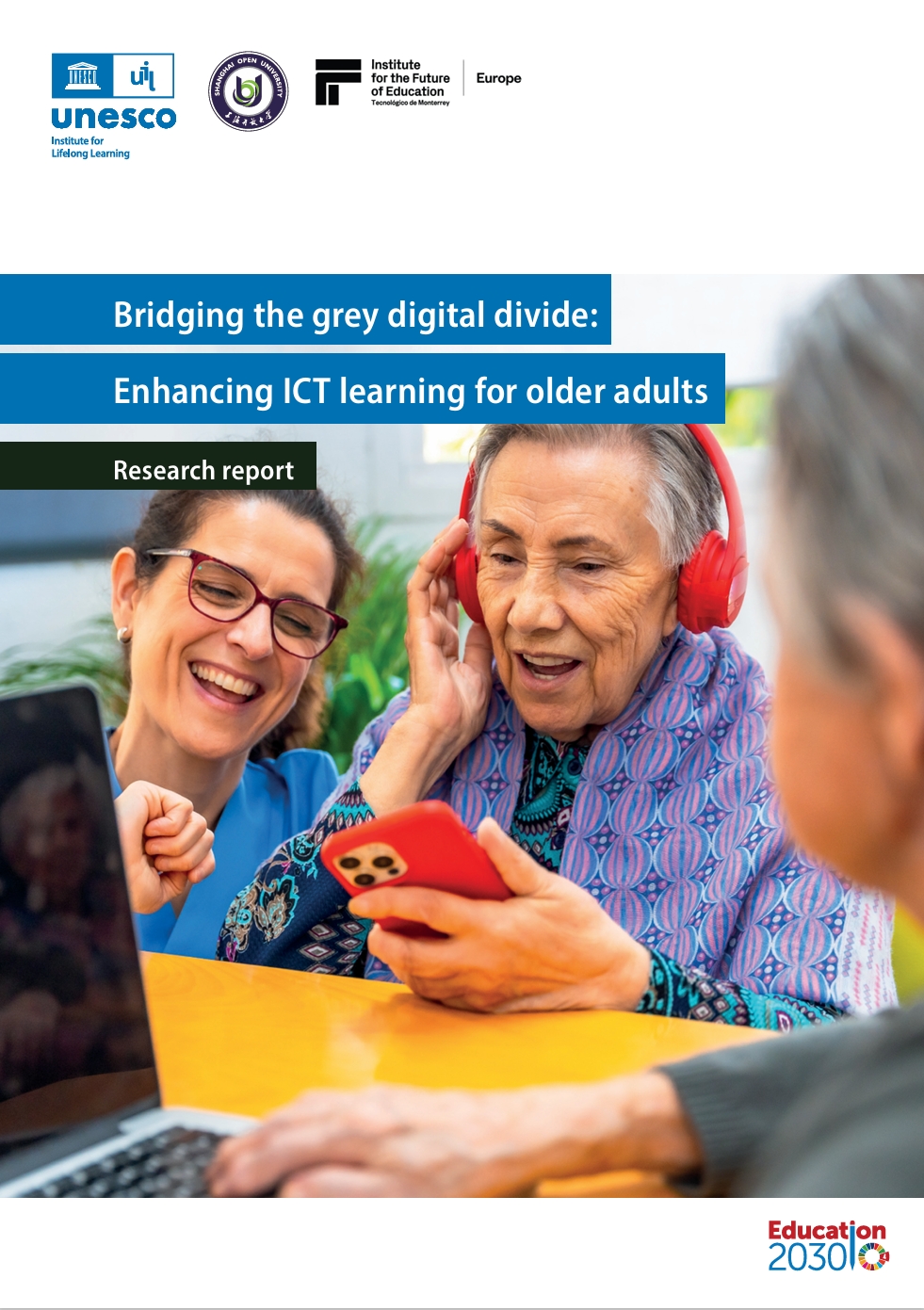 Bridging the Grey Digital Divide: Enhancing ICT Learning for Older Adults; Research Report