
Ressources
Explorez une large gamme de ressources sur le GCED afin d’approfondir votre compréhension et de renforcer vos activités de recherche, de plaidoyer, d’enseignement et d’apprentissage.
237 résultats trouvés
 파리협정 함께 보기 Année de publication: 2022 Auteur institutionnel: 대한민국 환경부 기후변화국제협력팀 | 한국환경공단 기후정책지원부 이 책자는 ‘파리협정(Paris Agreement)’에 대한 우리 국민의 이해를 높이고, 모든 사회 주체가 함께하는 파리협정 이행 체계를 조성하는데 도움이 되고자 제작되었습니다.이 책자는 환경부와 한국환경공단이 공동으로 발간한 「파리협정 길라잡이(’16.5)」와 「파리협정 이행규칙 안내서(’19.6)」를 통합·개정·증보한 것으로, 기존 발간 자료는 환경부 누리집(me.go.kr)>발행물>환경책자>알기쉬운 소책자에서 받아볼 수 있습니다. 발행처: 환경부 기후변화국제협력팀 (044-201-6601)발행일: 2022.3.31
  환경 시민과 함께하는 2022 대한민국 환경교육 Année de publication: 2022 Auteur institutionnel: 대한민국 환경부 이 발행물은 국민들에게 환경교육 정책과 사업을 알리고 정책의 발전을 함께 고민하고자 하는 목적으로 발행한 홍보물로 대한민국 환경교육 현황과 주요 국가의 초·중·고등학교와 일반인을 대상으로 하는 환경교육 사업을 조사하여 설명하고 있습니다.
 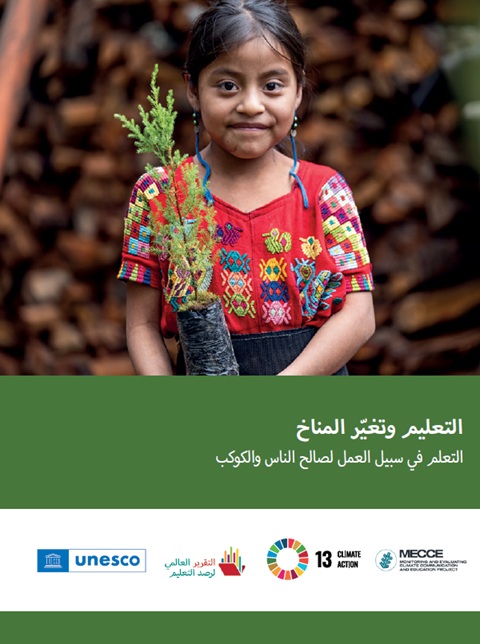 التعلّم من أجل العمل لصالح الناس والكوكب: التعليم وتغيّر المناخ Année de publication: 2024 Auteur institutionnel: Global Education Monitoring Report Team | Monitoring and Evaluating Climate Communication and Education Project (MECCE) | University of Sakatchewan ملخص مختصركيف يفضي التعليم إلى اتخاذ إجراءات بشأن تغيّر المناخ؟مع أن هنالك بيّنات دامغة على تأثير التعليم في سائر النتائج في مجال التنمية، وعلى الدور الذي يؤديه التعليم في تنمية القدرات المهنية اللازمة لعمليات الانتقال إلى التنمية المستدامة، فإن التعليم عادةً ما يكون غائباً عن اعتبارات سائر القطاعات عند اضطلاعها بوضع الاستراتيجيات والسياسات والتخطيط والتمويل. ولذا، استحدث التقرير العالمي لرصد التعليم سلسلة جديدة من المنشورات سعياً إلى تعزيز الحوار بشأن العلاقة المتبادلة بين التعليم وسائر أهداف التنمية المستدامة.وتتمحور الوثيقة الأولى في هذه السلسلة حول تغيّر المناخ. وتستعرض في مستهلها تنامي عواقب تغيّر المناخ على التعليم، ثم تتناول دور التعليم في العمل المناخي. وتبيّن الوثيقة أن مساهمة التعليم في تنمية القدرات المهنية اللازمة للانتقال إلى الاقتصاد المراعي للبيئة (الأخضر) لا تنال حقّ قدرها من التقدير. وهنالك قناعة شائعة أيضاً بأن التعليم، سواء النظامي أو غير النظامي أو غير الرسمي، يؤدي دوراً حاسماً في الحفز على اتخاذ الإجراءات الرامية إلى الحد من وطأة عواقب تغيّر المناخ والتكيف معها.بيد أن العلاقة الطردية بين التحصيل العلمي ومستويات الاستهلاك غير المستدام، فضلاً عن عدم توصل البحوث بشأن التأثير المباشر للتعليم في إجراءات التكيف مع عواقب تغيّر المناخ والحد من وطأتها إلى نتائج قاطعة، ساهما مساهمة جزئية في وضع مجال التعليم في أسفل سلم أولويات الخطط العالمية والوطنية المتعلقة بتغيّر المناخ.وتدّعي هذه الوثيقة ضرورة تكييف التعليم بشأن تغيّر المناخ لكي يتسنى تحقيق الإمكانيات الكامنة فيه. فلا يمكن أن يقتصر النموذج التربوي على نقل المعارف، بل لا بد له من التركيز أيضاً على التعلم الاجتماعي والعاطفي والعمل المنحى.وقد تمحور العديد من البحوث حول تأثير التحصيل العلمي والتعلم المعرفي. ولذا من الضروري إجراء المزيد من البحوث لتقييم سائر العوامل الحفازة التي يمكن للتعليم التأثير من خلالها في أنماط السلوك والحفز على اتخاذ إجراءات بشأن تغيّر المناخ. وتعدّ هذه البحوث ضرورية أيضاً من أجل إعداد برامج إصلاح قابلة للتطبيق في مجال التعليم تفضي إلى تحسين المناهج الدراسية، وتعزيز تأهب المدارس ونظم التعليم للتصدي لعواقب تغيّر المناخ، وإشراك المتعلمين، وإعداد المعلمين بما يتلاءم مع ذلك.
 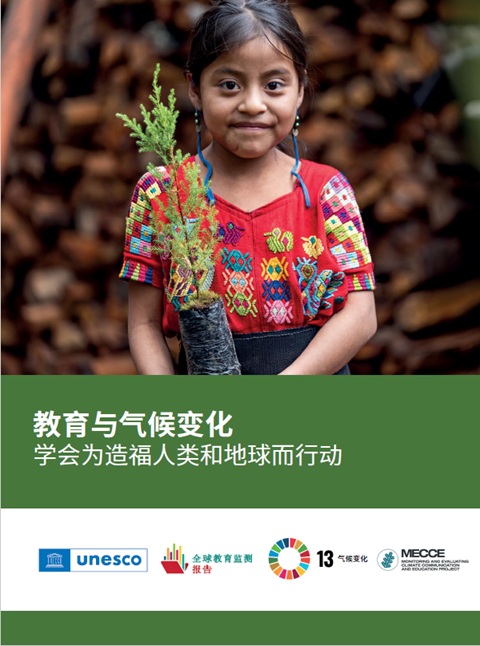 教育与气候变化 学会为造福人类和地球而行动 Année de publication: 2024 Auteur institutionnel: Global Education Monitoring Report Team | Monitoring and Evaluating Climate Communication and Education Project (MECCE) | University of Sakatchewan 教育如何促成气候变化行动?尽管有强有力的证据表明教育可以影响其他发展成果,并在培养促进可持续发展转型的专业能力方面发挥着重要作用,但在其他部门的战略、政策、规划和筹资考量中,却常常看不到教育的踪影。《全球教育监测报告》现推出一个新的出版物系列,以推动关于教育与其他可持续发展目标之间相互关系的对话。该系列的第一份出版物聚焦气候变化。其中首先分析了气候变化对教育日渐增强的影响,随后探讨了教育在气候行动中的作用。教育在培养促进向绿色经济转型的专业能力方面的贡献,在某种程度上未得到充分重视。人们普遍认为,正规、非正规和非正式学习在推动采取减缓和适应气候变化的行动方面也发挥着关键作用。然而,由于受教育程度与不可持续的消费水平之间存在正相关关系,而且关于教育对气候变化适应和减缓行动的直接影响方面的许多研究尚无定论,这在一定程度上导致教育在全球和国家气候变化议程中不受重视。本出版物认为,需要对气候变化教育作出调整,以充分发挥其潜力。教育模式不能仅仅依靠知识传授,还需要注重社会情感和行动导向学习。大部分研究都侧重于受教育程度和认知学习的影响。因此,需要开展更多研究,以评估教育还可以借由哪些其他驱动因素来影响行为并推动气候变化行动。需要借助此类研究来制定可行的教育改革方案,以完善课程设置,加强学校和教育系统的气候行动准备工作,让学习者参与进来,并使教育工作者做好相应的准备。
 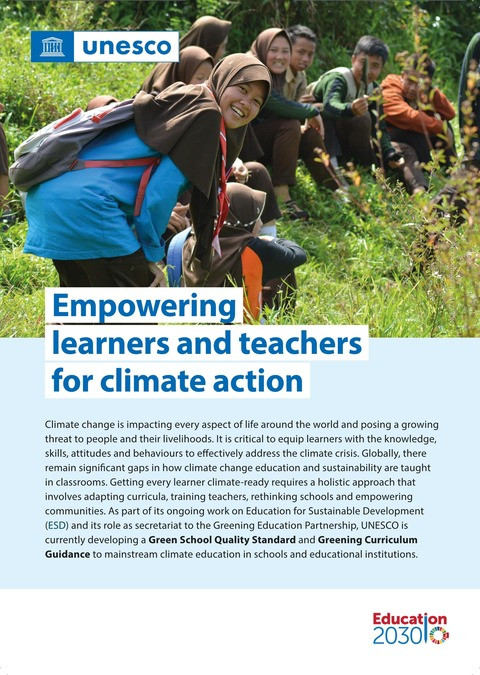 Empowering Learners and Teachers for Climate Action Année de publication: 2023 Auteur institutionnel: UNESCO Climate change is impacting every aspect of life around the world and posing a growing threat to people and their livelihoods. It is critical to equip learners with the knowledge, skills, attitudes and behaviours to effectively address the climate crisis. Globally, there remain significant gaps in how climate change education and sustainability are taught in classrooms. Getting every learner climate-ready requires a holistic approach that involves adapting curricula, training teachers, rethinking schools and empowering communities. As part of its ongoing work on Education for Sustainable Development (ESD) and its role as secretariat to the Greening Education Partnership, UNESCO is currently developing a Green School Quality Standard and Greening Curriculum Guidance to mainstream climate education in schools and educational institutions.
 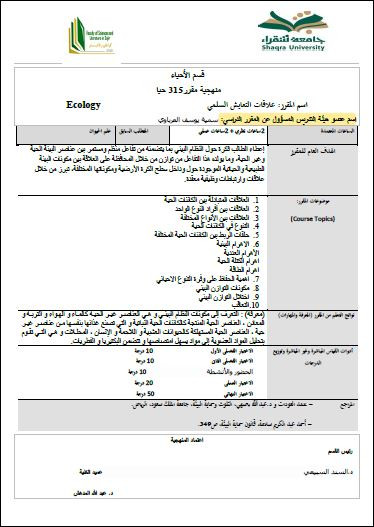 مقرر جامعي: علاقات التعايش السلمي Année de publication: 2021 Auteur: Somaya Youssef Al-Arabawy Auteur institutionnel: Shaqra University الهدف هو اعطاء الطالب فكرة حول النظام البيئي بما يتضمنه من تفاعل منظم ومستمر بين عناصر البيئة الحية وغير الحية، وما يولده هذا التفاعل من توازن من خلال المحافظة على العلاقة بين مكونات البيئة الطبيعية والحياتية الموجودة حول وداخل سطح الكرة الأرضية ومكوناتها المختلفة، تبرز من خلال علاقات وارتباطات وظيفية معقدة. University Course: Relationships of Peaceful Coexistence Année de publication: 2021 Auteur: Somaya Youssef Al-Arabawy Auteur institutionnel: Shaqra University The goal is to give the student an idea about the ecosystem, including the organized and continuous interaction between the elements of the living and non-living environment, and the balance this interaction generates by maintaining the relationship between the components of the natural and living environment around and within the surface of the globe and its various components, which are highlighted through the relationships and complex functional connections.
  مواجهة أسباب وتداعيات التغيرات المناخية: أي دور للمدرسة المغربية وللفعل التربوي؟ Année de publication: 2016 Auteur: Abdulaziz Faras Auteur institutionnel: Mohammed V University. Faculty of Education مقال يناقش الدور الذي يجب أن تساهم به المدرسة عامة والتربية البيئية في مواجهة تغير المناخ. تشير الدراسة لأهمية أعداد البرامج النموذجية للتربية البيئية. والمقال أيضا يتعرض للدور المفروض القيام به من قبل المدرسة المغربية في مواجهة أسباب وتداعيات التغير المناخي. Confronting the Causes and Repercussions of Climate Change: What Role for the Moroccan School and Educational Action? Année de publication: 2016 Auteur: Abdulaziz Faras Auteur institutionnel: Mohammed V University. Faculty of Education An article discussing the role that the public school and environmental education should play in tackling climate change. The study indicates the importance of the number of model programs for environmental education. The article also deals with the role imposed by the Moroccan school in confronting the causes and repercussions of climate change.
 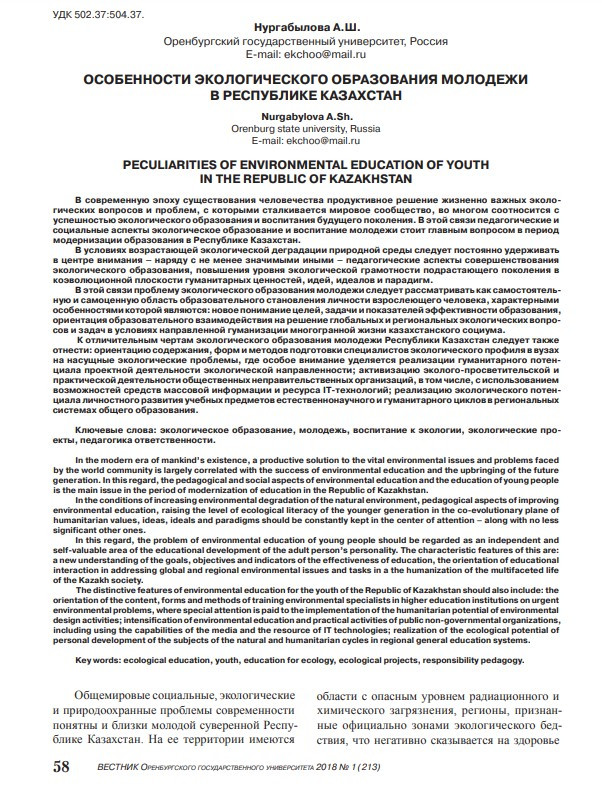 Peculiarities of Environmental Education of Youth in the Republic of Kazakhstan Année de publication: 2018 Auteur: Agila Sh. Nurgabylova In the modern era of mankind’s existence, a productive solution to the vital environmental issues and problems faced by the world community is largely correlated with the success of environmental education and the upbringing of the future generation. In this regard, the pedagogical and social aspects of environmental education and the education of young people is the main issue in the period of modernization of education in the Republic of Kazakhstan.