
Ressources
Explorez une large gamme de ressources sur le GCED afin d’approfondir votre compréhension et de renforcer vos activités de recherche, de plaidoyer, d’enseignement et d’apprentissage.
21 résultats trouvés
 Media and Information Literacy: A Practical Guidebook for Trainers Année de publication: 2021 Auteur: Sylvia Braesel | Thorsten Karg Auteur institutionnel: DW Akademie Literacy is the ability to read and write. Media and information literacy (MIL) is the ability to understand how the media work and can be used to participate in public debate. MIL includes social media like Facebook, as well as traditional media like books, newspapers, radio and television.Media and information literacy - A practical guidebook for trainers provides MIL trainers with background information, training ideas, methods and worksheets. The book also provides sample training schedules to help you determine the length of time needed to teach individual aspects of media and information literacy.Download the Media and information literacy guidebook for trainers as well as the worksheets and guidelines.DW Akademie defines MIL as a composite of five core competencies:Access: The ability to find and access relevant media and information sources.Analyze: The ability to evaluate the credibility, accuracy and objectivity of media content, for example a news story.Create: The ability to create and produce media and information content, such as photos, texts, or videos.Reflect: The ability to think critically about media habits, experiences, trends, and technologies, and how they impact individuals and society.Act: The ability to use media to achieve specific goals, for example launching a social media campaign about health.Read more about DW Akademie's approach to Media and Information Literacy here.
  미디어 문해력(Media Literacy) 향상을 위한 교실수업 개선 방안 연구 Année de publication: 2015 Auteur: 박유선 | 전경란 | 박한철 Auteur institutionnel: 대한민국 교육부 우리가 살고 있는 지식기반사회에서는 다양한 미디어와 정보 기술을 통해 쏟아지는 방대한 양과 형태의 정보에 체계적으로 접근하여, 이를 비판적으로 분석하고 평가하여 활용할 수 있는 ‘미디어 리터러시(Media Literacy)’가 현대적 의사소통 및 지식정보처리 역량으로서 중요하게 부각 되고 있습니다.과거의 학교 교육에서는 ‘리터러시’가 주로 문자로 표현된 글이나 책의 내용을 읽고 쓸 수 있는 능력에 한정되어 모국어 과목에서 다루어졌습니다. 그러나 현대사회에는 ‘리터러시’가 글과 책의 범위를 넘어서 다양한 형태로 된 미디어의 의미를 이해하고 생산하는 것으로 확대되었습니다. 이에 따라 주요 국제기구, 교육단체 및 세계 여러 나라의 국가 교육과정에서는 미디어 리터러시와 관련된 학습을 중요하게 다루고 있습니다.본 보고서는 “미디어 문해력 향상을 위한 교실수업 개선 방안 연구”의 최종보고서로서 미디어 리터러시 교육의 이론적 배경과 연구 동향, 국내와 해외 교육과정의 미디어 리터러시 반영 상황, 우리나라 어린이와 청소년들의 미디어 이용 실태 등을 검토하고, 초·중·고 교사들의 인식 조사 결과 및 국내와 해외 전문가들의 견해를 바탕으로 하여, 미디어 리터러시 교육의 개념과 목표, 내용 체계를 도출하였습니다.
  2020 미디어교육 우수사례 공모전 수상작 모음집 Année de publication: 2021 Auteur institutionnel: 시청자미디어재단 「2020 미디어 교육 우수사례 공모전」은 전국 미디어교육의 다양한 사례 발굴 및 격려를 통해 미디어교육에 대한 인식을 제고하고, 건강한 미디어 문화를 확산하기 위해 마련한 행사입니다. 지난해 12월 4일 본선심사를 통해 선발된 최종 10개의 수상작을 첨부로 공유드리니, 학교 및 사회미디어교육의 다양한 사례 분석에 참고하시기 바랍니다.※ 수상작 모음집은 분량 관계상 공모전 제출서류 및 발표자료 일부를 발췌하여 제작하였으며, 해당 내용과 사진은 시청자미디어재단의 동의없이 무단으로 사용할 수 없음을 알려드립니다.
  Media Literacy in the Library: A Guide for Library Practitioners Année de publication: 2020 Auteur institutionnel: American Library Association (ALA) | Institute of Museum and Library Services As information providers and hubs for lifelong learning, libraries have always been resources for helping communities develop media literacy skills. Now, in the midst of a global pandemic, and in an age when we increasingly rely on digital media for information and communication, these critical thinking skills are more important than ever. The American Library Association (ALA), working with talented thought leaders across the library and media literacy sectors, has created Media Literacy in the Library: A Guide for Library Practitioners to help library workers prepare for day-to-day interactions like the imagined reference desk one above.In this guide, we offer resources and ideas to plan programs and activities to teach media literacy skills to adults and also to integrate these skills into programming you already offer at your library. This guide has been created for out-of-school adult audiences, who library workers will generally meet in a public library context.
 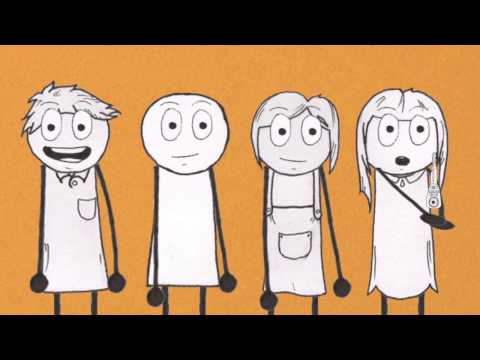 What is Media Literacy? Année de publication: 2017 Auteur institutionnel: Media Literacy Now Intended as a tool for advocates, the video introduces the concept of media literacy as a key that unlocks meaning behind the messages that we see, and allows us to be more thoughtful and deliberate as we create our own messages such as those we create and share on social media.
  Introductory News Literacy: Adapted from High Five 2012; The Integrated Language Arts and Journalism Curriculum for Middle School Students Année de publication: 2013 Auteur institutionnel: American Press Institute The American Press Institute’s Introductory News Literacy Units are lightweight general usage lesson plans for introducing middle school students to how to read and understand news media and current events. While the Institute offers more specific and in-depth materials and ideas for promoting news literacy, these new units provide a resource for the time-pressed teacher working with students at an important age. Split into three units of one-to-two weeks each, the curriculum briefly overviews critical elements in news understanding and healthy processes for determining source information and bias. Individual lessons can be adapted and used to fit specific classroom needs.
 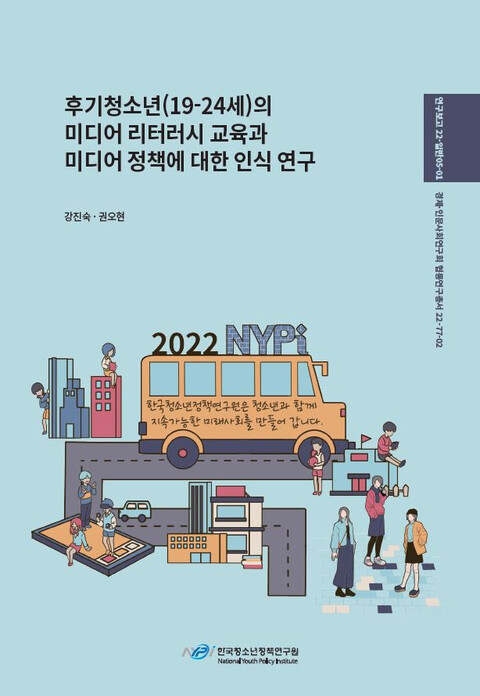 후기청소년(19-24세)의 미디어 리터러시 교육과 미디어 정책에 대한 인식 연구 Année de publication: 2022 Auteur: 강진숙 | 권오현 Auteur institutionnel: 한국청소년정책연구원 이 연구는 후기청소년의 미디어 리터러시 교육과 미디어 정책에 대한 인식 연구로서 후기청소년의 미디어 리터러시 교육적 쟁점과 국내외 사례를 살펴보고, 후기청소년 및 미디어 관련 전문가들의 인식을 통해 후기청소년이 미디어 리터러시 교육과 미디어 정책을 제안하는 데 목적이 있다.연구 진행을 위해 문헌연구, 전문가 자문, FGI(Focus group Interview) 및 심층인터뷰를 진행하였으며, 국내외 후기청소년의 미디어 이용 현황과 관련 정책을 문헌연구를 통해 알아보고, 함의를 도출하였다. 본 저작물은 한국청소년정책연구원에서 2022년 작성하여 공공누리 제4유형으로 개방한 ‘후기청소년(19-24세)의 미디어 리터러시 교육과 미디어 정책에 대한 인식 연구(강진숙, 권오현)’를 이용하였으며 해당 저작물은 한국청소년정책연구원 홈페이지 (https://www.nypi.re.kr)에서 무료로 다운받으실 수 있습니다.
  미디어 리터러시 교육의 융합적 접근 Année de publication: 2020 Auteur: 진민정 | 김반야 | 박유신 | 최숙 Auteur institutionnel: 한국언론진흥재단 본 연구서에는 미디어 리터러시 교육에서의 융합 논의를 기반으로 미디어 리터러시 교육의 패러다임 전환의 필요성을 더욱 공고히 하고, 국내와 해외의 구체적인 사례와 더불어 현재 학교 수업에서 사용 가능한 프로그램을 제시하며 이를 토대로 융합적 미디어 리터러시 교육의 유형과 나아가 융합적 교육의 실현 방안을 살펴보고자 한다.본 연구에서 말하는 융합적 접근이란 미디어 재현 테크놀로지가 호환되고 통합되면서 변화되는 협의적 의미의 융합이라기보다는 좀 더 총체적인 차원의 미디어 교육 패러다임의 변화를 강조하는 제안이다. 다시 말해, 시대적 한계로 인해 고착된 국내 미디어 교육 현장의 분절성을 극복하고 비판적 리터러시의 제고라는 공통의 목표를 위해 주제 간, 참여 주체들 간, 교육 내용 간, 방식 간의 교차, 공유, 협력으로 공동의 성과를 내는 것을 의미한다.
  대학의 미디어 리터러시 교육 활성화 방안 Année de publication: 2020 Auteur: 김경희 | 정윤경 | 오연주 Auteur institutionnel: 한국언론진흥재단 본 연구는 한국언론진흥재단에서 공모연구로 수행한 지정주제 연구보고서로 국내외 대학의 미디어 리터러시 교육 및 관련 사업 현황과 우수 사례의 분석을 토대로 대학 내 미디어 리터러시 교육의 활성화 방안을 마련하고 대학이 미디어 리터러시 교육의 지역거점으로 거듭나기 위한 정책적 제언을 도출하는 것을 목표로 한다. 1. 서론2. 국내 대학의 미디어 리터러시 교육 현황3. 해외 대학의 미디어 리터러시 교육 우수 사례 분석4. 국내 대학의 미디어 리터러시 교육 우수 사례 분석5. 대학 미디어 리터러시 교육 활성화 및 대학 거점화 방안6. 결론
  UNESCO MIL CLICKS Social Media Innovation Année de publication: 2016 Auteur institutionnel: UNESCO MIL CLICKS is a way for people to acquire media and information literacy (MIL) competencies in their normal day-to-day use of the Internet and social media and to engage peer education in an atmosphere of browsing, playing, connecting, sharing, and socializing.The acronym MIL CLICKS stands for Media and Information Literacy: Critical-thinking, Creativity, Literacy, Intercultural, Citizenship, Knowledge & Sustainability.The objectives of this social media strategy are to use social media to:1) Expose people to become more media and information literate and to2) Raise awareness about the importance of media and information literacy.