
Ressources
Explorez une large gamme de ressources sur le GCED afin d’approfondir votre compréhension et de renforcer vos activités de recherche, de plaidoyer, d’enseignement et d’apprentissage.
3,530 résultats trouvés
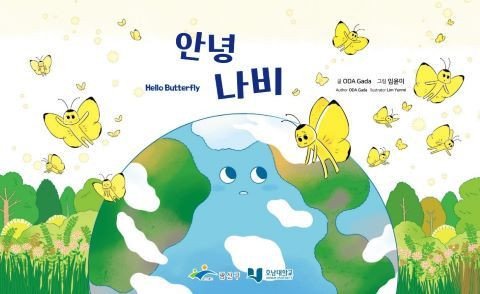 안녕 나비 Année de publication: 2022 Auteur: ODA Gada Auteur institutionnel: ODA Gada | 광진구 | 호남대학교 <안녕 나비>는 광주광역시 광산구와 호남대가 공동 진행하는 ‘청소년 세계 시민 교육 프로젝트’ 의 다섯번째 그림책이다. 기후변화 대응을 주제로 하고 있다. 책에는 ‘패스트 패션(최신 유행을 바로 반영해 제작‧유통하는 의류)’의 폐해와 바람직한 의류 소비법, 제로웨이스트(쓰레기 없애기), 그린워싱(위장환경주의) 등 기후변화와 환경정책에 도움이 되는 구체적인 정보들이 담겨있다. 책은 기후변화 생물지표종 중 하나인 남방노랑나비를 주인공으로 하여, 나비의 시선을 통해 이야기를 묘사하는 아코디언북 형태를 띠고 있다. 본 저작물은 광주 광산구와 호남대학교에서 2022년 작성된 공공누리 제1유형으로 광산구청 누리집(www.gwangsan.go.kr/)에서 다운로드 하실 수 있습니다. Здравствуй Бабочка Année de publication: 2022 Auteur: ODA Gada Auteur institutionnel: ODA Gada | 광진구 | 호남대학교 «Hello Butterfly» — пятая иллюстрированная книга в рамках «Молодежного образовательного проекта глобальной гражданственности», совместно изданного офисом Квансан-гу Кванджу и Университетом Хонам. Тема — реакция на изменение климата. Книга помогает с изменением климата и экологической политикой, такими как вредные последствия «быстрой моды» (одежда, производимая и распространяемая с учетом последних тенденций), желаемые методы потребления одежды, ноль отходов (удаление мусора) и стирка зелени (замаскированный энвайронментализм). ). Он содержит конкретную информацию. Книга имеет форму аккордеонной книги, которая изображает историю глазами бабочки, с южной желтой бабочкой, одним из видов биомаркеров изменения климата, в качестве главного героя.
  Citizenship Education at Regional Conflict Zones Année de publication: 2020 Auteur: Nazarii Boiarskyi | Aleksey Telichkin | Nikolay Nazarov | Yuriy Petrushenko | Alexandru Postica | Sasha Delemenchuk | Valery Balaian | Oleksandr Voitenko | Rauf Rajabov Auteur institutionnel: Human Rights Vector This publication is prepared by ‘Human Rights Vector’ NGO (Ukraine) as part of ‘Citizenship Education at Regional Conflict Zones’ projects that is being implemented by a ‘Citizenship Education at Regional Conflict Zones’ working group within EENCE network with the support of the Federal Agency for Civic Education (Bundeszentrale für politische Bildung) using funds appropriated by the Federal Foreign Office. This publication is the result of the activities of “Citizenship Education at Regional Conflict Zones” working group within EENCE network in 2020. The manual presents an understanding of conflicts in the modern world, as well as an overview of regional conflicts in the countries of the Eastern Partnership and Russia; it contains the analysis of the condition of formal and non-formal education in the conflict-affected areas; information on the specifics of planning and implementing citizenship education programs in the conflict-affected areas and for people from such areas, examples of the best educational practices. Гражданское образование в зоне региональных конфликтов Année de publication: 2020 Auteur: Nazarii Boiarskyi | Aleksey Telichkin | Nikolay Nazarov | Yuriy Petrushenko | Alexandru Postica | Sasha Delemenchuk | Valery Balaian | Oleksandr Voitenko | Rauf Rajabov Auteur institutionnel: Human Rights Vector Данная публикация — результат деятельности рабочей группы EENCE «Гражданское образование в зоне региональных конфликтов» в 2020 году. Стоит участь, что эксперты, вовлеченные в подготовку данного издания, работали над содержанием конкретных подразделов, где они указаны как авторы материала. Поэтому они могут не разделять мнения, высказанные авторами других подразделов.Эта публикация является едва ли не первой попыткой общественности посмотреть на ситуацию с образованием (и гражданским образованием в частности) в зонах региональных конфликтов, сравнить опыт различных организаций и институций в этой сфере, предоставить практические рекомендации. Поэтому не стоит рассматривать его как исчерпывающий материал. Скорее это приглашение к диалогу и раздумьям о том, как мирным путем через гражданское образование способствовать решению конфликтов.
  초·중등학교 사이버폭력 예방 및 대응을 위한 중장기 지원 방안 연구 Année de publication: 2020 Auteur: 정여주 | 신윤정 | 윤서연 | 고경희 | 김옥미 | 이도연 | 이은숙 | 김주한 Auteur institutionnel: 한국교육학술정보원 본 연구는 오늘날 스마트기기 보급과 사이버 공간 활용 문화가 확산되고 저연령화 되면서 학교 안에서 이뤄지고 일어나는 폐해인 사이버폭력을 효과적이면서도 지속적으로 예방 및 대응하고자 실시되었다. 본 연구를 시작하는데 앞서 국내·외의 사이버폭력 관련 자료를 수집하고, 문헌분석을 실시하였다. 문헌분석에는 최근 청소년이 경험하는 사이버 세계의 특성이 어떠한지와 그로 인해 나타나는 국내외 사이버폭력의 특징은 무엇인지를 조사하였다. 본 저작물은 한국교육학술정보원에서 2020년 작성하여 공공누리 제4유형으로 개방한 '초·중등학교 사이버폭력 예방 및 대응을 위한 중장기 지원 방안 연구(작성자:정여주)'를 이용하였으며, 해당 저작물은 한국교육학술정보원 홈페이지(https://www.keris.or.kr/)에서 무료로 내려받으실 수 있습니다.
  인공지능(AI) 도구를 활용한 다문화학생 한국어 학습 활용방안 연구 Année de publication: 2023 Auteur: 이태환 Auteur institutionnel: 한국교육학술정보원 다문화학생들에게 교육기회를 보장하고 교육격차를 해소하기 위해 한국어 습득의 중요성이 날로 증가하고 있다. 언어 학습은 문화와 국경을 넘어 효과적으로 소통하고 다른 사람들과 함께 성장하는 데 필요한 기술을 개인에게 제공하는 중요한 요소이다. 언어 학습의 중요성은 아무리 강조해도 지나치지 않으며, 개인이 언어 학습 목표를 달성하기 위해 필요한 도구와 자원을 제공 받는 것은 필수적이다.교육부에서는 2021년 다문화학생들을 위해 한국어교육 프로그램 개발을 위한 정보화전략계획(ISP)을 수립하였고, 3개년에 걸쳐 다문화학생 한국어학습관리시스템 구축, 교육 콘텐츠 개발 등 다문화학생 한국어교육 프로그램을 구축 중에 있다.본 보고서에서는 이에 맞춰 다문화 학생의 한국어 학습을 돕기 위한 AI 학습 도구를 검토해 보고 학생들의 학습 효과를 향상시키기 위한 방안을 도출하는 것을 목적으로 한다. 본 저작물은 한국교육학술정보원에서 2023년 작성하여 공공누리 제4유형으로 개방한 '인공지능(AI) 도구를 활용한 다문화학생 한국어 학습 활용방안 연구(작성자:이태환)'를 이용하였으며, 해당 저작물은 한국교육학술정보원 홈페이지(https://www.keris.or.kr/)에서 무료로 내려받으실 수 있습니다.
  Bolstering Adolescent Social, Emotional, and Mental Health with Dr. Kathleen Ethier of the CDC Année de publication: 2023 Auteur institutionnel: Committee for Children 26 Oct 2023 The Grow Kinder® podcast / Committee for Childrenhttps://soundcloud.com/grow-kinder-podcast/bolstering-adolescent-social-emotional-and-mental-health-with-dr-kathleen-ethier-of-the-cdc?utm_source=www.cfchildren.org&utm_campaign=wtshare&utm_medium=widget&utm_content=https%253A%252F%252Fsoundcloud.com%252Fgrow-kinder-podcast%252Fbolstering-adolescent-social-emotional-and-mental-health-with-dr-kathleen-ethier-of-the-cdc Show NotesIn this episode of the Grow Kinder® podcast, host Andrea Lovanhill speaks with Dr. Kathleen Ethier, the director of the Division of Adolescent and School Health at the Centers for Disease Control and Prevention (CDC).In this enlightening conversation, Andrea and Kathleen dive deep into the pressing issues surrounding the mental health of today’s teenagers.We take a closer look at the CDC’s recent Youth Risk Behavior Survey and the startling findings related to the mental health of teenage girls.We discover the initiatives undertaken by the CDC to help schools address these mental health challenges.In addition, Kathleen offers advice for concerned parents on how they can actively support their children’s social-emotional well-being and development.To learn more about the CDC’s work with schools, click here. To sign up with Committee for Children to advocate for children’s social-emotional well-being, click here.Stay tuned for more episodes on our thought-provoking journey throughout this new season.You can catch us on your favorite podcast platforms such as Apple Podcasts, Spotify, SoundCloud, and more. For additional information, visit GrowKinderPodcast.org.
  بناء مجتمعات المعرفة في المنطقة العربية: اللغة العربية بوابة للمعرفة Année de publication: 2019 Auteur institutionnel: UNESCO Cairo بناء اقتصادات ومجتمعات المعرفة هدف معلن في المنطقة العربية. فمعظم الخطط التنموية في الدول العربية تدعو وبوضوح للعمل على إنتاج، ونقل، وتوطين، وتسخير المعرفة في مختلف الحقول خدمة لمآرب التنمية ا إ لنسانية المستدامة.وللغة العربية دور مهم في هذه العملية التنموية ا أ لساسية، حيث إن إنتاج المعارف واستيعابها ونقلها يكون أكثر فاعلية وأوسع انتشارًا باستخدام اللغة ا أ لم. ولا بد لنا هنا من الوقوف على السؤال ا أ لساسي التالي: إلى أي مدى تشكّل اللغة العربية اليوم بوابة حقيقية للمعرفة في المنطقة العربية؟يسعى هذا التقرير، الذي أعدّته ثلة من الخبراء العرب المميزين وبإدارة وتنسيق من مكتب اليونسكو ا إ لقليمي للعلوم في الدول العربية، إلى البحث في هذا السؤال المركزي من خلال مراجعة وتقييم حال المعرفة في المنطقة العربية من جهة، وإلى تحليل دور اللغة العربية في عمليات إقامة مجتمعات واقتصادات المعرفة في المنطقة العربية من جهة أخرى. ويتناول القسم العام من التقرير قضية المعرفة واللغة على المستوى ا إ لقليمي العربي. كما يتميّز التقرير ببحوث ميدانية تمّت في ثلاث دول عربية )هي السعودية ومصر والمغرب( تدرس حال المعرفة واللغة العربية في تلك البلدان، وتعكس، إلى حد ما، الحال في المناطق العربية الفرعية التي تنتمي إليها." Building Knowledge Societies in the Arab Region: Arabic Language as a Gateway to Knowledge Année de publication: 2019 Auteur institutionnel: UNESCO Cairo Building knowledge economies and societies is a professed objective in the Arab region. Most of the development plans in the Arab states clearly call for action to produce, transfer, localise and harness knowledge in various fields, in service of the sustainable human development goals. The Arabic language has an important role to play in this key development process, as the production, assimilation and dissemination of knowledge is more effective and more widely spread when the mother tongue is used. Hereupon, a fundamental question must be addressed: To what extent does the Arabic language today constitute a true gateway to knowledge in the Arab region?This report, prepared by a group of distinguished Arab experts, under supervision and coordination of the UNESCO Regional Bureau for Sciences in the Arab States, seeks to research this central question by reviewing and evaluating the state of knowledge in the Arab region on the one hand, and analysing the role of the Arabic language in the processes of establishing knowledge societies and economies in the Arab region on the other. The general section of the report addresses the question of knowledge and language at the Arab regional level. It also features field research conducted in three Arab states (Saudi Arabia, Egypt and Morocco), that examines the state of knowledge and the Arabic language in those states, and to a certain extent, reflects the situation in the Arab sub-regions to which they belong. Construire les sociétés du savoir dans la région arabe: le rôle de la langue arabe en tant que portail du savoir Année de publication: 2019 Auteur institutionnel: UNESCO Cairo La construction des économies et des sociétés du savoir est un objectif déclaré dans la région arabe. La plupart des plans de développement dans les pays arabes appellent clairement à des actions pour produire, transférer, localiser et exploiter des connaissances dans divers domaines au service des objectifs de développement humain durable. La langue arabe a un rôle important à jouer dans ce processus fondamental de développement, car la production, l’assimilation et la diffusion de connaissances sont plus efficaces et plus répandues lorsque la langue maternelle est utilisée. Là-dessus, une question fondamentale devrait être posée : dans quelle mesure la langue arabe constitue-t-elle aujourd’hui un vrai point d’accès au savoir dans la région arabe ?Ce rapport, préparé par un groupe d’éminents experts arabes, sous la supervision et la coordination du Bureau régional de l’UNESCO pour les sciences dans les États arabes, cherche à étudier cette question centrale en examinant et en évaluant la situation de connaissances dans la région arabe d’une part, et en analysant le rôle de la langue arabe dans les processus d’instauration des sociétés et d’économies du savoir dans la région arabe, d’autre part. La section générale du rapport aborde la question de connaissances et de la langue dans la région arabe. Il présente également des recherches de terrain menées dans trois pays arabes (l’Arabie saoudite, l’Égypte et le Maroc), ces recherches examinent la situation de connaissances et de la langue arabe dans ces États et reflètant, en quelque sorte, la situation dans les sous-régions arabes dans lesquelles elles étaient menées.