
Ressources
Explorez une large gamme de ressources sur le GCED afin d’approfondir votre compréhension et de renforcer vos activités de recherche, de plaidoyer, d’enseignement et d’apprentissage.
732 résultats trouvés
 Enseigner Témoigner Année de publication: 2024 Auteur institutionnel: Ligue de l'enseignement, Fédération de Paris & Ibuka France En 1994, environ 1 million de Tutsi ont été tués au Rwanda. Le génocide perpétré contre les Tutsi au Rwanda constitue l’une des principales tueries du XXème siècle. Elle a été rendue possible par l’action d’extrémistes qui ont, pendant des années, attisé la haine anti-tutsi au sein de la population rwandaise à coup de préjugés, de fausses informations, d’accusations en miroir, de stratégie de manipulation et de conditionnement des esprits à la peur, à la haine et à la violence meurtrière.Avec l’inscription récente de son enseignement dans les programmes scolaires, de plus en plus d’enseignants travaillent avec leurs élèves sur cet événement majeur de l’histoire du XXème siècle. Parallèlement, des rescapés ressentent le besoin de témoigner pour partager leur histoire avec la jeune génération et prévenir ainsi les mécanismes qui ont rendu ce drame possible. Dans ce contexte, l’association Ibuka France et la Ligue de l’enseignement engagent une action commune pour proposer un accompagnement dans l’organisation et la gestion pédagogique d’une rencontre avec un témoin-rescapé en classe. Cet accompagnement vise à créer un cadre à la fois utile et sécurisant pour l’ensemble des acteurs engagés et impactés par le témoignage en classe. In 1994, around 1 million Tutsis were killed in Rwanda. The genocide perpetrated against the Tutsis in Rwanda is one of the major killings of the twentieth century. It was made possible by the actions of extremists who, for years, stirred up anti-Tutsi hatred among the Rwandan population by means of prejudice, false informations, mirror-image accusations, a strategy of manipulation and the conditioning of minds to fear, hatred and murderous violence.With the recent inclusion of the subject in school curricula, more and more teachers are working with their pupils on this major event in the history of the 20th century. At the same time, survivors are feeling the need to share their stories with the younger generation and prevent the mechanisms that made this tragedy possible. Against this backdrop, Ibuka France and the Ligue de l'enseignement have joined forces to offer support in organising and managing a meeting with a survivor-witness in the classroom. The aim of this support is to create a framework that is both useful and reassuring for all those involved and affected by the testimonial in the classroom.
 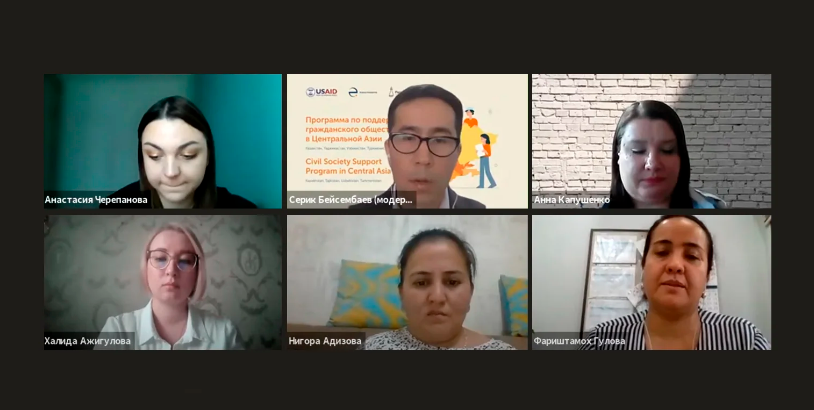 Борьба с насилием в отношении женщин в Центральной Азии: Новые законы, старые практики Année de publication: 2021 Auteur institutionnel: Исследовательский центр Paperlab (Казахстан) Проблема насилия в отношении женщин все еще остается острой проблемой в странах Центральной Азии. Согласно ООН, 18% женщин из стран этого региона сообщили, что лично сталкивались с бытовым насилием и дискриминацией. На дискуссионной онлайн-площадке PaperLab эксперты и исследователи вместе с представителями гражданского общества и государственных органов обсудили тему борьбы с гендерным насилием в контексте законодательных и программных мер, которые реализуются в странах Центральной Азии.
 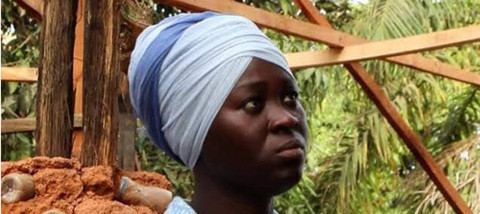 《专题报道》互联网把人口贩运受害者“救出火坑” ——一位幸存者的讲述 Année de publication: 2022 Auteur institutionnel: 联合国 本专题报道中,一位曾经被贩卖的冈比亚女士讲述了自己被贩卖以及获救的经历,揭露人口贩卖问题的普遍性与严重性,并谈及互联网如何可能帮助受害者摆脱人口贩运的厄境。
 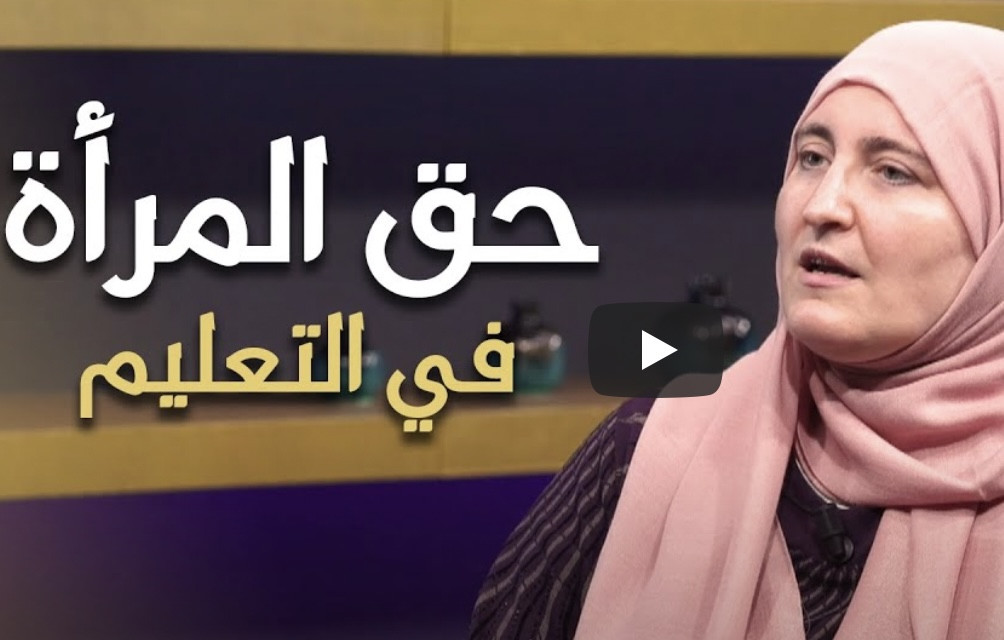 حق المرأة في التعليم Année de publication: 2021 Auteur: Alya Shaker Auteur institutionnel: Qaf TV الفيديو عبارة عن حلقة من برنامج "دولة النساء" في قناة قاف التفاعلية. الحلقة بعنوان "المرأة محقها في التعليم". تناولت فيها المذيعة الموضوع مع الدكتورة "نسيبة جلال". الحلقة ناقشت نظرة الدين الإسلامي الحنيف في حق المرأة في التعليم والأسباب الاجتماعية والاقتصادية التي كانت تمنع المرأة من التعلم وواقعها اليوم وما هي الآثار الإيجابية الكثيرة في حال تعليم المرأة من الناحية الشخصية والاجتماعية والاقتصادية. وأيضا تناقش الأسباب المساعدة على تيسير وتطبيق هذا الحق في أيامنا الحالية.
 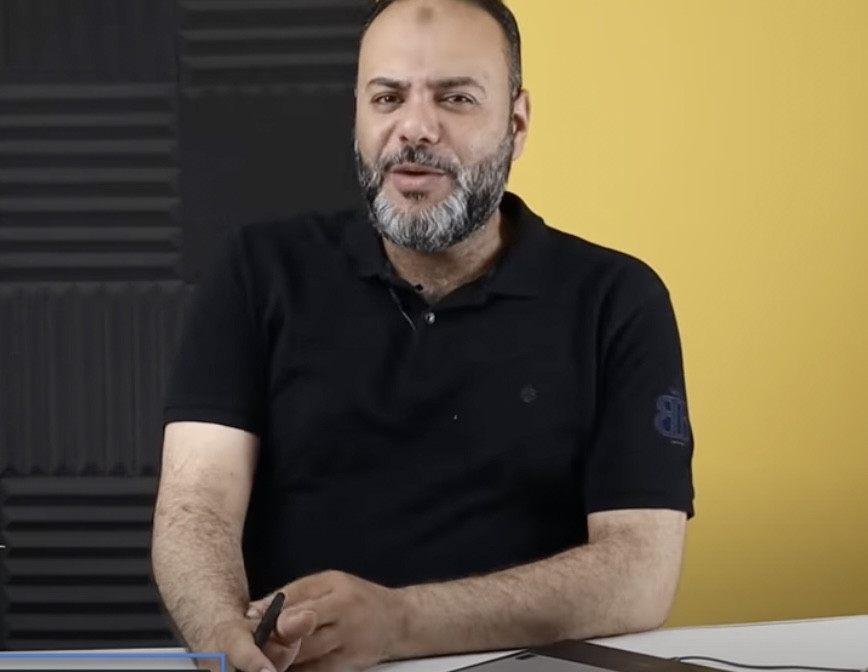 منهج تربية وطنية للصف الثالث الثانوي Année de publication: 2022 Auteur: Moahmmed Ali Auteur institutionnel: ELkheta Seniors يستعرض الفيديو حلقة كاملة عن منهج التربية الوطنية للصف الثالث الثانوي بمصر. يحاول المعلم أن يتحدث عن جميع المواضيع التي يحتويها المنهج، ويعمل مراجعة متكاملة للمنهج. يعتبر الفيديو مهم للطلبة الذين يدرسون باستقلالية لفهم مادة التربية الوطنية. National Education Curriculum for the Third Grade of Secondary Année de publication: 2022 Auteur: Moahmmed Ali Auteur institutionnel: ELkheta Seniors The video reviews a full episode of the national education curriculum for the third secondary grade in Egypt. The teacher tries to talk about all the topics included in the curriculum, and makes an integrated review of the curriculum. The video is important for students who study independently to understand civics.
  [Video] Socio-emotional Learning - the Key to Building Global Citizenship Année de publication: 2018 Auteur: Nandini Chatterjee Singh Auteur institutionnel: Mahatma Gandhi Institute of Education for Peace and Sustainable Development (MGIEP) Dr. Nandini Chatterjee Singh, Programme Specialist, UNESCO MGIEP speaks about 'Socio-emotional Learning: the Key to Building Global Citizenship' as part of Association for Childhood Education International (ACEI)'s online learning event for educators, titled 'Breakthroughs in Education: Innovations in Equity, Access & Quality.
  [Video] Global Citizenship Education - The Key to a Just, Peaceful and Inclusive World Année de publication: 2015 Auteur institutionnel: Global Education First Initiative Global Citizenship Education gives students the knowledge and skills they need to answer the big questions of the day, and to help forge more tolerant, peaceful and inclusive societies.
 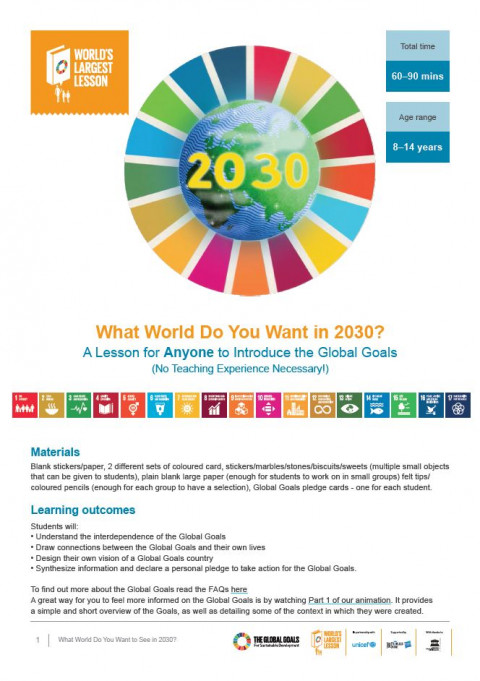 What World Do You Want in 2030?: A Lesson for Anyone to Introduce the Global Goals Année de publication: 2018 Auteur institutionnel: World’s Largest Lesson MaterialsBlank stickers/paper, 2 different sets of coloured card, stickers/marbles/stones/biscuits/sweets (multiple small objects that can be given to students), plain blank large paper (enough for students to work on in small groups) felt tips/coloured pencils (enough for each group to have a selection), Global Goals pledge cards - one for each student. Learning outcomesStudents will:• Understand the interdependence of the Global Goals• Draw connections between the Global Goals and their own lives• Design their own vision of a Global Goals country• Synthesize information and declare a personal pledge to take action for the Global Goals.
 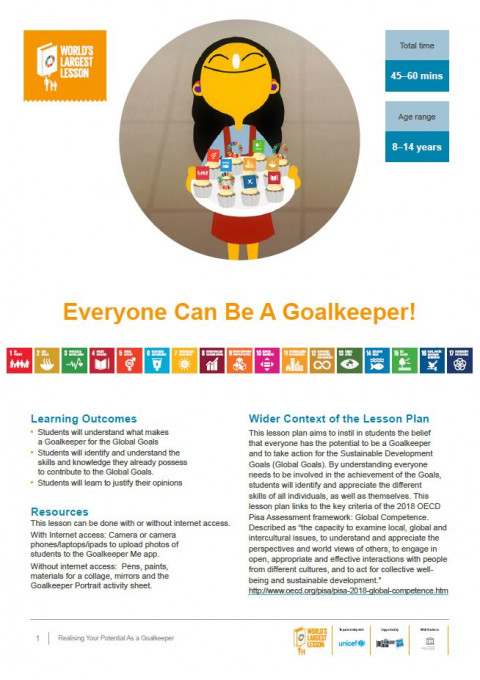 Everyone Can Be a Goalkeeper! Auteur institutionnel: World’s Largest Lesson Learning Outcomes• Students will understand what makes a Goalkeeper for the Global Goals• Students will identify and understand the skills and knowledge they already possess to contribute to the Global Goals.• Students will learn to justify their opinions Resources This lesson can be done with or without internet access.With Internet access: Camera or camera phones/laptops/ipads to upload photos of students to the Goalkeeper Me app.Without internet access: Pens, paints, materials for a collage, mirrors and the Goalkeeper Portrait activity sheet. Wider Context of the Lesson PlanThis lesson plan aims to instil in students the belief that everyone has the potential to be a Goalkeeper and to take action for the Sustainable Development Goals (Global Goals). By understanding everyone needs to be involved in the achievement of the Goals, students will identify and appreciate the different skills of all individuals, as well as themselves. This lesson plan links to the key criteria of the 2018 OECD Pisa Assessment framework: Global Competence.Described as “the capacity to examine local, global and intercultural issues, to understand and appreciate the perspectives and world views of others, to engage in open, appropriate and effective interactions with people from different cultures, and to act for collective wellbeing and sustainable development.”