
Ressources
Explorez une large gamme de ressources sur le GCED afin d’approfondir votre compréhension et de renforcer vos activités de recherche, de plaidoyer, d’enseignement et d’apprentissage.
662 résultats trouvés
 المواطنة والعولمة تساؤل الزمن الصعب Année de publication: 2016 Auteur: قايد دياب عد كتاب “المواطنة والعولمة.. تساؤل الزمن الصعب” لمؤلفه “قايد دياب قايد مجاهد”تقاطعًا بين عدد من مجالات العلوم الإنسانية البينية، ومنها: مجال حقوق الإنسان، والاقتصاد السياسي الذي يهتم بأهم الظواهر الاقتصادية العالمية وأثرها على الظواهر السياسية، ومن أهمها موضوع سيادة الدول القومية؛ حيث يتناول بالدراسة والتحليل مفهوم المواطنة الغربية والكيفية التي تبلور بها وتطوره، وما تعرض له من ثورات اجتماعية وإعلانات مختلفة لحقوق الإنسان.. كما يستهدف استقصاء ظاهرة العولمة من حيث نشأتها وتفسيرها وتجلياتها، ومدى قدرة الدول القومية على الوفاء بمسئولياتها الاجتماعية تجاه مواطنيها إزاء ظاهرة العولمة.. بالتطبيق على أثر العولمة على المواطنة المصرية، وذلك في خمسة أبواب Citizenship and Globalization, Questionable difficult time Année de publication: 2016 Auteur: قايد دياب The book “Citizenship and Globalization… the Question of the Hard Time” by “Kayed Diab Kayed Mujahid” is considered as an intersection between a number of interdisciplinary fields of human sciences, including: It examines and analyzes the concept of Western citizenship, how it develops and develops it, as well as the social revolutions and various human rights declarations it exposes. A social towards its citizens towards the phenomenon of globalization .. Applied to the impact of globalization on Egyptian citizenship, in five sections.
  Égalité hommes-femmes vs conscience environnementale: Scène de ménage inéluctable ou convergence des luttes ? Année de publication: 2018 Auteur: Solène Houzé Réduire son empreinte environnementale est un souci qui gagne chaque jour davantage de citoyens. On essaye de faire de son mieux, pour soi et pour la planète. Cela demande une adaptation pour toute une série de tâches domestiques et de gestes quotidiens (choix de l’alimentation, moyens de transports, zéro déchet, produits d’entretiens naturels, etc.). À l’heure où la répartition des tâches domestiques est encore bien souvent inégalement partagée entre hommes et femmes, il est légitime de s’interroger sur la pression qu’exerce la conscience écologique sur le quotidien des femmes au sein de la sphère privée. Les enjeux des rapports de genre se mêlent alors aux enjeux environnementaux. L’écoféminisme est un courant de pensée qui veut analyser le rapprochement entre ces deux combats. Quels sont donc les fondements de ce mouvement et comment l’action au quotidien pour la nature et le climat s’inscrit-elle dans les analyses écoféministes ? Cette analyse invite donc à discuter des bases genrées nécessaires à une transition verte et durable dans toutes ses dimensions.
  Discours de M. Koïchiro Matsuura, Directeur général de l'UNESCO, à l'occasion de la Conférence de Copenhague sur l'éducation pour la compréhension et le dialogue interculturels, Copenhague, 21 octobre 2008 Année de publication: 2008 Auteur institutionnel: UNESCO. Director-General, 1999-2009 (Matsuura, K.) This address is given by Mr Koïchiro Matsuura, Director-General of UNESCO, on the occasion of the Copenhagen Conference: “Education for Intercultural Understanding and Dialogue”. Address by Mr Koïchiro Matsuura, Director-General of UNESCO, on the occasion of the Copenhagen Conference: Education for Intercultural Understanding and Dialogue; Copenhagen, 21 October 2008 Année de publication: 2008 Auteur institutionnel: UNESCO. Director-General, 1999-2009 (Matsuura, K.) This address is given by Mr Koïchiro Matsuura, Director-General of UNESCO, on the occasion of the Copenhagen Conference: “Education for Intercultural Understanding and Dialogue”. Discours de M. Koïchiro Matsuura, Directeur général de l'UNESCO, à l'occasion de la Conférence de Copenhague: l'éducation pour la compréhension interculturelle et le dialogue; Copenhague, le 21 Octobre 2008 Année de publication: 2008 Auteur institutionnel: UNESCO. Director-General, 1999-2009 (Matsuura, K.) Cette adresse est donnée par M. Koïchiro Matsuura, Directeur général de l'UNESCO, à l'occasion de la Conférence de Copenhague: «L'éducation pour la compréhension interculturelle et le dialogue ».
  Migration: la solidarité internationale contre le nationalisme xénophobe Année de publication: 2018 Auteur: Tina Robiolle Moul Le sommet qui vient de se tenir à Bruxelles les 28 et 29 juin, confirme l’entêtement des dirigeant·e·s européen·ne·s dans une politique du pire qui, loin d’être le fruit de maladresses face à l’idée d’une invasion imaginaire de personnes étrangères, s’apparente à une stratégie explicite de coercition des populations en adoptant sans réserve les positions de l’extrême droite. La politique migratoire européenne, à l’image de celle des pays membres, reste aveugle à une compréhension plus globale des migrations qui est celle de la solidarité internationale.
 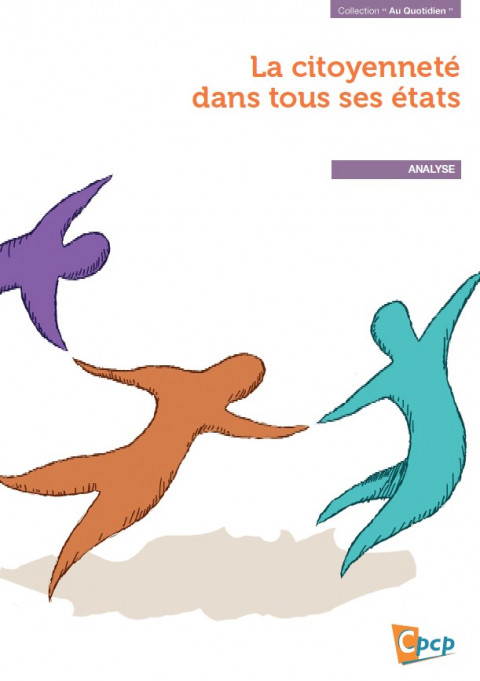 La citoyenneté dans tous ses états Année de publication: 2016 Auteur: Remacle, Anne-Catherine Durant cette période que certains estiment en crise démocratique, les questions de démocratie et de citoyenneté occupent très souvent le devant de la scène. Des initiatives citoyennes et participatives éclosent un peu partout à l’échelle mondiale et notre petite Belgique n’est pas en reste. Il s’agit là notamment d’une dynamique réactivée à la suite de la diffusion du film Demain qui a réinsufflé un vent d’envie participative en évoquant des mouvements comme les villes en transition, les Incredible Edible (Incroyable Comestible), les initiatives de monnaies locales et autres filières courtes. Nous assistons sans nul doute à un réveil citoyen dans une démocratie représentative un peu essoufflée. Cette logique de participation citoyenne, ainsi que l’implication d’acteurs critiques et responsables, est également à la base du travail du Centre Permanent pour la Citoyenneté et la Participation (CPCP). Que ce soit dans ses groupes d’éducation permanente, durant ses formations et animations ou au travers de ses publications, le CPCP prône une citoyenneté active qui inclut une participation à la vie de notre société. Le travail du CPCP se situe donc intimement autour des notions de citoyen et de citoyenneté, deux termes aux acceptions très variées. Cette publication a pour but de défricher les différentes significations de la citoyenneté et de les développer selon plusieurs dimensions.
 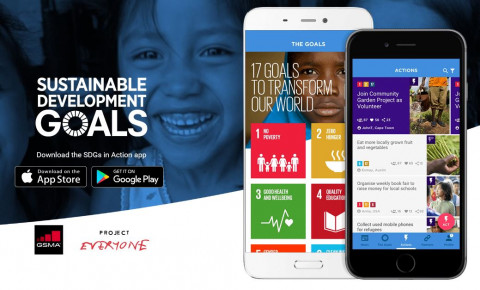 تطبيق منجزات أهداف التنمية المستدامة Année de publication: 2019 Auteur institutionnel: SDG | GSMA ما المغزى من الحدث؟لمحة عامة تم تطوير تطبيق منجزات أهداف التنمية المستدامة لتسليط الأضواء على أهداف التنمية المستدامة - قائمة أعمال للعالم للقضاء على الفقر وتقليل عدم المساواة ومعالجة تغيير المناخ. تقدمه لك جي إس إم إي التي تمثل مصالح حوالي 800 شركة لتشغيل الهاتف الجوال حول العالم، Everyone Project هو حملة عالمية غير نفعية هدفها نشر رسالة أهداف التنمية المستدامة. مزايا التطبيقتعرف على أهداف التنمية المستدامة السبعة عشر واحصل على أخبار عن أهدافك المفضلة واكتشف ما يمكنك فعله لتحقيقها، وابتكر أحداثك الخاصة وادع الآخرين للانضمام إليك في الأعمال والأحداث المستدامة.مزايا تطبيق منجزات أهداف التنمية المستدامة•معلومات مفصلة عن كل من الأهداف السبعة عشر بما فيها الأهداف وفيديو تفسيري والحقائق والأرقام الرئيسية والاقتراحات عن كيفية المساعدة في تحقيقها.•آخر أخبار التطوير المستدام من حول العالم. اعرف كيف يساعد الابتكار على تحقيق الأهداف، وتواصل مع المواطنين العالميين حول العالم واعرف آخر الأخبار.•القدرة على اختيار أي أهداف تهمك وتلقي الإخطارات بخصوص ذلك الهدف.•الوصول إلى أكبر درس في العالم يشرح كلاً من أهداف التطوير المستدامة.•إيجاد الأعمال والأحداث بالقرب منك مما يتيح لك فرصة الانضمام إليها لدعم الأهداف.•القدرة على ابتكار أعمال تخطط لها في منطقتك ودعوة الآخرين للانضمام إليها. بخصوص أهداف التطوير المستدامةتم تبني خطة عمل الأمم المتحدة 2030 للتطوير المستدام التي تحتوي على الأهداف السبعة عشر من قبل قادة العالم أجمعين في قمة تاريخية للأمم المتحدة في أيلول/سبتمبر 2015. حيث عملت الحكومات على توفيق الأولويات الوطنية مع خطة عمل 2030 بالعمل مع القطاع الخاص والمجتمع المدني وبدأت تحشد الجهود للقضاء على الفقر وعدم المساواة ومعالجة تغيير المناخ بحلول 2030. SDGs in Action app Année de publication: 2019 Auteur institutionnel: SDG | GSMA What's It All About? OVERVIEWThe SDGs in Action app has been developed to highlight the Sustainable Development Goals - the world’s to-do list to end poverty, reduce inequalities and tackle climate change. It is brought to you by the GSMA, which represents the interests of nearly 800 mobile operators worldwide, and Project Everyone, a non-profit global campaign to spread the messaging of the SDGs. APP FEATURESLearn about the 17 SDGs, get news on your favourite goals, find out what you can do to achieve them, create your own events and invite others to join you in sustainable actions and events.The SDGs in Action app features:•Detailed information about each of the 17 goals, including targets, explanatory videos, key facts and figures, and suggestions on how you can help achieve them take action.•The latest sustainable development news from around the world. See how innovation is helping to achieve the goals, interact with global citizens around the world and see the latest news.•The ability to choose what goals are important to you and receive notifications about that goal.•Access to the World’s Largest Lesson explaining each of the Sustainable Development Goals.•Find actions and events near you that you can join to support the goals.•The ability to create Actions you’re planning in your area, and invite others to join. ABOUT THE SUSTAINABLE DEVELOPMENT GOALSThe UN’s 2030 Agenda for Sustainable Development, featuring the 17 Sustainable Development Goals, was unanimously adopted by world leaders at a historic UN summit in September 2015. By aligning national priorities with the 2030 Agenda and working together with the private sector and civil society, governments have started mobilizing efforts to end poverty, address inequalities and tackle climate change by 2030.