
Ressources
Explorez une large gamme de ressources sur le GCED afin d’approfondir votre compréhension et de renforcer vos activités de recherche, de plaidoyer, d’enseignement et d’apprentissage.
3,226 résultats trouvés
 كـراسي اليونسكو في المغرب العربي Année de publication: 2023 Auteur institutionnel: UNESCO Rabat في كانون ألاول/ديسمبر 2022، احتفل برنامج توأمة الجامعات/كرايس اليونسكو بالذكرى السنوية الثلاثين لتأسيسه. ولعل استمرار وتطورهذا البرنامج طيلة هذه المدة يؤشران على طابعه الاستراتيجي بالنسبة لليونسكو وللدول ا ألاعضاء على السواء. ويروم هذا البرنامج تعبئة الجامعات ومن خلالها جميع الجهات الفاعلة في مجال التنمية لدعم السياسات العمومي في مختلف مراحلها (من البلورة والتنفيذ إل التقييم) وعلى مختلف مستويات الحكامة (الدولية والوطنية والترابية) لتحقيق أهداف التنمية المستدامة. ويسعى البرنامج إلى جعل الجامعات الوطنية مراكز امتياز موضوعاتية قادرة على المساهمة في تحسين أداء العمل العمومي وتعزيز بعدهالاستشرفي، باعتبارها فضاء متكاملا للتكوين والبحث والتوعية.كما يستمد البرنامج أهميته من خصوصيات مقاربته المنهجية. حيث يستند، من ناحية، إلى تعزيزالتشبيك وتعدد التخصصات، ومن ناحية أخرى،إلى الاخذ بعين الاعتبار بطريقة جوهرية ومنهجية الهدف الاستراتيجي المتمثل في بناء القدرات الوطنية. ويهدف اليونسكو لمنطقة الغرب العربي إلى المواكبة الدولاألاعضاء التي يغطيها، في عملية تطوير هذا البرنامج والاستفادة من إمكاناته المختلفة، بالتعاون مع الدوائر الوطنية للتربية والعلومي والثقافة. ويعدإصدارهذه الطبعة ألاولى من كتيب كرايس اليونسكو الجامعية في المغرب العربي مبادرة فيبيأولى هذا الاتجاه. Chaires UNESCO au Maghreb Année de publication: 2023 Auteur institutionnel: UNESCO Rabat En décembre 2022, le programme UNITWIN/Chaires UNESCO a fêté son trentième anniversaire. Sa longévité et sa dynamique de développement illustrent son caractère stratégique pour l’UNESCO et pour les Etats membres. Ce programme vise à mobiliser les universités et, à travers elles, l’ensemble des acteurs de développement, pour accompagner les politiques publiques pour atteindre les objectifs de développement durable (ODD). Le programme consiste à faire des universités nationales des centres d’excellence thématiques qui sont, en tant qu’espaces intégrés de formation, de recherche et de sensibilisation, en capacité de contribuer à améliorer la performance de l’action publique et à renforcer sa dimension prospective. Ce programme puise sa pertinence dans les spécificités de sa démarche. Cette dernière repose, d’une part, sur la promotion du réseautage et de la pluridisciplinarité et, d’autre part, sur la prise en compte de manière intrinsèque et systématique de l’objectif stratégique de renforcement de capacités nationales. Le Bureau de l’UNESCO pour le Maghreb ambitionne d’accompagner les Etats membres qu’il couvre à développer ce programme et à mettre à profit ses différentes potentialités, en collaboration avec les services concernés au Siège de l’UNESCO à Paris et les Commissions nationales pour l’éducation, les sciences et la culture. La production de cette première édition de la brochure des Chaires UNESCO au Maghreb constitue une première initiative dans ce sens.
 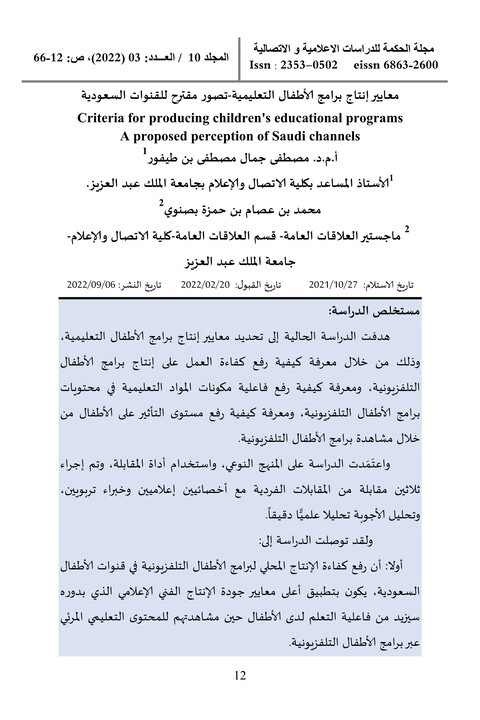 معايير إنتاج برامج الأطفال التعليمية: تصور مقترح للقنوات السعودية (مجلة الحكمة للدراسات الإعلامية والاتصالية؛ Vol.10, No.3) Année de publication: 2022 Auteur: Basnawi Muhammad مستخلص الدراسة هدفت الدراسة الحالية إلى تحديد معايير إنتاج برامج الأطفال التعليمية، وذلك من خلال معرفة كيفية رفع كفاءة العمل على إنتاج برامج الأطفال التلفزيونية، ومعرفة كيفية رفع فاعلية مكونات المواد التعليمية في محتويات برامج الأطفال التلفزيونية، ومعرفة كيفية رفع مستوى التأثير على الأطفال من خلال مشاهدة برامج الأطفال التلفزيونية. واعتَمَدت الدراسة على المنهج النوعي، واستخدام أداة المقابلة، وتم إجراء ثلاثين مقابلة من المقابلات الفردية مع أخصائيين إعلاميين وخبراء تربويين، وتحليل الأجوبة تحليلا علميًّا دقيقاً. ولقد توصلت الدراسة إلى: أولا: أن رفع كفاءة الإنتاج المحلي لبرامج الأطفال التلفزيونية في قنوات الأطفال السعودية، يكون بتطبيق أعلى معايير جودة الإنتاج الفني الإعلامي الذي بدوره سيزيد من فاعلية التعلم لدى الأطفال حين مشاهدتهم للمحتوى التعليمي المرئي عبر برامج الأطفال التلفزيونية. ثانياً: أنَّ الموضوعات ذات الأولوية الواجب توفرها في محتوى برامج الأطفال التعليمية هي: (التربية العقلية، التربية الأخلاقية، التنشئة الاجتماعية). ثالثاً: أنَّ استخدام الوسائل التربوية الحديثة في صناعة محتوى برامج الأطفال التعليمية وهي: (النمذجة، والقصة الدرامية، والمسابقات، والتكرار) ستزيد من فاعلية تأثيرها على محتويات برامج الأطفال في القنوات السعودية. وبناء على ما توصلت إليه الدراسة من نتائج فقد أوصى الباحث بتطبيق نموذج معايير إنتاج برامج الأطفال التعليمية المقترح عند صناعة برامج الأطفال التلفزيونية في القنوات السعودية. Criteria for Producing Children's Educational Programs A Proposed Perception of Saudi Channels (Al-Hikma Journal for Media and Communication Studies; Vol.10, No.3) Année de publication: 2022 Auteur: Basnawi Muhammad This study aimed to define the production criteria of children's educational programs, by knowing how to raise the work efficiency for the production of children's television programs, knowing how to raise the effectiveness of the components of educational materials in the contents of children's television programs, and knowing how to raise the influential levels on children by watching children's programs television. This study relied on the qualitative approach. By using the interview tool, thirty sessions of individual interviews were conducted with media specialists and educational experts; then the transcripts were scientifically analyzed. This study relied on the qualitative approach. By using the interview tool, thirty sessions of individual interviews were conducted with media specialists and educational experts; then the transcripts were scientifically analyzed. This study found: First: To increase the efficiency of local production of children’s television programs in Saudi children’s channels is by applying the highest quality standards of media artistic production, which, in turn, will increase the learning effectiveness of children when they watch visual educational content through children’s television programs. Secondly: The priority topics, which should be provided in the content of children’s educational programs, is: (Mental education, moral education,socialization). Third: The use of modern educational means in the content industry for children’s educational programs, which comprises (modeling, dramatic story, competitions, repetition) will increase the effectiveness of their impact on the contents of children's programs in Saudi channels. Based on the findings of this study, the researcher proposed an application model of the production criteria for children's educational programs when producing children's television programs on Saudi channels.
  Rethinking Learning: Exploring Different Pedagogical Approaches to Transform Education for Humanity (The Blue Dot Issue 7, 2018) Année de publication: 2018 Auteur institutionnel: Mahatma Gandhi Institute of Education for Peace and Sustainable Development (MGIEP) In the seventh issue of the Blue Dot, we focus on Rethinking Learning. The Issue includes a foreword by the Former Minister of Education of Mali, H.E. Adama Samassékou on how education systems need to be re-looked at to incorporate personalised learning and technology as an enabler and our Cover Story, which focuses on the importance of socio-emotional learning.Additionally, we feature opinions by specialists from academia, research, policymaking and the industry on the need to relook at education systems for the future. Amongst various experts, we hear from Andreas Schleicher, Director of Education and Skills and Special Advisor on Education Policy to the Secretary-General at the Organisation for Economic Co-operation and Development (OECD); Anneli Rautiainen from the Finnish National Agency for Education as well as Pratik Mehta, Head of Education & Skills, Microsoft India.Further, we present short blogs from the youth about what future education systems mean to them and we hear from Nobel Laureate, Ms Tawakkol Karman on the importance of education for peace.
 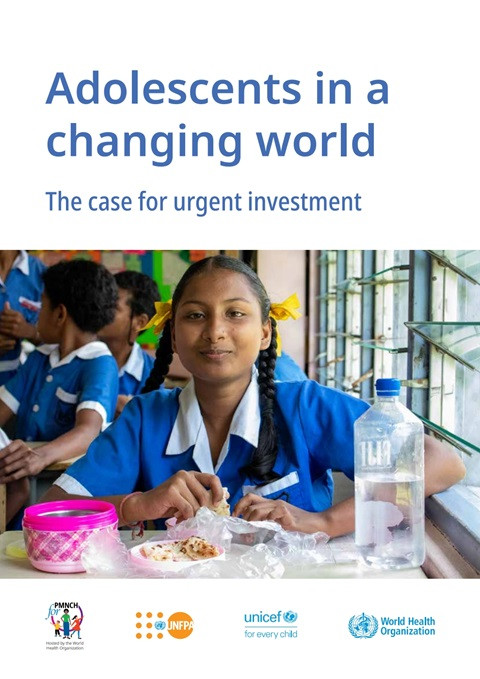 Adolescents in a Changing World: The Case for Urgent Investment Année de publication: 2024 Auteur institutionnel: World Health Organization (WHO) | United Nations Children's Fund (UNICEF) This report focuses on the strong returns on investment associated with investing in adolescent health and well-being. Today, adolescents make up more than 16% of the world's population. They are a demographic that is often overlooked or misunderstood. Investments in adolescents can reduce inequalities and help to protect their human rights. The economic and social returns from a wide range of investments to address adolescent well-being are significant. The report makes a compelling case for investing in adolescents, they are living in a world facing multifaceted crises, and they will be tomorrow's changemakers and leaders. The staggering cost of inaction is estimated at US$110 trillion over a period of 27 years (2024-50). That amounts to 7.7% of the total GDP of those countries included in the models, which themselves include around 80% of the world's population. Many interventions will yield high returns, including those focused on health services and multisectoral interventions, for example on SRHR, HPV, TB, myopia, education and training, child marriage and road accident prevention. This evidence base is crucial for policymakers, practitioners, researchers, educators, donors, and civil society organizations as we map the road ahead for a better and more sustainable future. Investing in adolescent health and well-being strengthens the human capital of a country, and hence a country's potential for future development and for ending extreme poverty and creating more inclusive societies.
 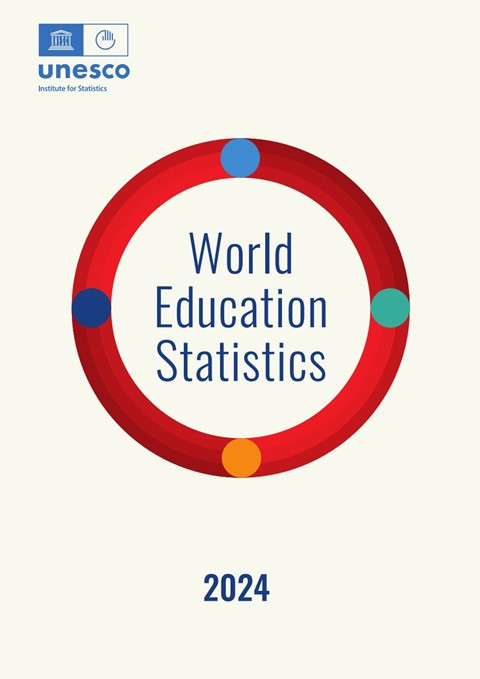 World Education Statistics 2024 Année de publication: 2024 Auteur institutionnel: UNESCO Institute for Statistics (UIS) The report summarizes the education data published by UIS and serves as a fundamental resource and essential guide for policy-makers, researchers and analysts, as well as anyone interested in education data and statistics. Statistics are presented in 11 thematic chapters, covering primary and secondary education; early childhood; technical, vocational and tertiary education; skills for work; parity; literacy and numeracy; sustainable development and global citizenship; learning environment; scholarships; teachers; and financing education.
 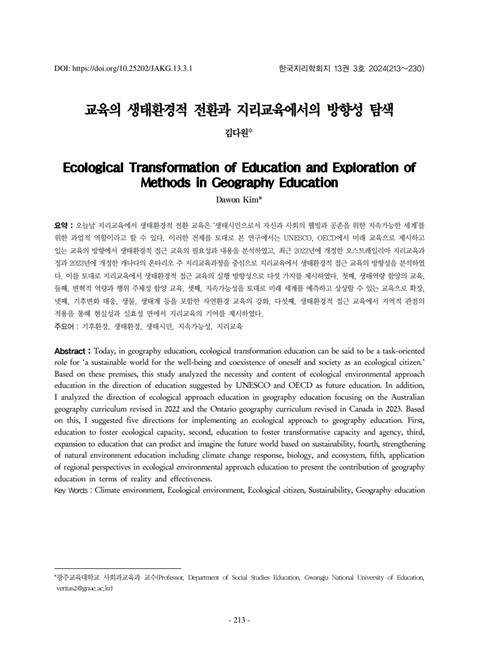 교육의 생태환경적 전환과 지리교육에서의 방향성 탐색 (한국지리학회지; Vol. 13, No. 3) Année de publication: 2024 Auteur: 김다원 Auteur institutionnel: 한국지리학회 오늘날 지리교육에서 생태환경적 전환 교육은 ‘생태시민으로서 자신과 사회의 웰빙과 공존을 위한 지속가능한 세계’를 위한 과업적 역할이라고 할 수 있다. 이러한 전제를 토대로 본 연구에서는 UNESCO, OECD에서 미래 교육으로 제시하고 있는 교육의 방향에서 생태환경적 접근 교육의 필요성과 내용을 분석하였고, 최근 2022년에 개정한 오스트레일리아 지리교육과정과 2023년에 개정한 캐나다의 온타리오 주 지리교육과정을 중심으로 지리교육에서 생태환경적 접근 교육의 방향성을 분석하였다. 이를 토대로 지리교육에서 생태환경적 접근 교육의 실행 방향성으로 다섯 가지를 제시하였다. 첫째, 생태역량 함양의 교육, 둘째, 변혁적 역량과 행위 주체성 함양 교육, 셋째, 지속가능성을 토대로 미래 세계를 예측하고 상상할 수 있는 교육으로 확장, 넷째, 기후변화 대응, 생물, 생태계 등을 포함한 자연환경 교육의 강화, 다섯째, 생태환경적 접근 교육에서 지역적 관점의 적용을 통해 현실성과 실효성 면에서 지리교육의 기여를 제시하였다.
 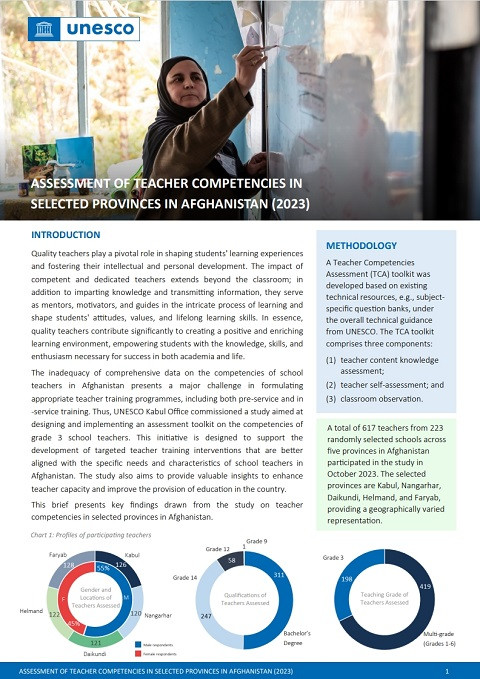 Assessment of Teacher Competencies in Selected Provinces of Afghanistan (2023) Année de publication: 2024 Auteur institutionnel: UNESCO Kabul UNESCO Kabul Office commissioned a study aimed at assessing the competencies of Grade 3 teachers. A total of 617 teachers from 223 randomly selected schools across five provinces in Afghanistan participated in the study. Overall, although surveyed grade 3 teachers demonstrated a high level of self-perception regarding teaching competencies, they had low content knowledge. There remained room for improvement in terms of pedagogical skills among participating teachers.
  التربية البيئية وعلاقتها بالتنمية المستدامة لدى طلبة المدارس الثانوية (مجلة كلية التربية ، المجلد 2 ، العدد 41). Année de publication: 2020 Auteur: Ahmed Hassan | Batool Salman Auteur institutionnel: Wasit University يهدف هذا البحث الى التعرف على العلاقة بين التربية البيئية والتنمية المستدامة لدى طلبة الرابع العلمي في ثانويات واعداديات مدارس بغداد النهارية ولتحقيق ذلك سعى الباحثان الى الاجابة عن الاسئلة الاتية:• لا يوجد فرق دال احصائيا بين متوسط درجات افراد العينة والمتوسط الفرضي لمقياس التربية البيئية • لا يوجد فرق دال احصائيا بين متوسط درجات افراد العينة والمتوسط الفرضي لمقياس التنمية المستدامة الذي يشمل ثلاثة ابعاد هي البعد البيئي والبعد الاقتصادي والبعد الاجتماعيوللإجابة عن اسئلة البحث تم اختيار(6) مدارس بواقع (3) مدارس من ضمنها ثانوية كلية بغداد للبنين و(3) مدارس للبنات بالطريقة الطبقية العشوائية من مجتمع البحث ومن ثم اعتماد عينة البحث بالطريقة العشوائية المرحلية اذ تم اختيار شعبة واحدة من شعب الصف الرابع العلمي في كل مدرسة من هذه المدارس بصورة عشوائية ، بعدها تم اختيار الطلبة من الشعب بالجداول العشوائية وبذلك بلغ عدد افراد عينة البحث (218) طالبا وطالبة موزعين بالتساوي بين البنين والبنات وقد قام الباحثان بأعداد مقياس للتنمية المستدامة بأبعادها الثلاث البعد الاقتصادي وتكون من (30) فقرة والبعد البيئي وبلغ (25) فقرة والبعد الاجتماعي وبلغ (25) فقرة وتطلب البحث اعداد مقياس اخر للتربية البيئية تكون من (30) فقرة بعد التأكد من صدق المقياسين وثباتهما وبعد استخراج النتائج تبين وجود علاقة ايجابية بين متغير التنمية المستدامة بإبعادها الثلاثة ومتغير التربية البيئية وتضمن البحث عددا من الجداول الاحصائية لتوضيح اجراءات البحث ونتائجه واختتم البحث بعدد من التوصيات والمقترحات.