
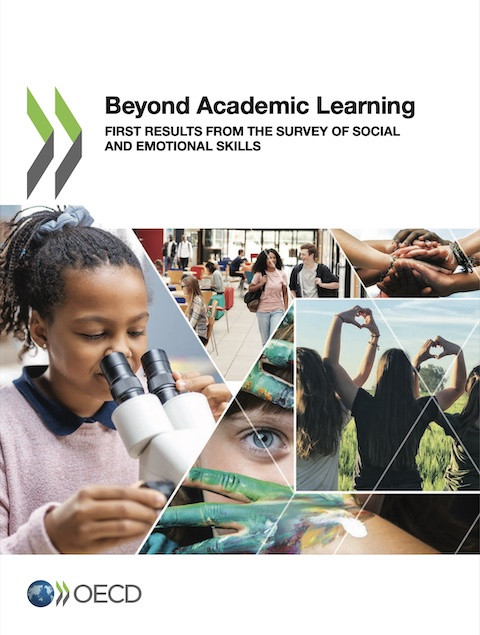
Beyond Academic Learning: First Results from the Survey of Social and Emotional Skills
- 저자
- Marta Encinas-MartinEva FeronFrancesco AvvisatiMarco PaccagnellaJavier Suárez-AlvarezMichelle Cherian
- ISBN
- ISBN 978-92-64-88850-0 (print); ISBN 978-92-64-69564-1 (pdf)
- 형태사항
- 170 p.
- 원래 언어
- 영어
- 발행 연도
- 2021
Over the last few years, social and emotional skills have been rising on the education policy agenda and in the public debate. Policy makers and education practitioners are seeking ways to complement the focus on academic learning, with attention to social and emotional skill development. Social and emotional skills are a subset of an individual’s abilities, attributes and characteristics important for individual success and social functioning. Together, they encompass a comprehensive set of skills essential for students to be able to succeed at school, at work and fully participate in society as active citizens.
The benefits of developing children’s social‐emotional skills go beyond cognitive development and academic outcomes; they are also important drivers of mental health and labour market prospects. The ability of citizens to adapt, be resourceful, respect and work well with others, and to take personal and collective responsibility is increasingly becoming the hallmark of a well‐functioning society. The OECD’s Survey of Social and Emotional Skills (SSES) is one of the first international efforts to collect data from students, parents and teachers on the social and emotional skills of students at ages 10 and 15. This report presents the first results from this survey. It describes students’ social and emotional skills and how they relate to individual, family, and school characteristics. It also examines broader policy and socio‐economic contexts related to these skills, and sheds light on ways to help education leaders and policy makers monitor and foster students’ social and emotional skills.
관련 자료
-
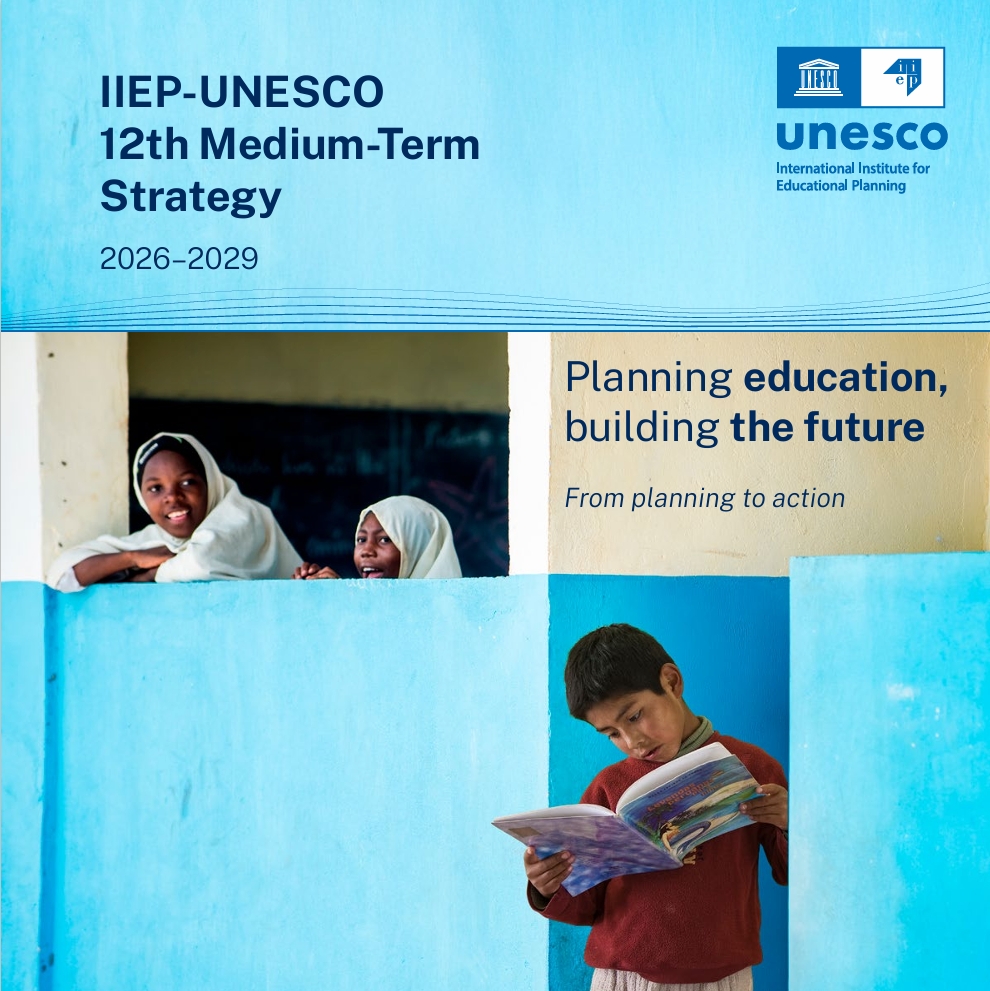 IIEP-UNESCO 12th Medium-Term Strategy: 2026–2029
 -
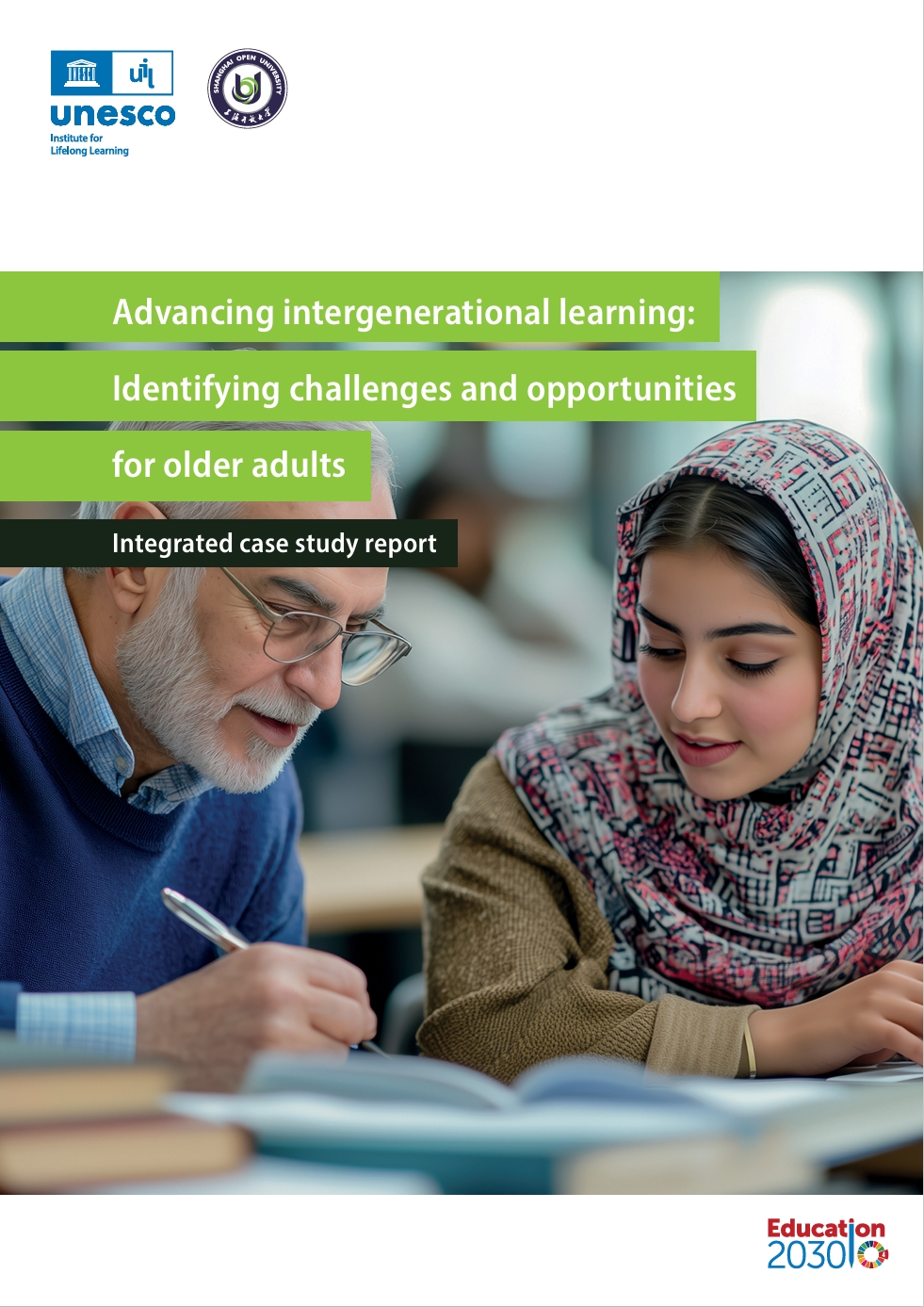 Advancing Intergenerational Learning: Identifying Challenges and Opportunities for Older Adults; Integrated Case Study Report
 -
 Digital Empowerment for Lifelong Learning and Transformative Andragogy (DELTA) for Adult Educators: Introduction to the DELTA Framework and Resources
 -
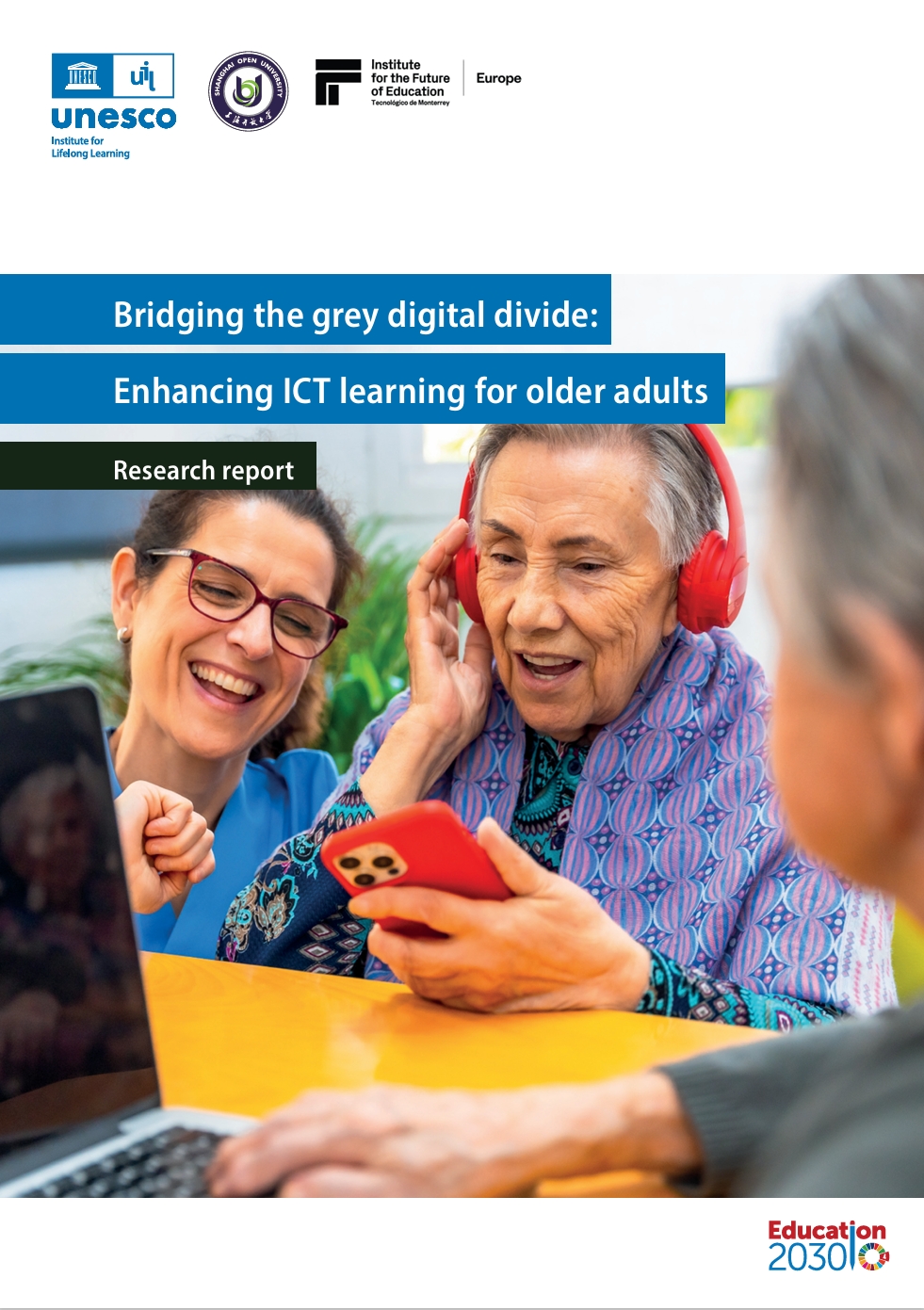 Bridging the Grey Digital Divide: Enhancing ICT Learning for Older Adults; Research Report