
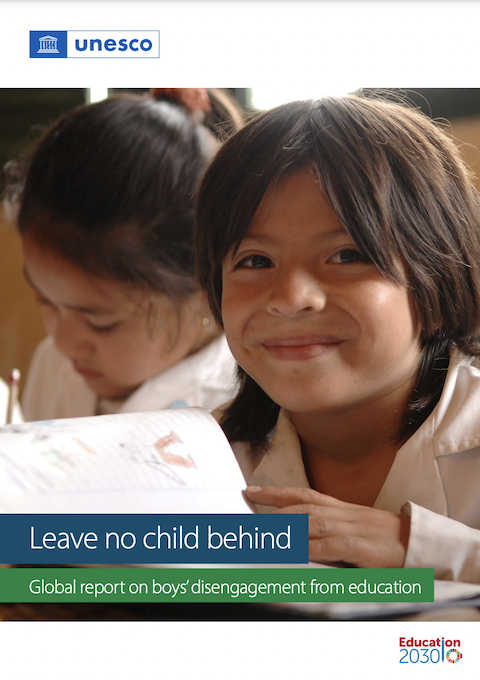
Leave No Child Behind: Global Report on Boys’ Disengagement From Education
- 단체 저자
- 유네스코
- ISBN
- ISBN 978-92-3-100520-6
- 형태사항
- 147 p.
- 원래 언어
- 영어
- 발행 연도
- 2022
- 자료 유형
- 연구 보고서 / 학술논문
- 출판지역
- Paris
The 2030 Agenda for Sustainable Development makes the promise to leave no one behind. While improving educational opportunities for girls globally continues to be of paramount importance to achieve gender equality in and through education, this focus on achieving gender parity and equality must not ignore boys. No less than 132 million boys of primary and secondary school age are out of school.
To leave no child behind, UNESCO developed the first global report of this scope on boys’ disengagement from education, bringing together qualitative and quantitative evidence from over 140 countries. As this report shows, addressing boys’ disengagement from and disadvantage in education is not a zero-sum game. Supporting boys does not mean that girls lose out and vice versa. Addressing boys’ disengagement from and disadvantage in education not only benefits boys’ learning, employment opportunities, income and well-being, but it also benefits girls and the broader society.
관련 자료
-
 Study on the Historical Impact of the 1974 Recommendation concerning Education for International Understanding, Cooperation and Peace and Education relating to Human Rights and Fundamental Freedoms
 -
 IIEP-UNESCO 12th Medium-Term Strategy: 2026–2029
 -
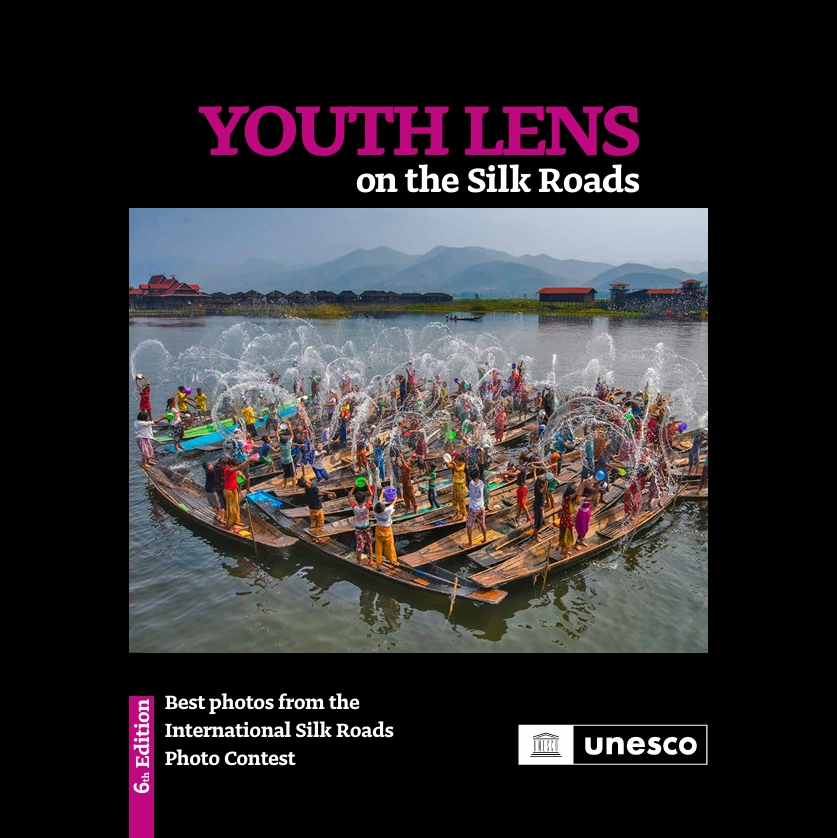 Youth Lens on the Silk Roads: Best Photos from the International Silk Roads Photo Contest; 6th Edition
 -
 More than Welcome: Intercultural Integration of Migrants in and Through Higher Education