
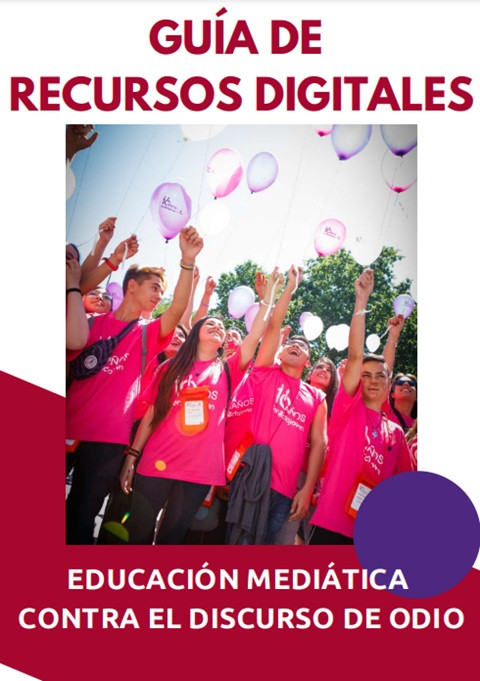
Digital Resource Guide: Media Education Against Hate Speech
- 단체 저자
- Esplai Foundation
- 형태사항
- 12 p.
- 원래 언어
- 스페인어
- 발행 연도
- 2022
We could define hate speech as the set of communicative actions aimed at defending, promoting or instigating hatred, humiliation or contempt of a person or group of people. Although hate speech is not something exclusive to the Internet, but is part of the reality beyond the networks, it is true that the potential of the networks facilitates the movement of communication flows, because it facilitates both the production and the creation of messages. Hate speech has also benefited from this and, in addition, has found in the networks other characteristics such as anonymity, brevity, free messaging services or legitimacy granted by the number of followers. With this guide we want to provide digital tools for the creation of this counter-discourse that allows for the creation of messages that offer a positive alternative to extremist propaganda.
관련 자료
-
 Digital Empowerment for Lifelong Learning and Transformative Andragogy (DELTA) for Adult Educators: Introduction to the DELTA Framework and Resources
 -
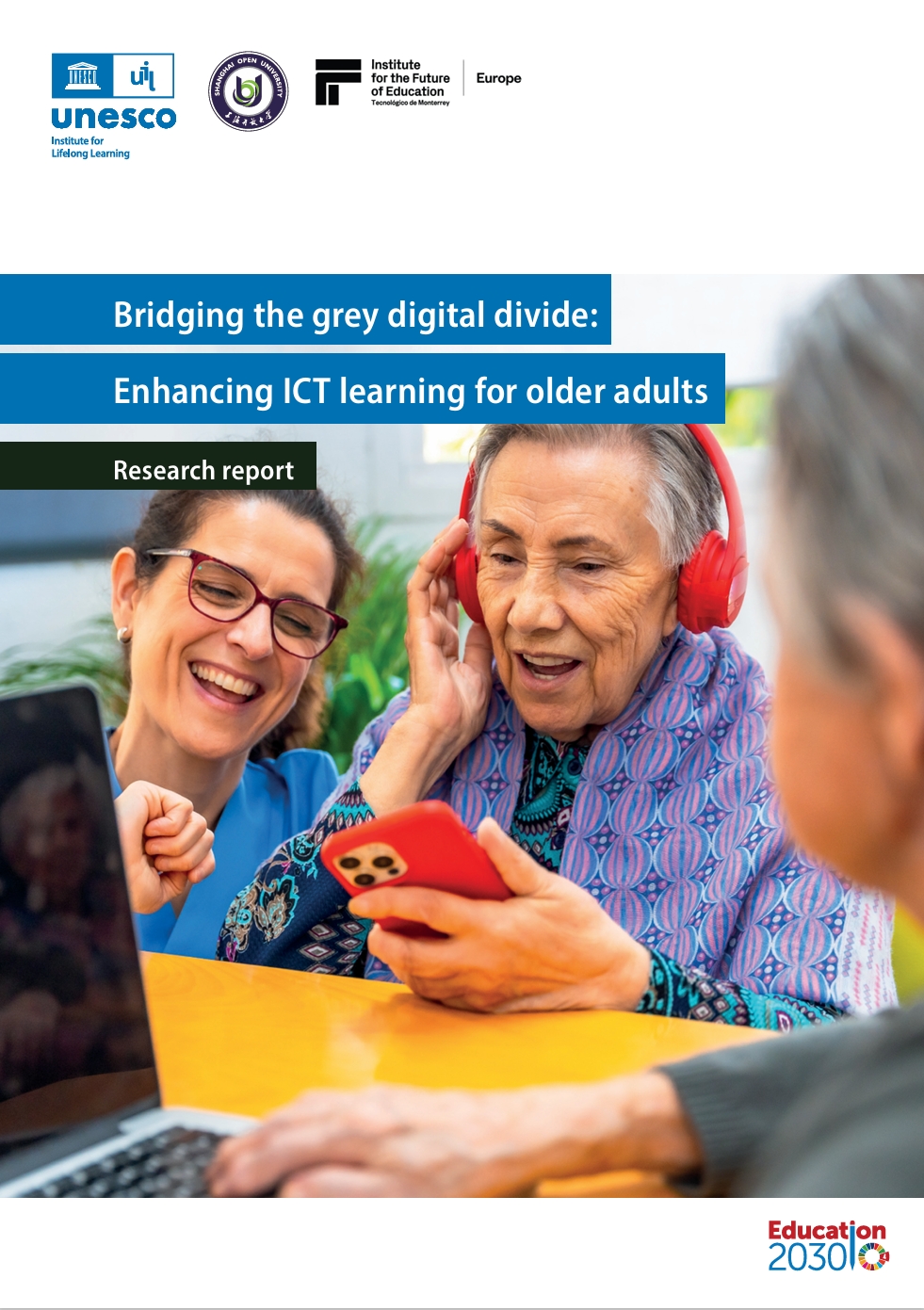 Bridging the Grey Digital Divide: Enhancing ICT Learning for Older Adults; Research Report
 -
 Addressing Violent Pasts through Education: A Policy Guide
 -
 The Representation of Jews, Judaism and Antisemitism in School Textbooks and Curricula in Europe