
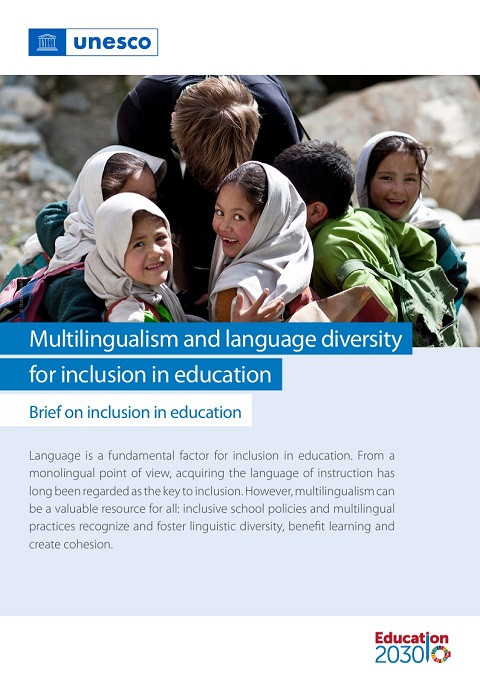
Multilingualism and Language Diversity for Inclusion in Education: Brief on Inclusion in Education
Language is a fundamental factor for inclusion in education. From a monolingual point of view, acquiring the language of instruction has long been regarded as the key to inclusion. However, multilingualism can be a valuable resource for all: inclusive school policies and multilingual practices recognize and foster linguistic diversity, benefit learning and create cohesion.
관련 자료
-
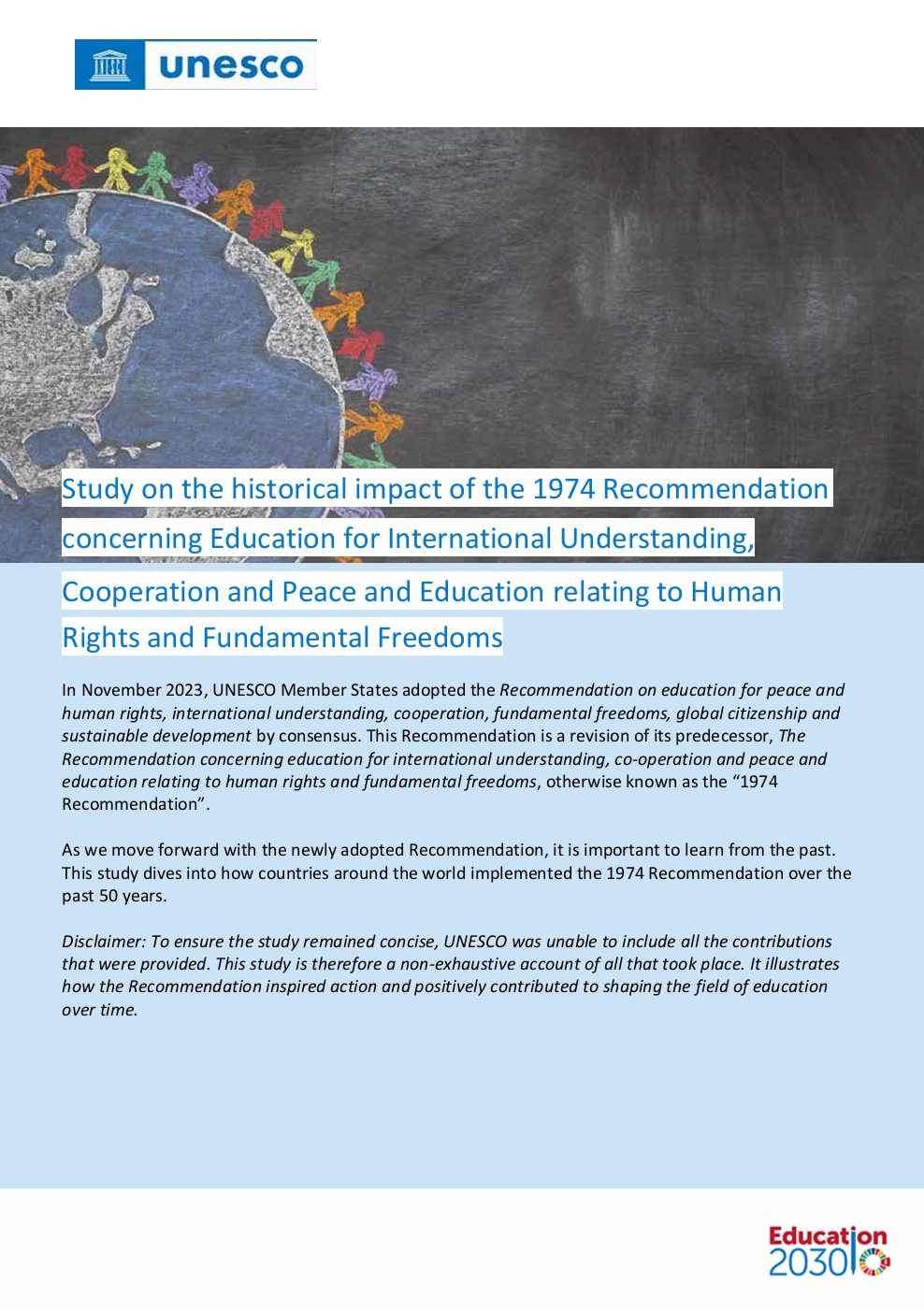 Study on the Historical Impact of the 1974 Recommendation concerning Education for International Understanding, Cooperation and Peace and Education relating to Human Rights and Fundamental Freedoms
 -
 IIEP-UNESCO 12th Medium-Term Strategy: 2026–2029
 -
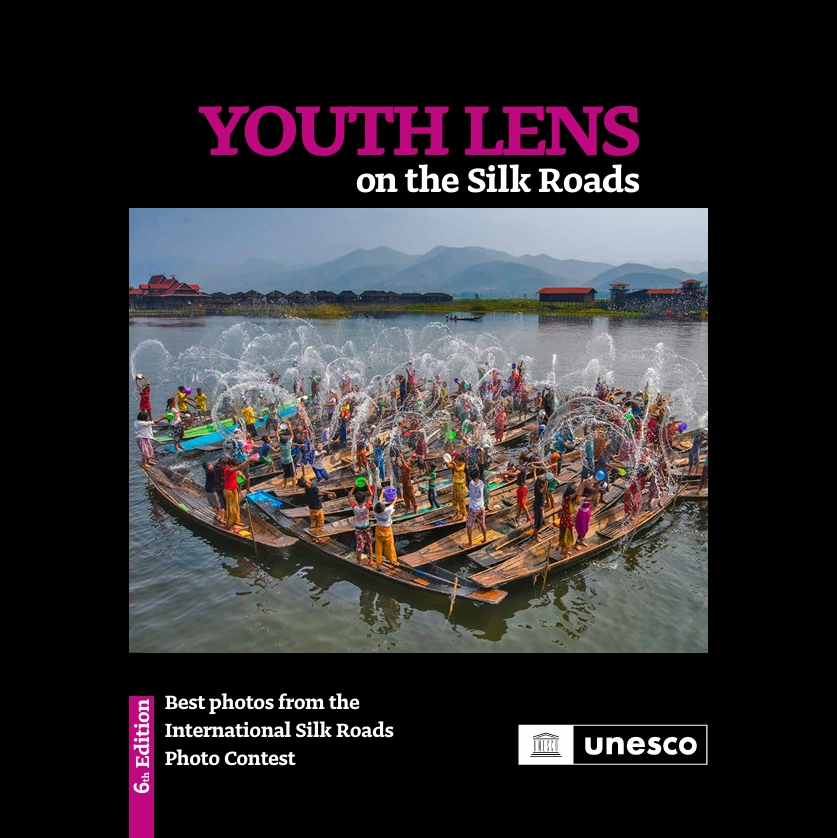 Youth Lens on the Silk Roads: Best Photos from the International Silk Roads Photo Contest; 6th Edition
 -
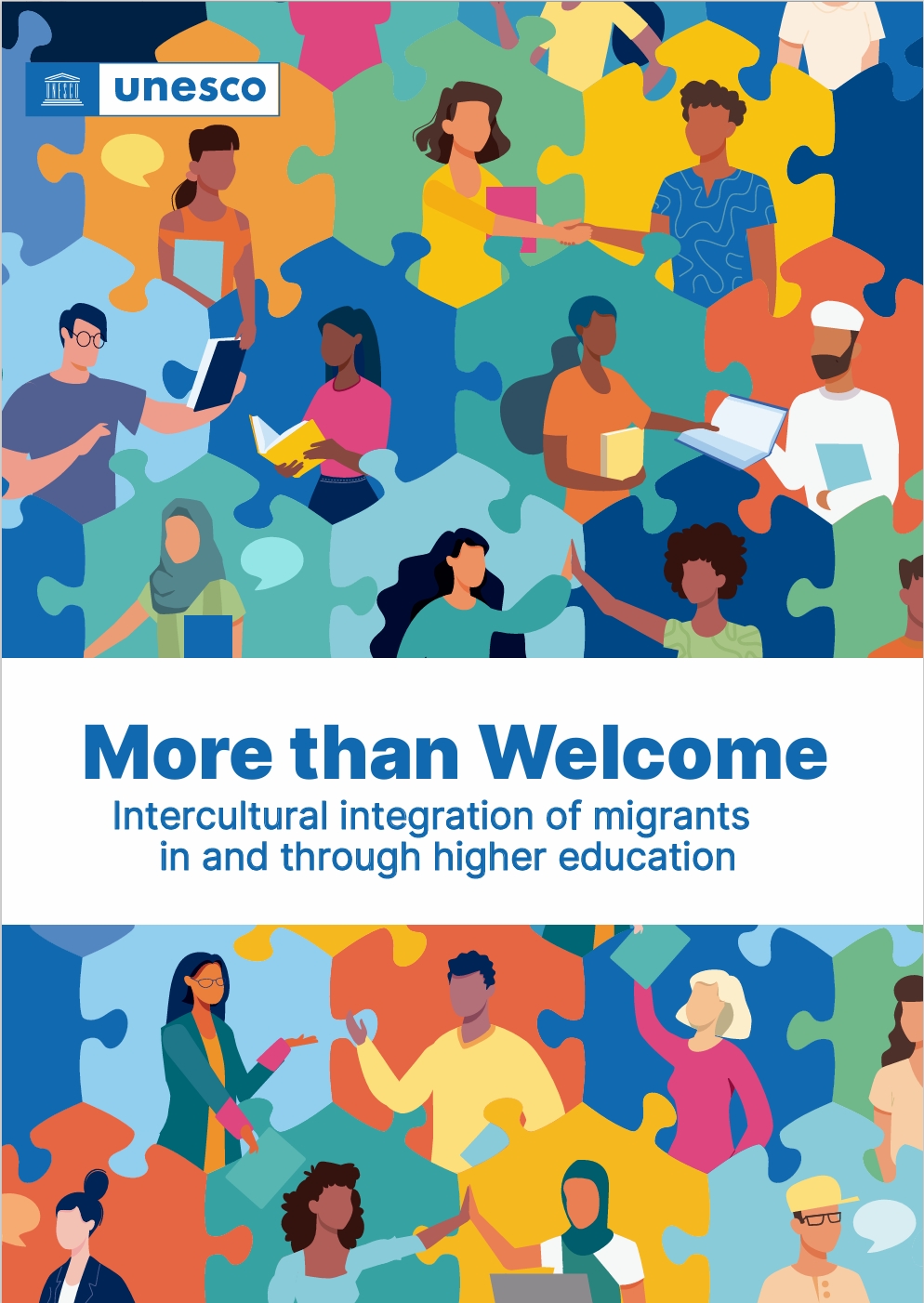 More than Welcome: Intercultural Integration of Migrants in and Through Higher Education