
Addressing Anti-Semitism: why and how? a guide for educators
- 형태사항
- 34p
- 원래 언어
- 영어
- 발행 연도
- 2007
These guidelines provide suggestions for teachers and other educators who feel the need to address issues pertaining to contemporary anti-Semitism. Recognizing that the context may vary in every country, or even in individual classrooms, this document provides educators with a general overview of common manifestations of contemporary anti-Semitism, as well as with some key educational principles and strategies for addressing this complex and challenging subject.
관련 자료
-
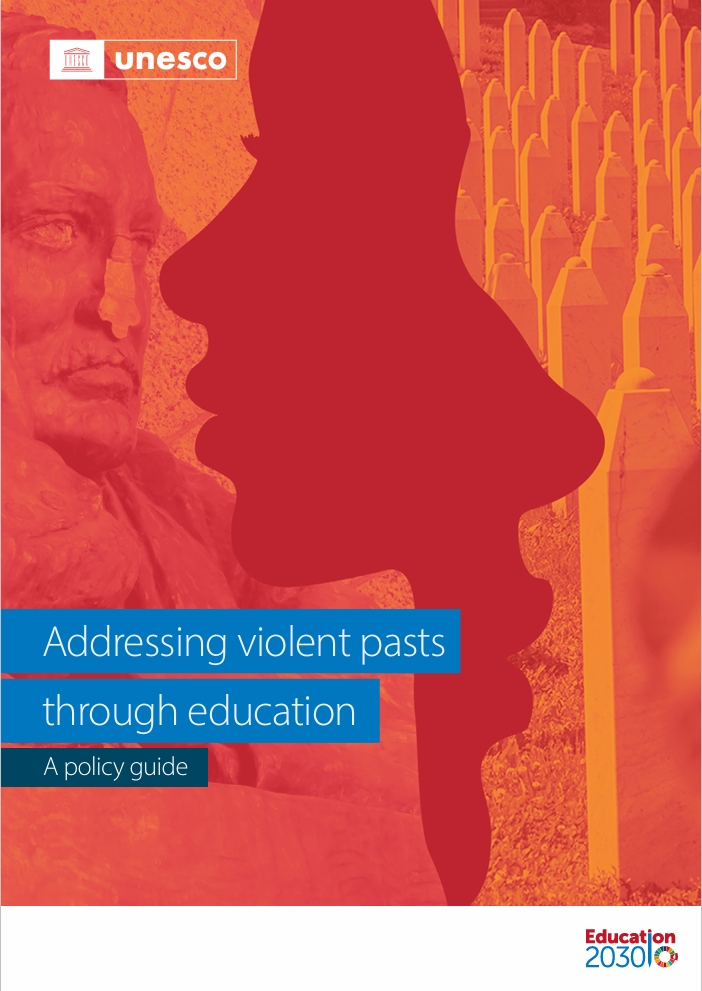 Addressing Violent Pasts through Education: A Policy Guide
 -
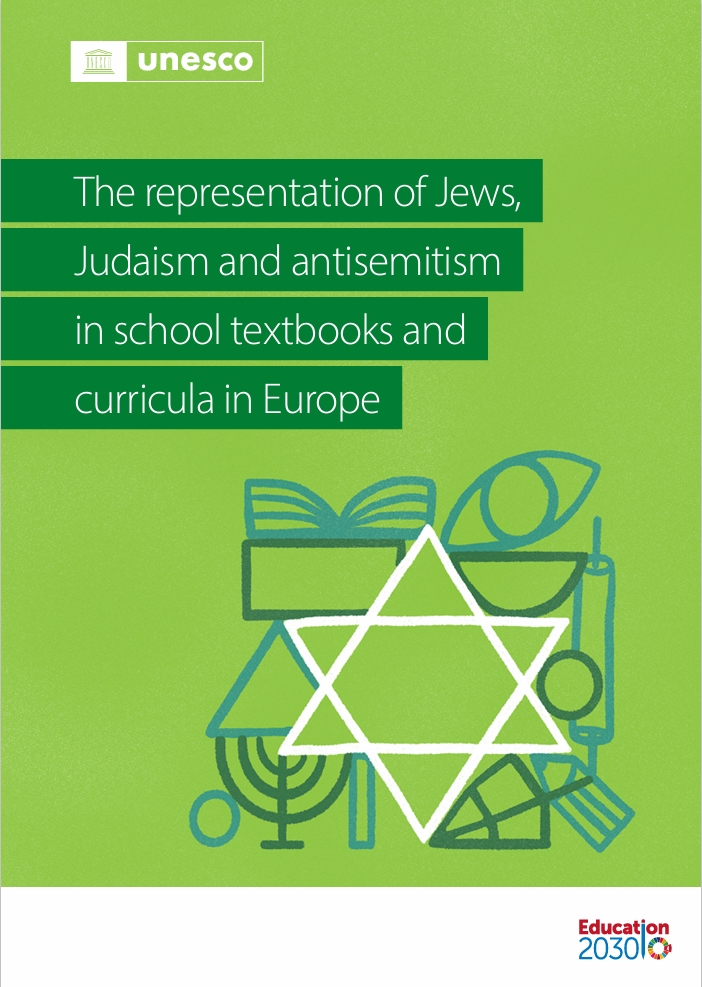 The Representation of Jews, Judaism and Antisemitism in School Textbooks and Curricula in Europe
 -
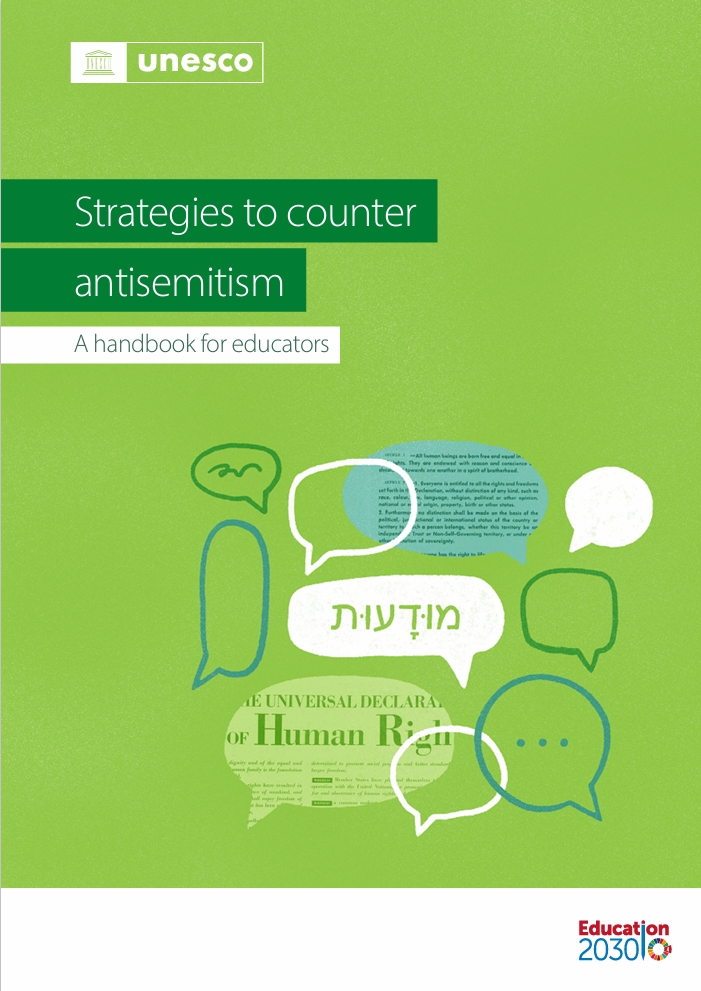 Strategies to Counter Antisemitism: A Handbook for Educators
 -
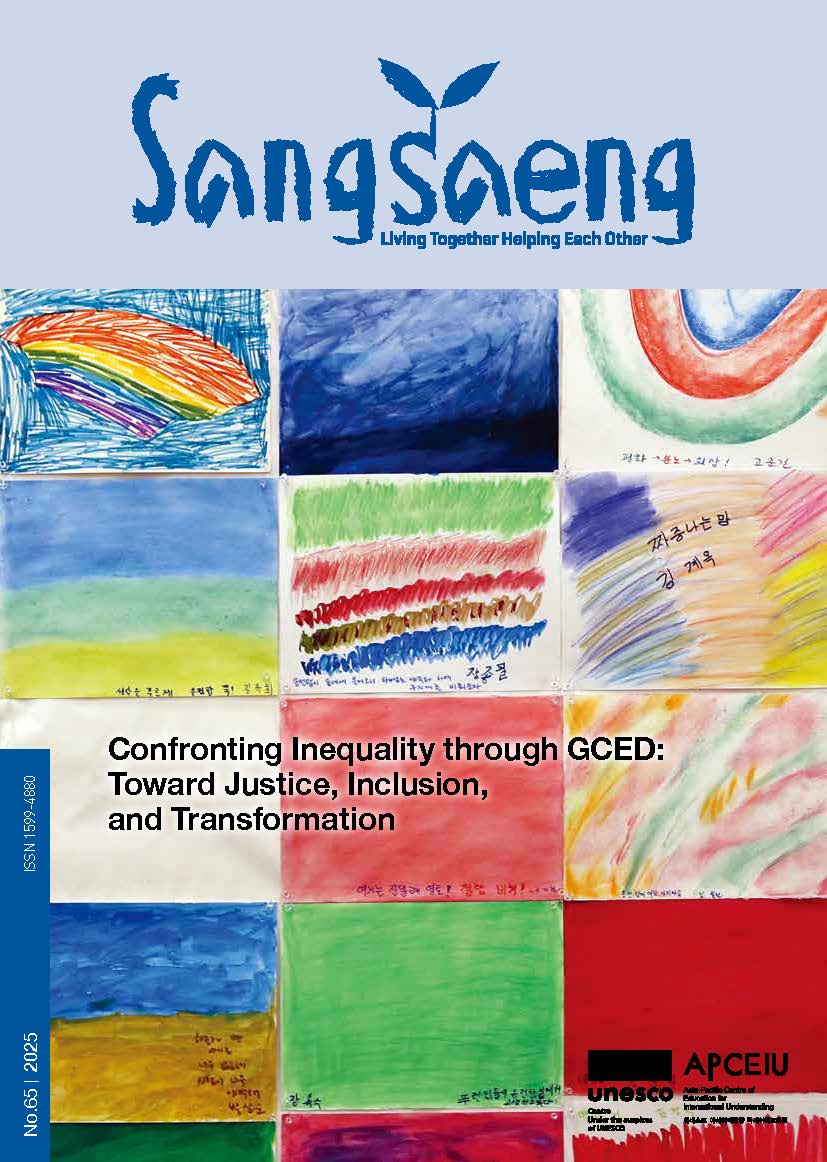 Confronting Inequality through GCED: Toward Justice, Inclusion, and Transformation (SangSaeng; No.65, 2025)