
The Image of the Other in Moroccan Educational Programs between Ambitious Objectives and Limited Efficiency
This study aims to shed light on the image of ‘the Other’ in Moroccan schools’ curricula, at the secondary and preparatory levels, including teachers. The study addresses the image of the Other in of history books and school programs. It attempts to diagnose the nature of the image of the Other in history books using content analysis techniques that is based on the extraction of relevant signs and phrases and classifying them into thematic categories in order to draw a general picture of the Other.
The study used a questionnaire to monitor a sample of among history teachers regarding their representations of the Other. The study tried to provide a set of recommendations and practical suggestions that aim to correct distortions and problems that characterize the current programs. The study advocates a new approach to teaching history that is based on the principles of education on cultural diversity and “tolerance” which should be the regulating framework for values and measures of the educational system in a multicultural society such as the Moroccan society.
관련 자료
-
 IIEP-UNESCO 12th Medium-Term Strategy: 2026–2029
 -
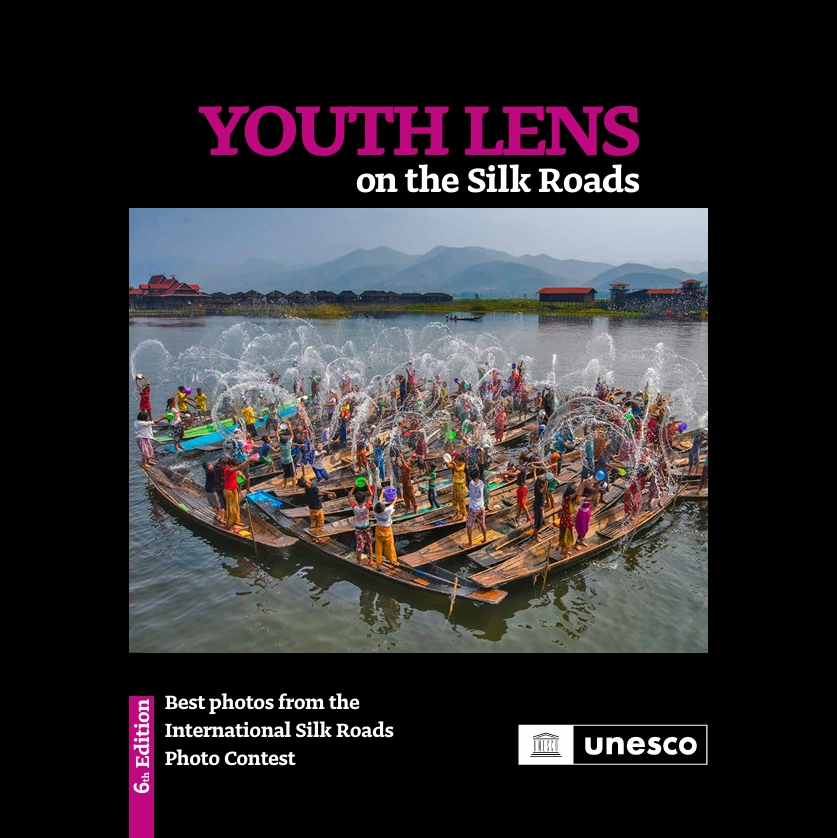 Youth Lens on the Silk Roads: Best Photos from the International Silk Roads Photo Contest; 6th Edition
 -
 Advancing Intergenerational Learning: Identifying Challenges and Opportunities for Older Adults; Integrated Case Study Report
 -
 Digital Empowerment for Lifelong Learning and Transformative Andragogy (DELTA) for Adult Educators: Introduction to the DELTA Framework and Resources