
Securitising Education to Prevent Terrorism or Losing Direction?
- 저자
- Bill Durodie
- 형태사항
- 14p
- 원래 언어
- 영어
- 발행 연도
- 2016
This article examines the growing relationship between security and education, particularly in the light of the UK government’s Prevent Duty that seeks to tackle radicalization in a variety of milieus, including universities. However, rather than seeing this process as being merely one-way, through a so-called securitization of education, what is explored here is the dialectic between these two spheres. It is suggested that a heightened sensitivity to the supposed consequences of inflammatory rhetoric on the well-being of supposedly suggestible or vulnerable students has been in existence within education for quite some time.
관련 자료
-
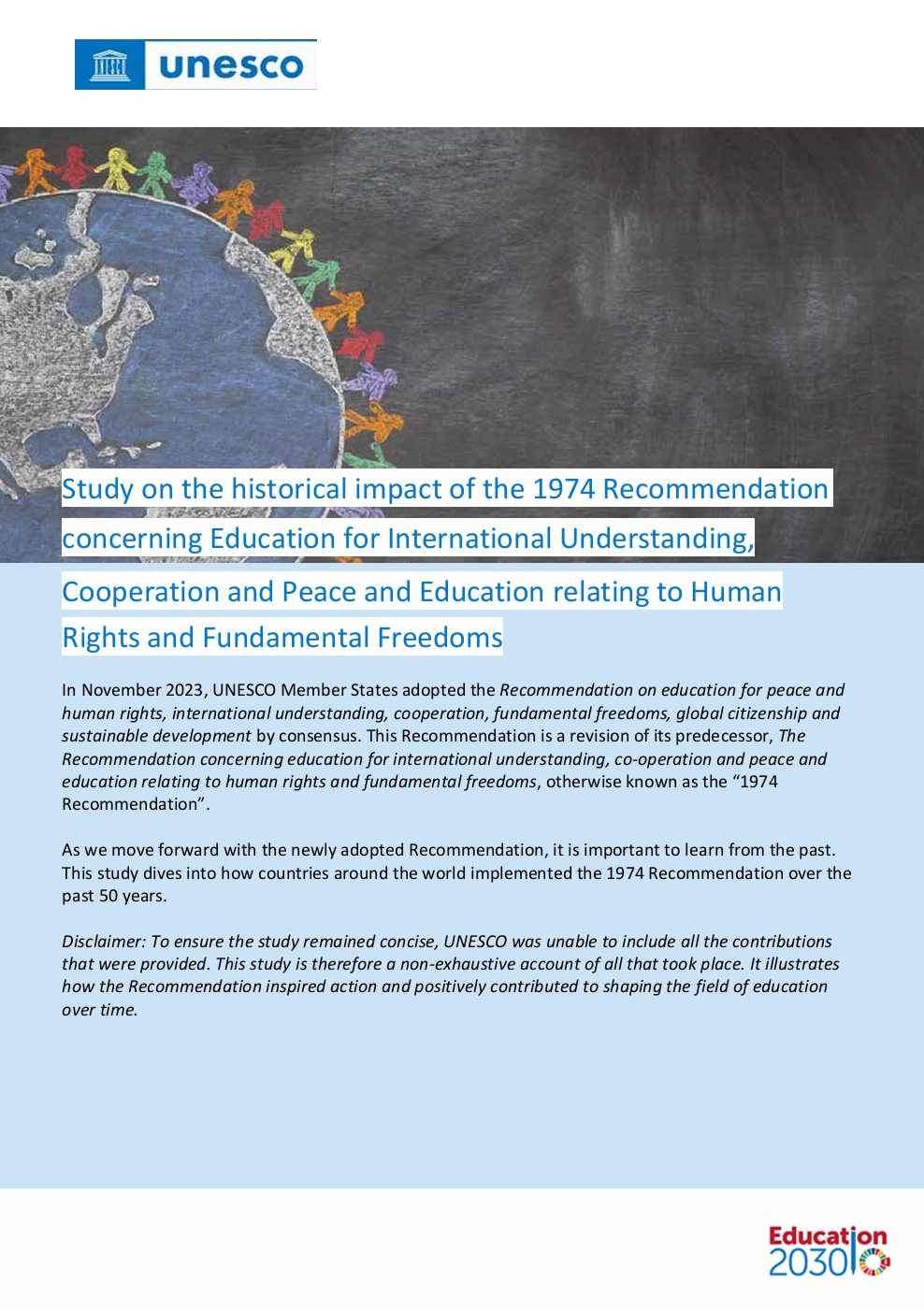 Study on the Historical Impact of the 1974 Recommendation concerning Education for International Understanding, Cooperation and Peace and Education relating to Human Rights and Fundamental Freedoms
 -
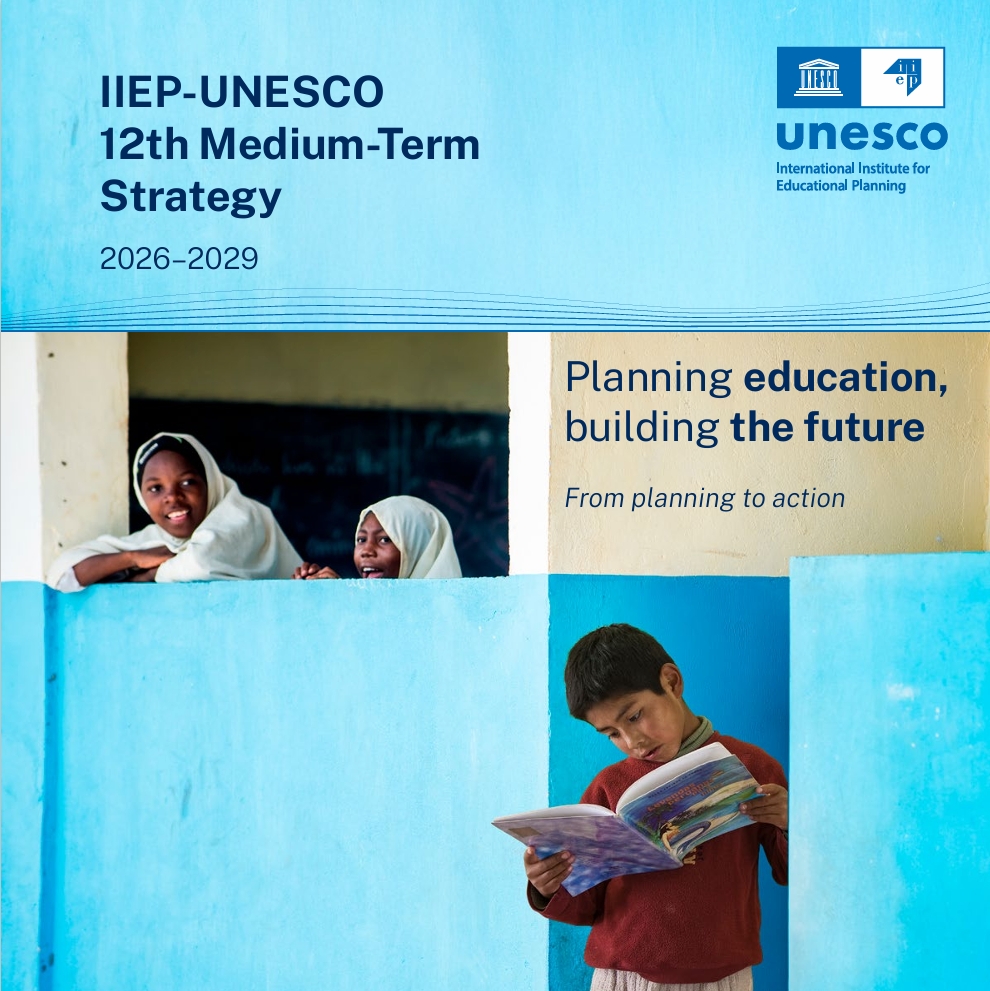 IIEP-UNESCO 12th Medium-Term Strategy: 2026–2029
 -
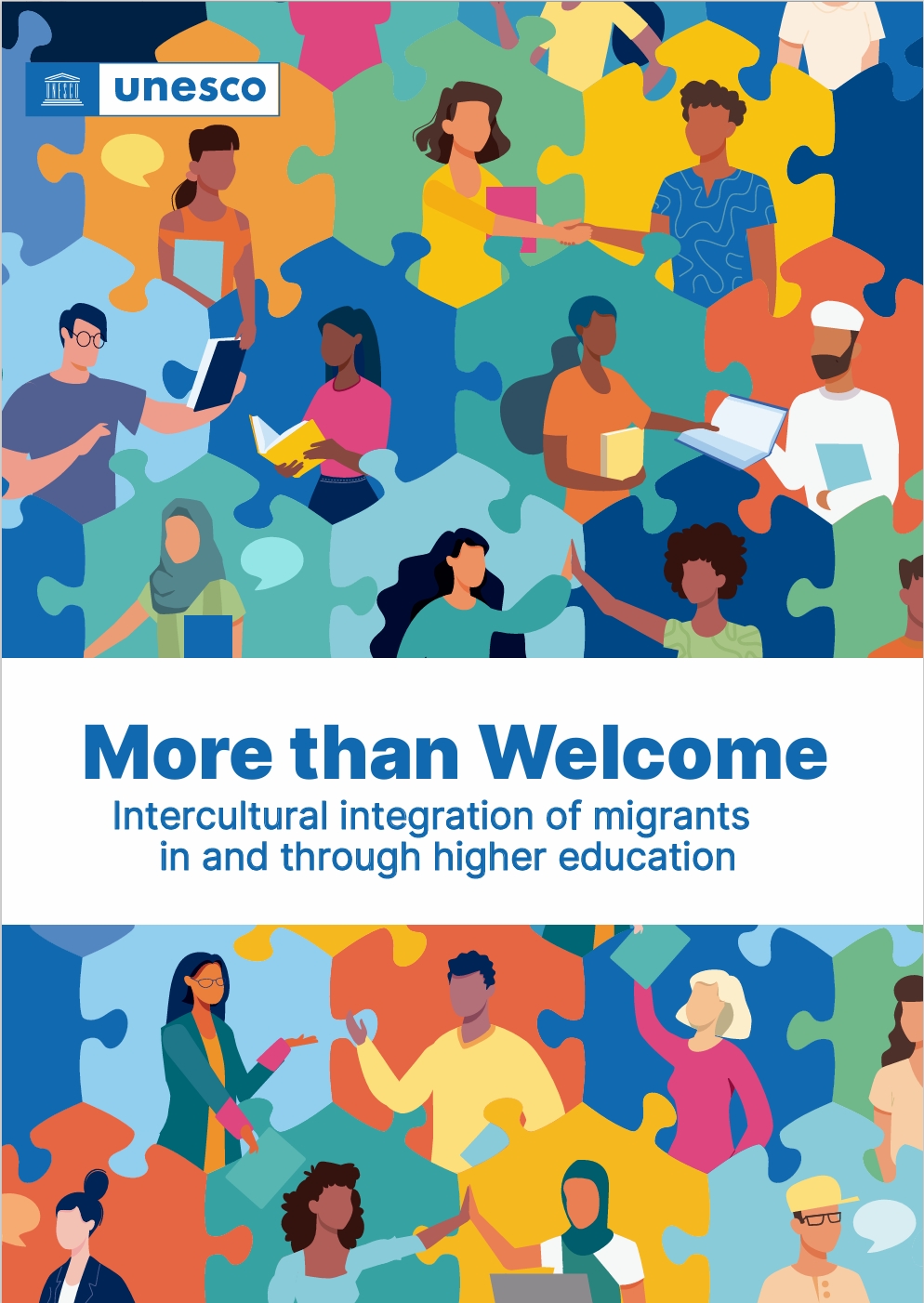 More than Welcome: Intercultural Integration of Migrants in and Through Higher Education
 -
 Advancing Intergenerational Learning: Identifying Challenges and Opportunities for Older Adults; Integrated Case Study Report