
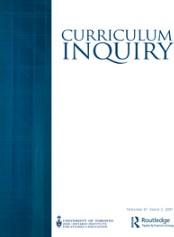
Interrupting Extremism by Creating Educative Turbulence
- 저자
- Lynn Davies
- 단체 저자
- Curriculum Inquiry
- 형태사항
- 18p
- 원래 언어
- 영어
- 발행 연도
- 2014
This article begins from the premise that it is important to explore how people unlearn, as well as learn, specifically in terms of extremist or violent attitudes. Three different country examples are given of intergroup encounters that interrupt rigidities in attitudes: working across ethnic groups in Sri Lanka, tackling religious divides in Northern Ireland through shared classes, and initiatives to prevent violent extremism in the United Kingdom. Pedagogical implications of unlearning involve working with the four Ds of deradicalization, debiasing, disengagement and desistence.
관련 자료
-
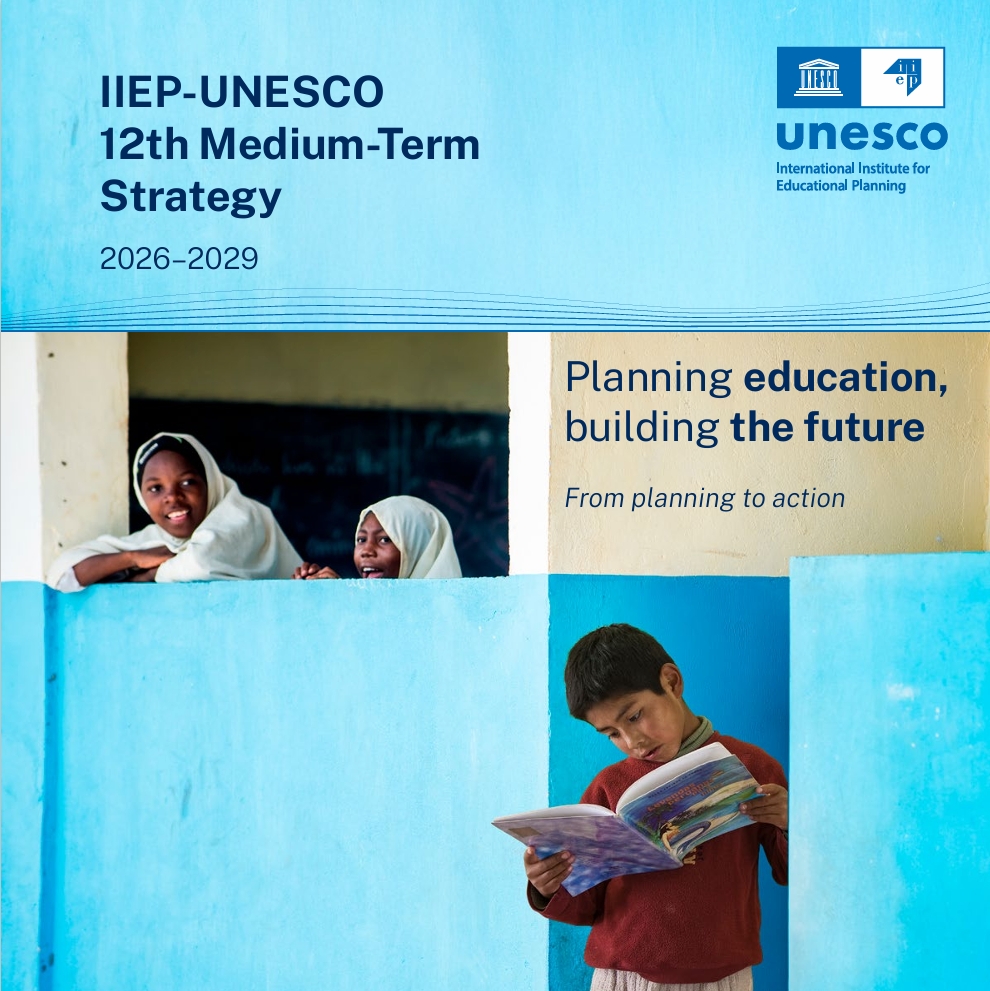 IIEP-UNESCO 12th Medium-Term Strategy: 2026–2029
 -
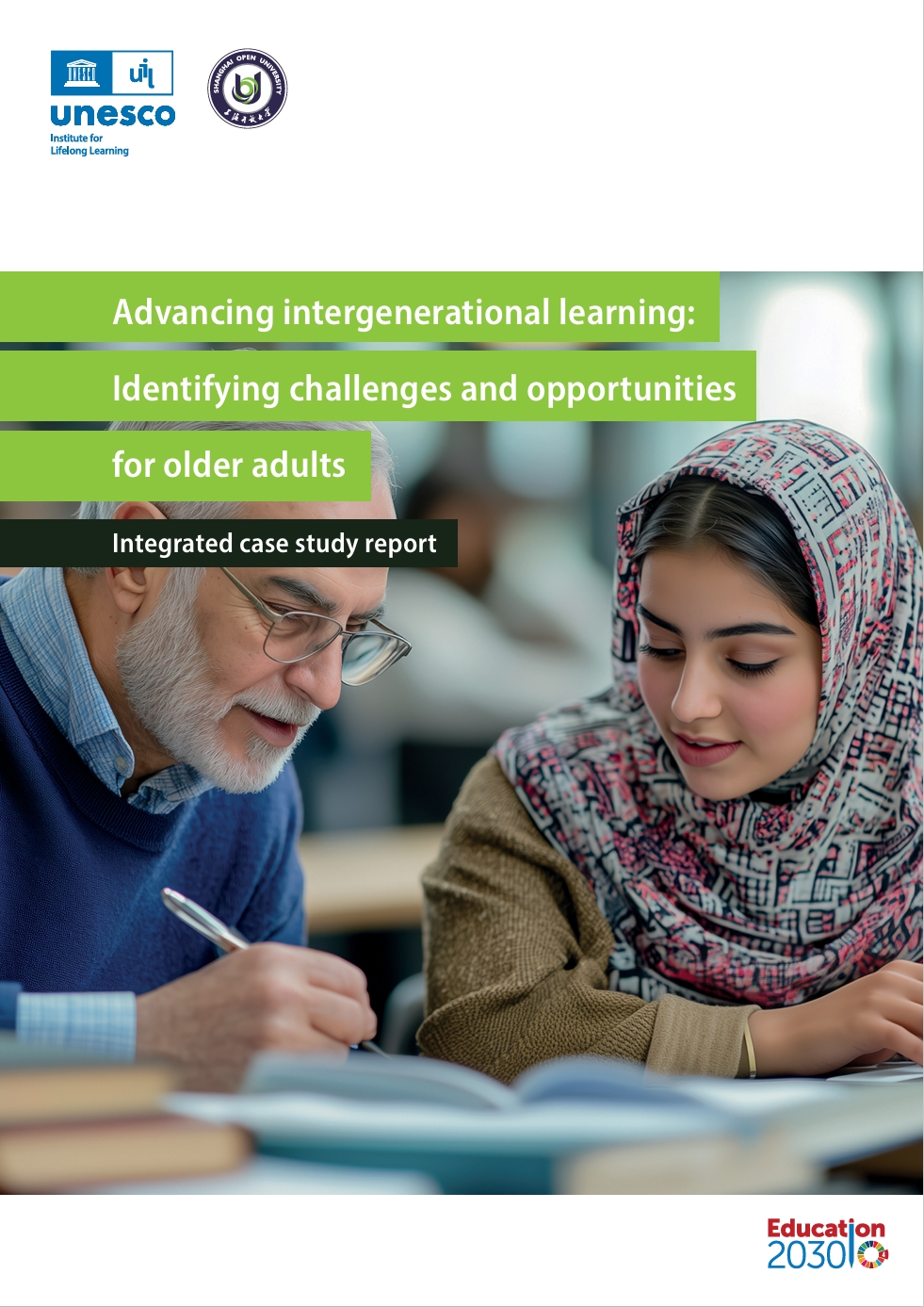 Advancing Intergenerational Learning: Identifying Challenges and Opportunities for Older Adults; Integrated Case Study Report
 -
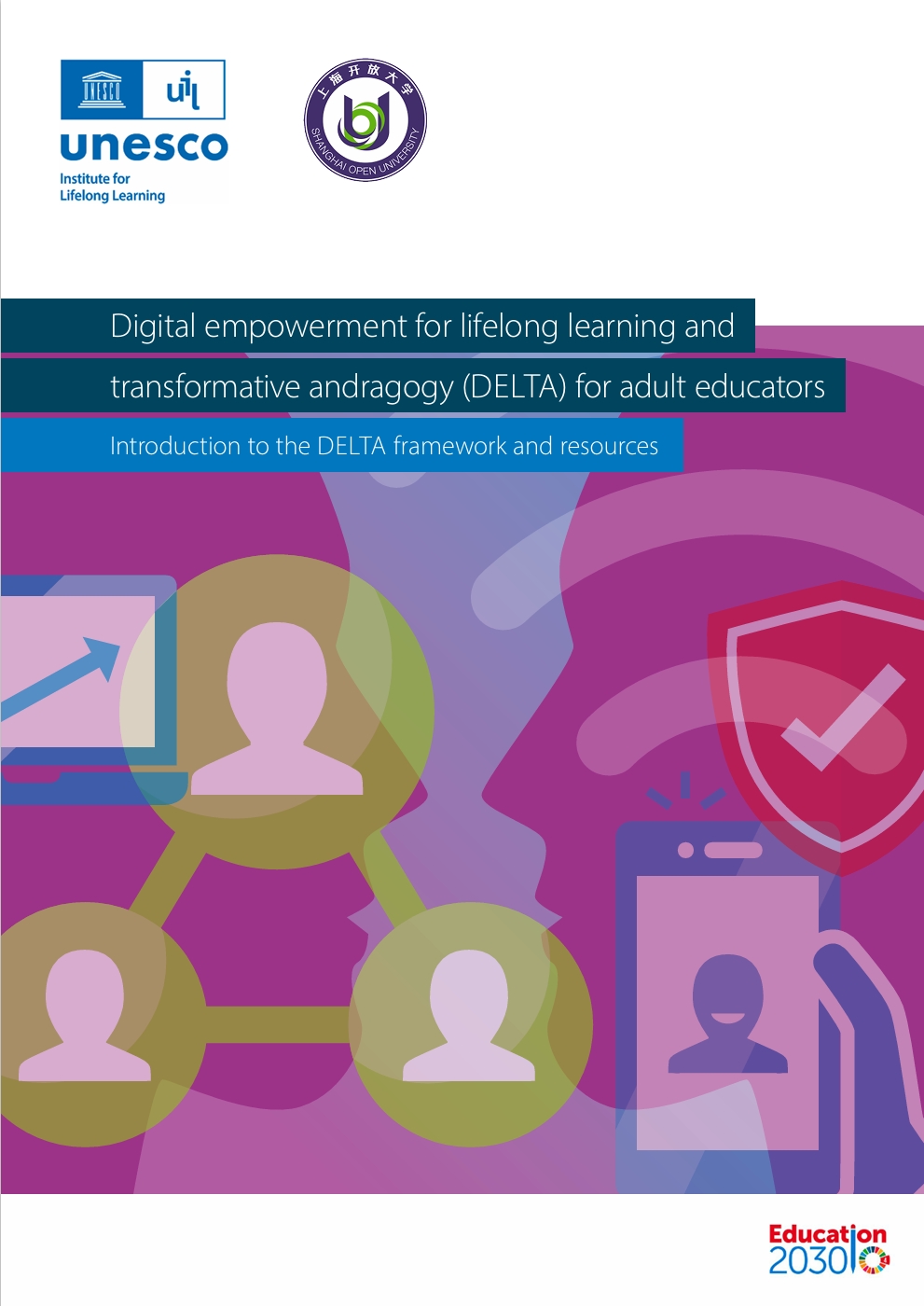 Digital Empowerment for Lifelong Learning and Transformative Andragogy (DELTA) for Adult Educators: Introduction to the DELTA Framework and Resources
 -
 Bridging the Grey Digital Divide: Enhancing ICT Learning for Older Adults; Research Report