
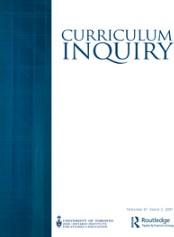
Interrupting Extremism by Creating Educative Turbulence
- Автор
- Lynn Davies
- Корпоративный автор
- Curriculum Inquiry
- Колляция
- 18p
- Язык ресурса
- Английский
- Год публикации
- 2014
- Тема
- Гражданственность / Гражданство / ДемократияПредотвращение насильственного экстремизма и геноцидаТрансформационные инициативы / Трансформационные педагогики
- Тип ресурса
- Исследовательские работы / журнальные статьи
- Уровень образования
- Среднее образованиеВысшее образованиеТехническое и профессиональное образование и обучениеДругое
- Регион
- Глобальный
- Место публикации
- Toronto
This article begins from the premise that it is important to explore how people unlearn, as well as learn, specifically in terms of extremist or violent attitudes. Three different country examples are given of intergroup encounters that interrupt rigidities in attitudes: working across ethnic groups in Sri Lanka, tackling religious divides in Northern Ireland through shared classes, and initiatives to prevent violent extremism in the United Kingdom. Pedagogical implications of unlearning involve working with the four Ds of deradicalization, debiasing, disengagement and desistence.
Связанные ресурсы
-
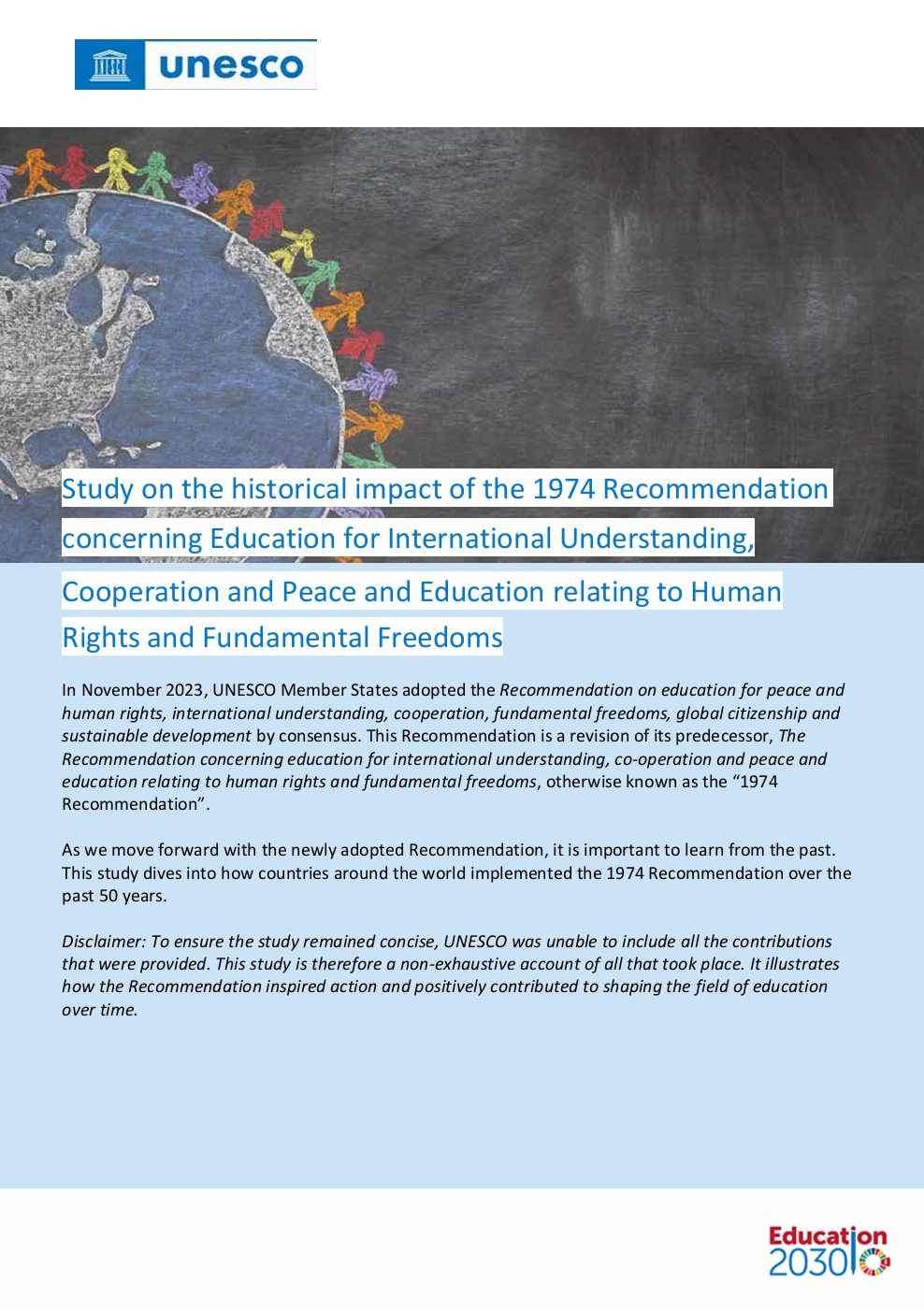 Study on the Historical Impact of the 1974 Recommendation concerning Education for International Understanding, Cooperation and Peace and Education relating to Human Rights and Fundamental Freedoms
 -
 IIEP-UNESCO 12th Medium-Term Strategy: 2026–2029
 -
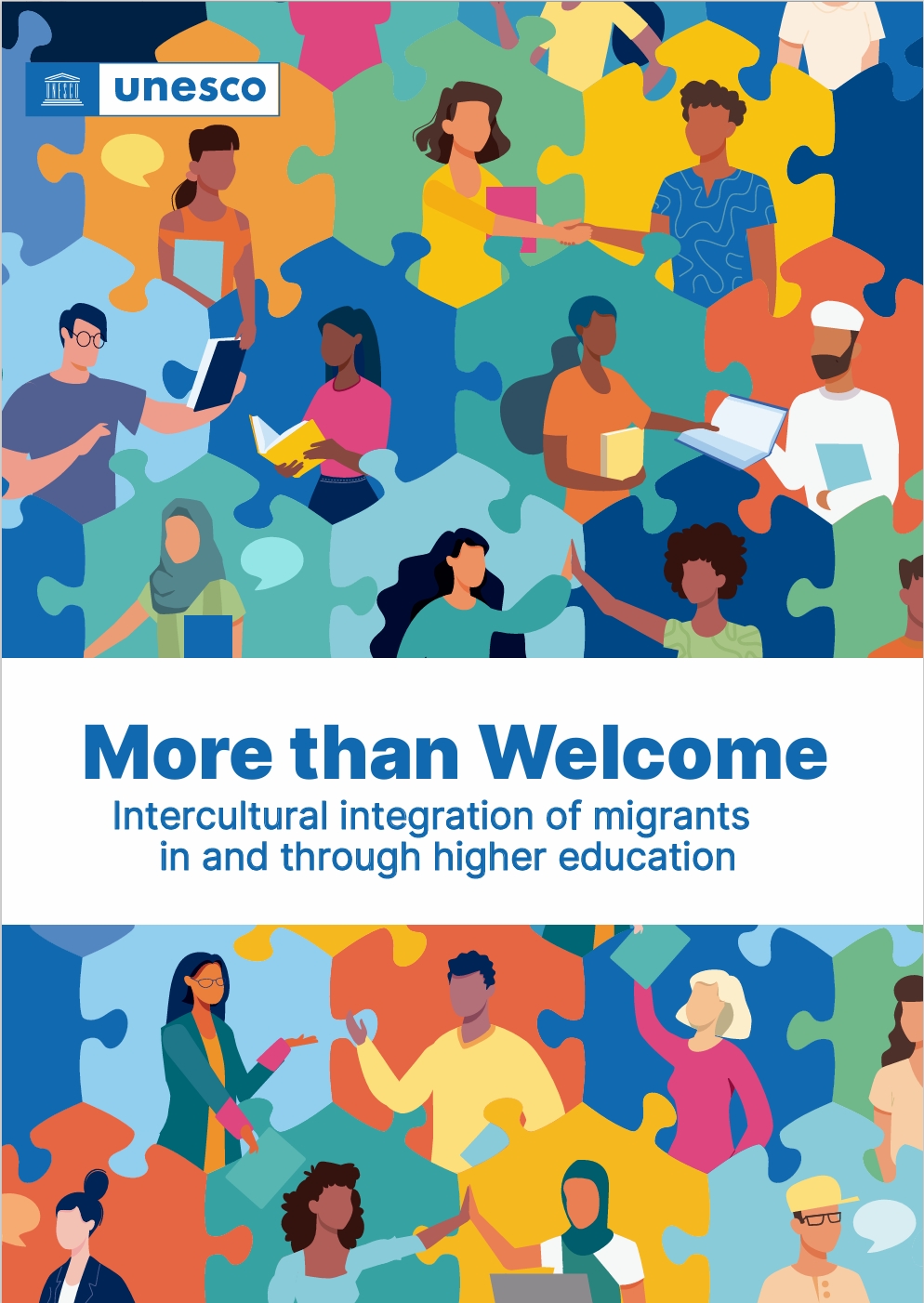 More than Welcome: Intercultural Integration of Migrants in and Through Higher Education
 -
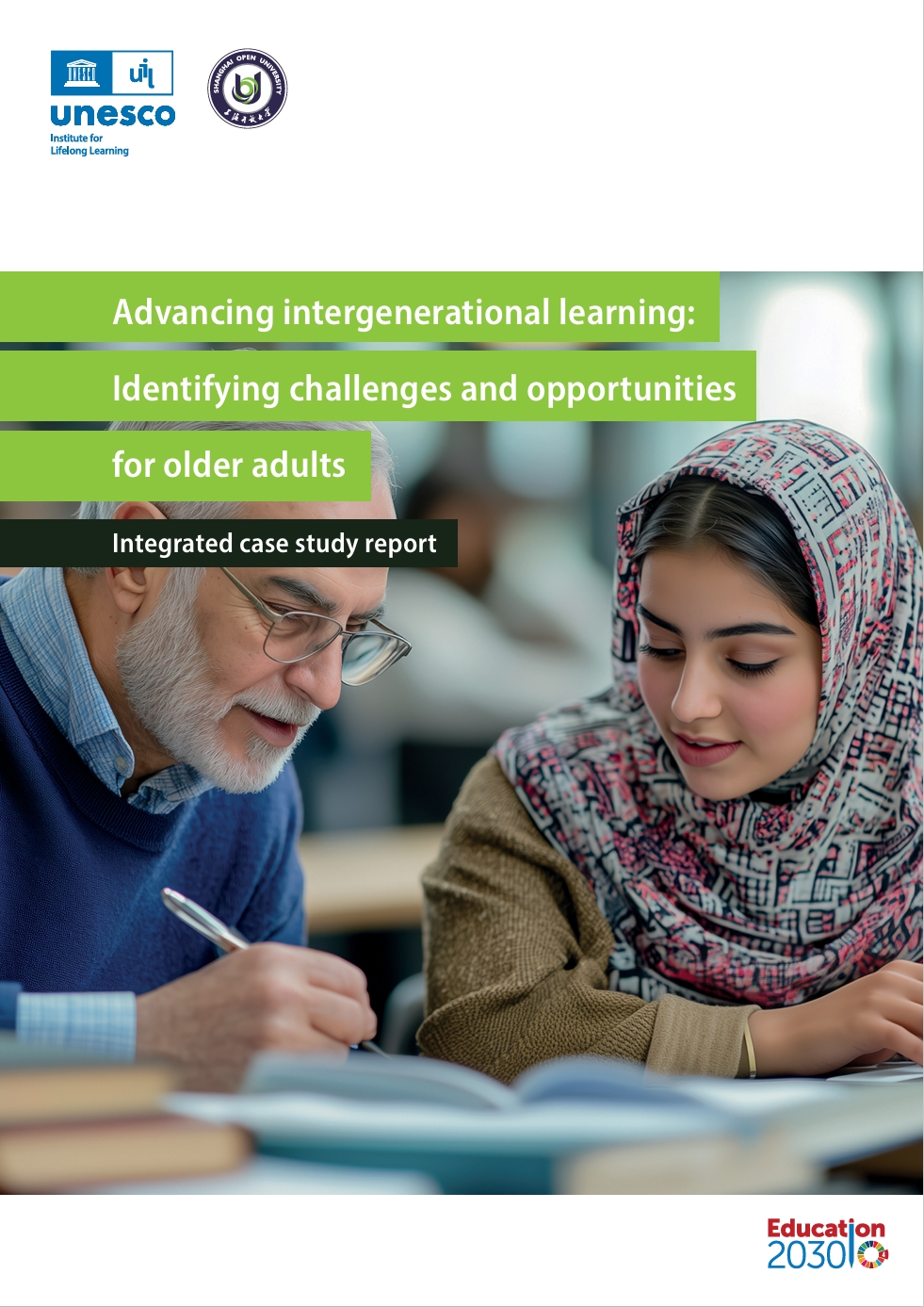 Advancing Intergenerational Learning: Identifying Challenges and Opportunities for Older Adults; Integrated Case Study Report