
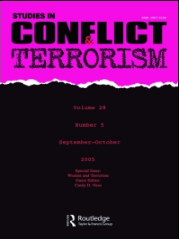
Moral Disengagement and Building Resilience to Violent Extremism: An Education Intervention
- 단체 저자
- Taylor & Francis
- 형태사항
- 17p
- 원래 언어
- 영어
- 발행 연도
- 2014
This article reports on the development of an education intervention, the Beyond Bali Education Resource funded by the Australian Governments’ Building Community Resilience Grants of the Federal Attorney General's Department, that applies a conceptual framework grounded in moral disengagement theory. The theory of moral disengagement has been applied to the study of radicalization to violent extremism to explain how individuals can cognitively reconstruct the moral value of violence and carry out inhumane acts.
관련 자료
-
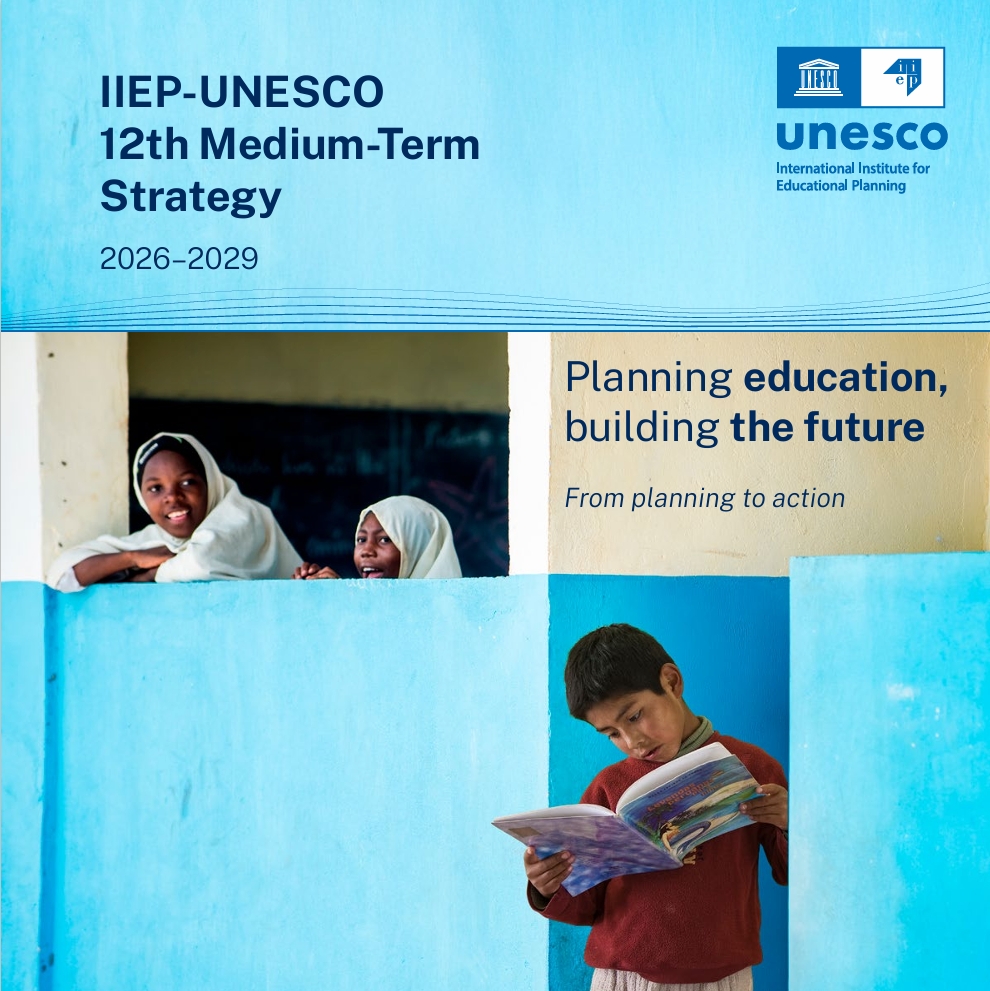 IIEP-UNESCO 12th Medium-Term Strategy: 2026–2029
 -
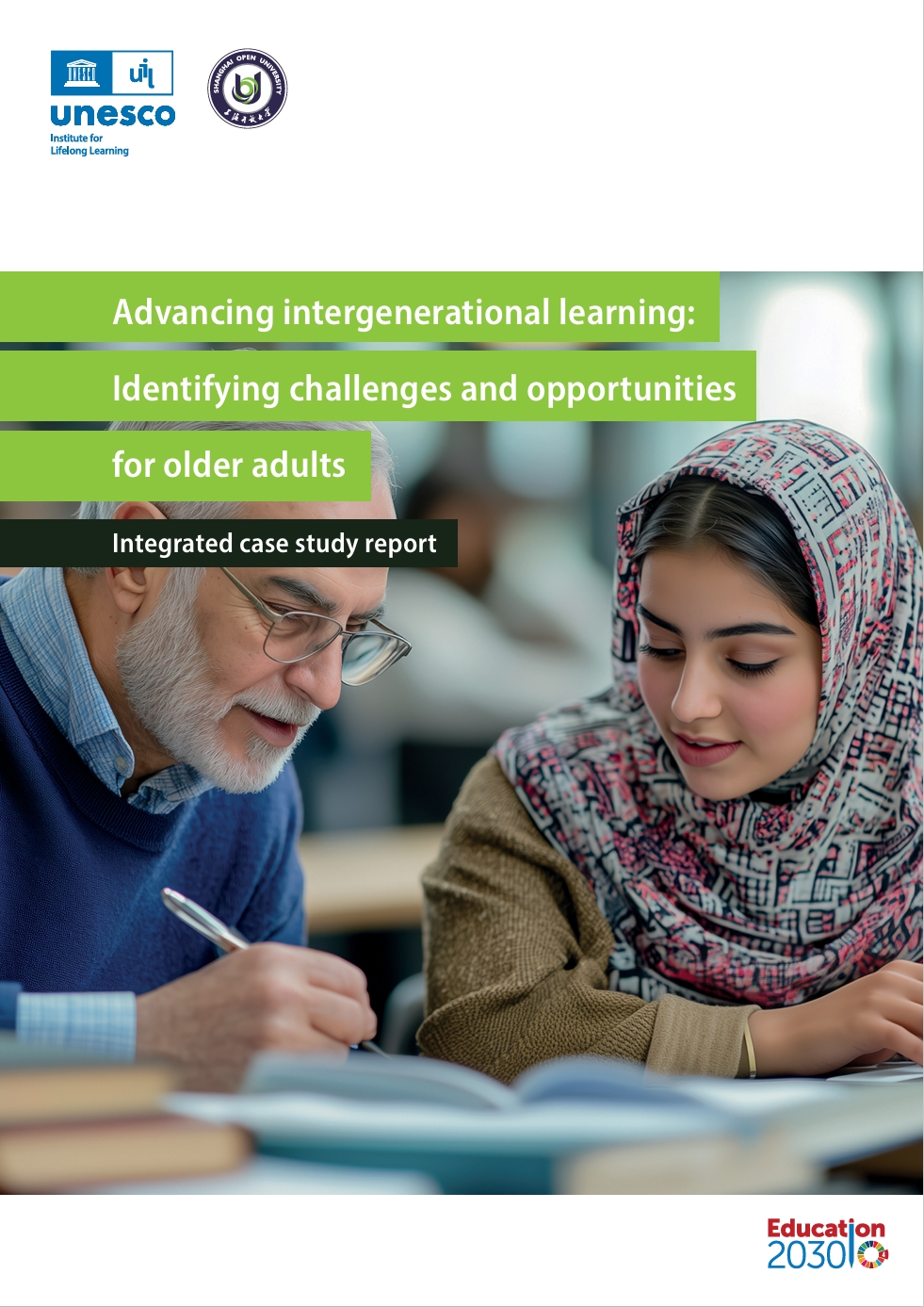 Advancing Intergenerational Learning: Identifying Challenges and Opportunities for Older Adults; Integrated Case Study Report
 -
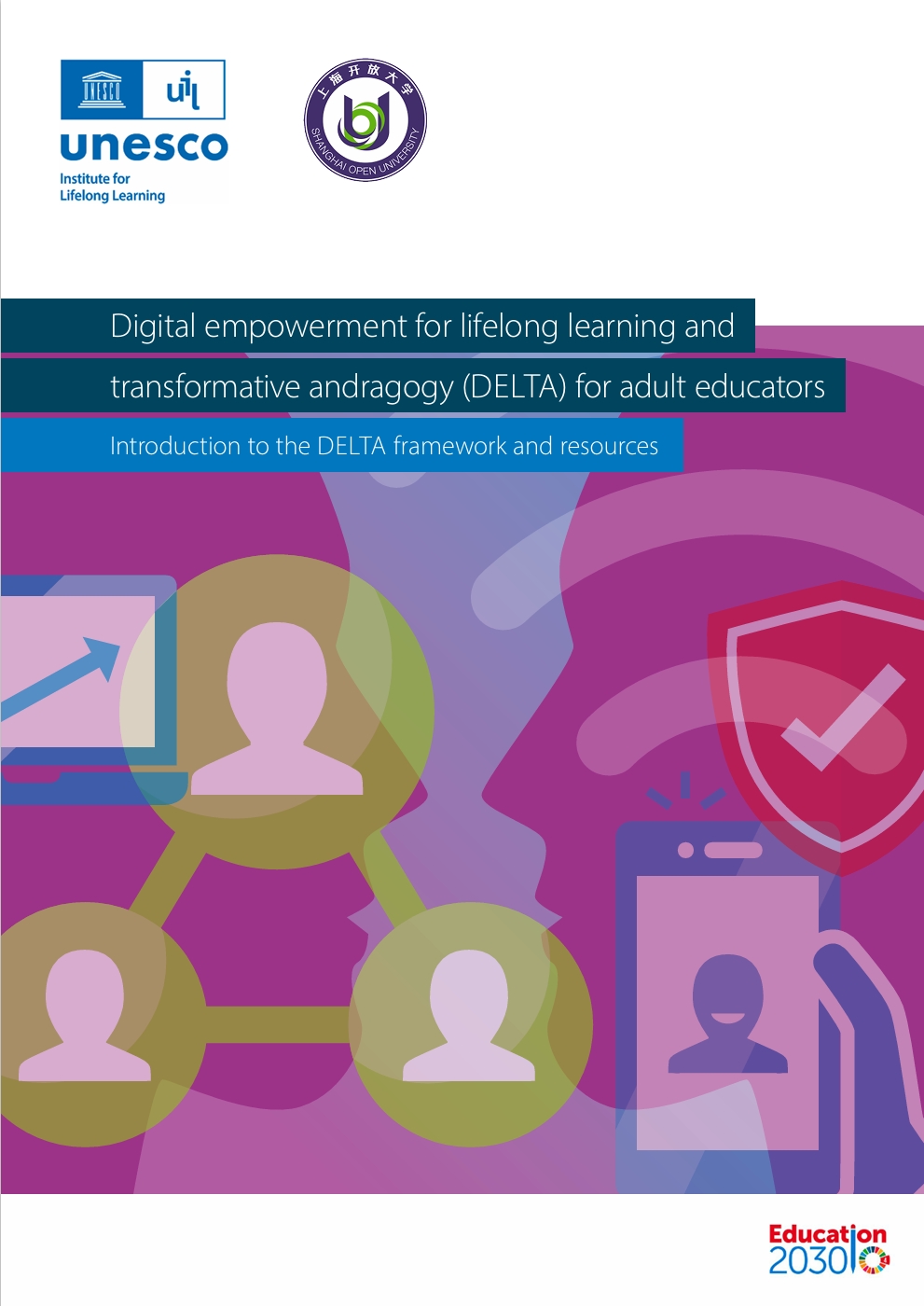 Digital Empowerment for Lifelong Learning and Transformative Andragogy (DELTA) for Adult Educators: Introduction to the DELTA Framework and Resources
 -
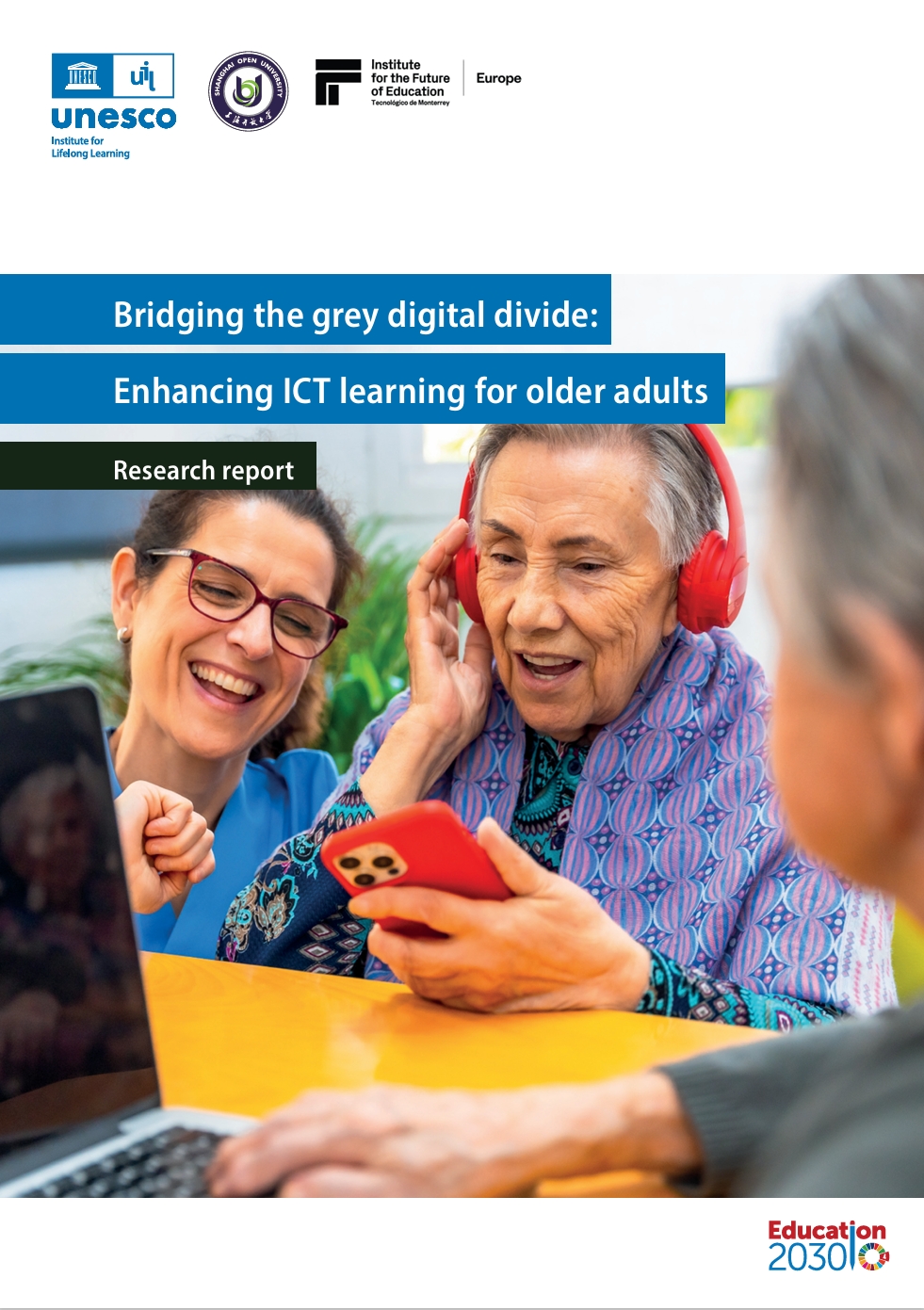 Bridging the Grey Digital Divide: Enhancing ICT Learning for Older Adults; Research Report