
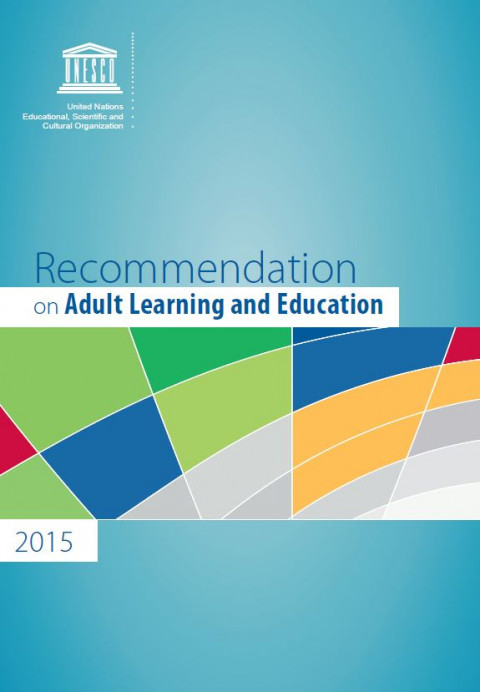
Recommendation on Adult Learning and Education, 2015
- 형태사항
- 14 p.
- 원래 언어
- 영어프랑스어스페인어러시아어아랍어중국어포르투갈어
- 발행 연도
- 2016
The Recommendation on Adult Learning and Education was adopted at the 38th Session of the UNESCO General Conference in November 2015. The Recommendation supports the Education 2030 Framework for Action, reflects global trends, and will guide the transformation and expansion of equitable learning opportunities for youth and adults. The 2015 Recommendation takes a comprehensive and systematic approach to ALE, defining three key domains of learning and skills: literacy and basic skills; continuing education and vocational skills; as well as liberal, popular and community education and citizenship skills.
It also describes five transversal areas of action: policy; governance; financing; participation, inclusion and equity; and quality. These areas of action were already introduced to the international community in the Belém Framework for Action, adopted at CONFINTEA in 2009 as a means of guiding Member States in improving ALE. This integrative and consistent approach to ALE will help Member States to ensure inclusive and equitable quality education and promote lifelong learning opportunities for all (Sustainable Development Goal 4).
관련 자료
-
 IIEP-UNESCO 12th Medium-Term Strategy: 2026–2029
 -
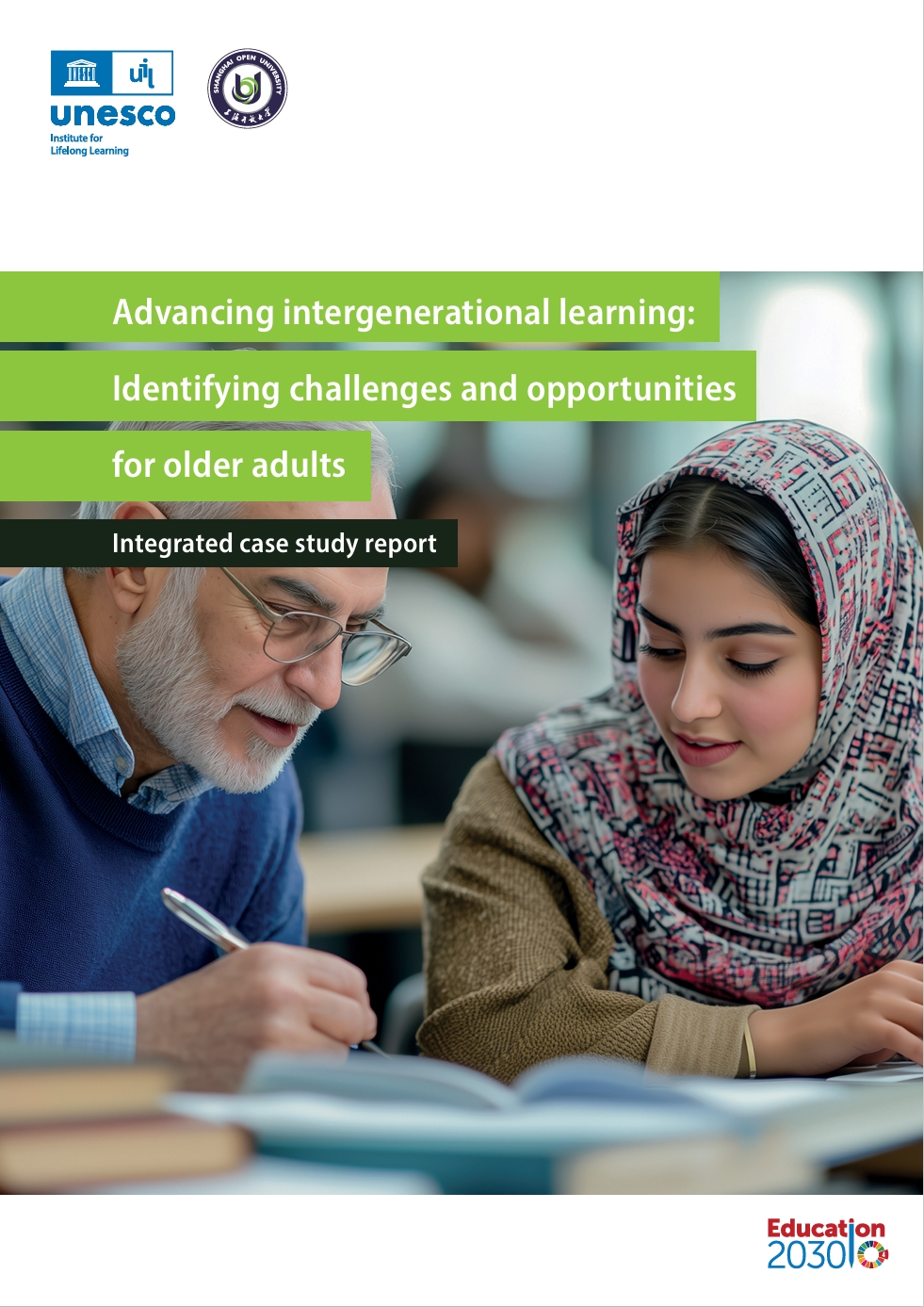 Advancing Intergenerational Learning: Identifying Challenges and Opportunities for Older Adults; Integrated Case Study Report
 -
 Digital Empowerment for Lifelong Learning and Transformative Andragogy (DELTA) for Adult Educators: Introduction to the DELTA Framework and Resources
 -
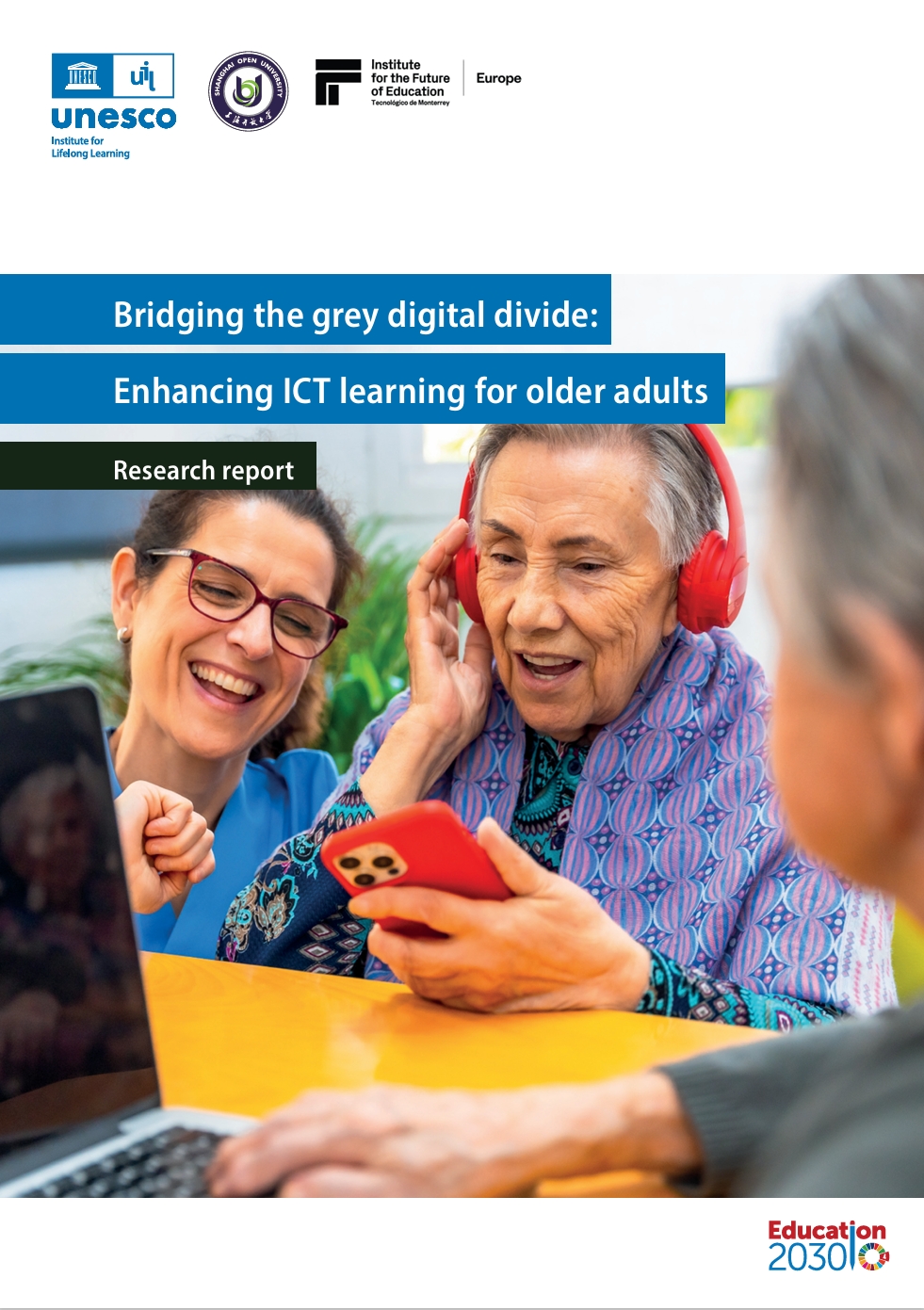 Bridging the Grey Digital Divide: Enhancing ICT Learning for Older Adults; Research Report