
World Development Report 2018 and Its Policy Implications for Education Development in China
2018 comprehensively describes a crisis that is looming worldwide: Schooling does not equalize learning. Drawing on key insights from the report, this study provides a high—level summary and relates the findings to common and critical issues that China is today. Specifically, this study highlights five important policy implications for education development in China: Education quality monitoring, adaptive policies, evidence-based decision, expanding human capital investments, and building stronger ties with international organizations.
관련 자료
-
 IIEP-UNESCO 12th Medium-Term Strategy: 2026–2029
 -
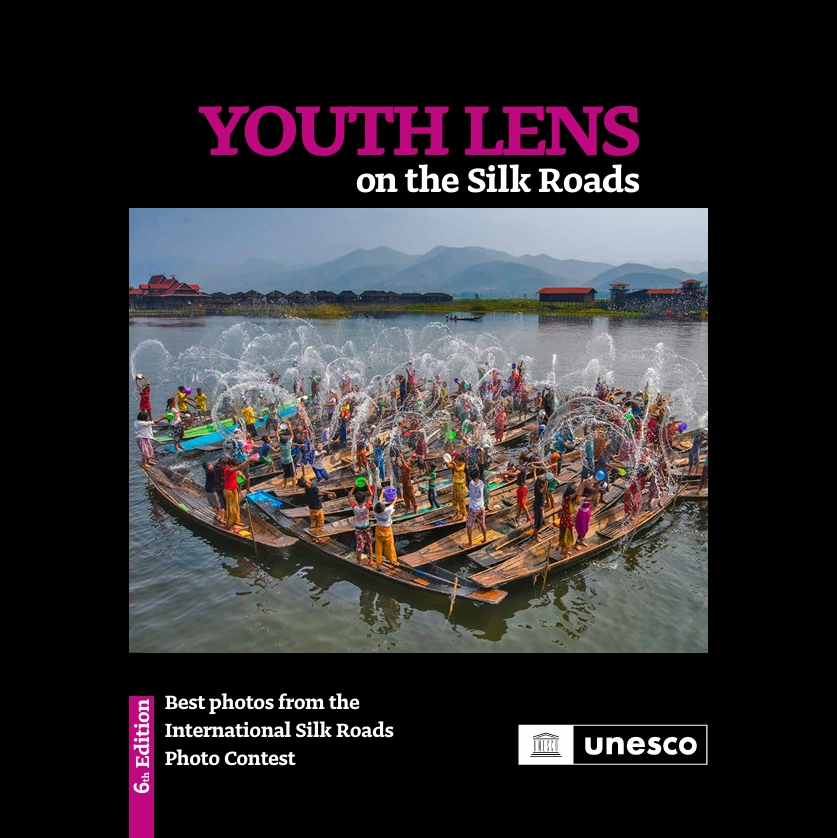 Youth Lens on the Silk Roads: Best Photos from the International Silk Roads Photo Contest; 6th Edition
 -
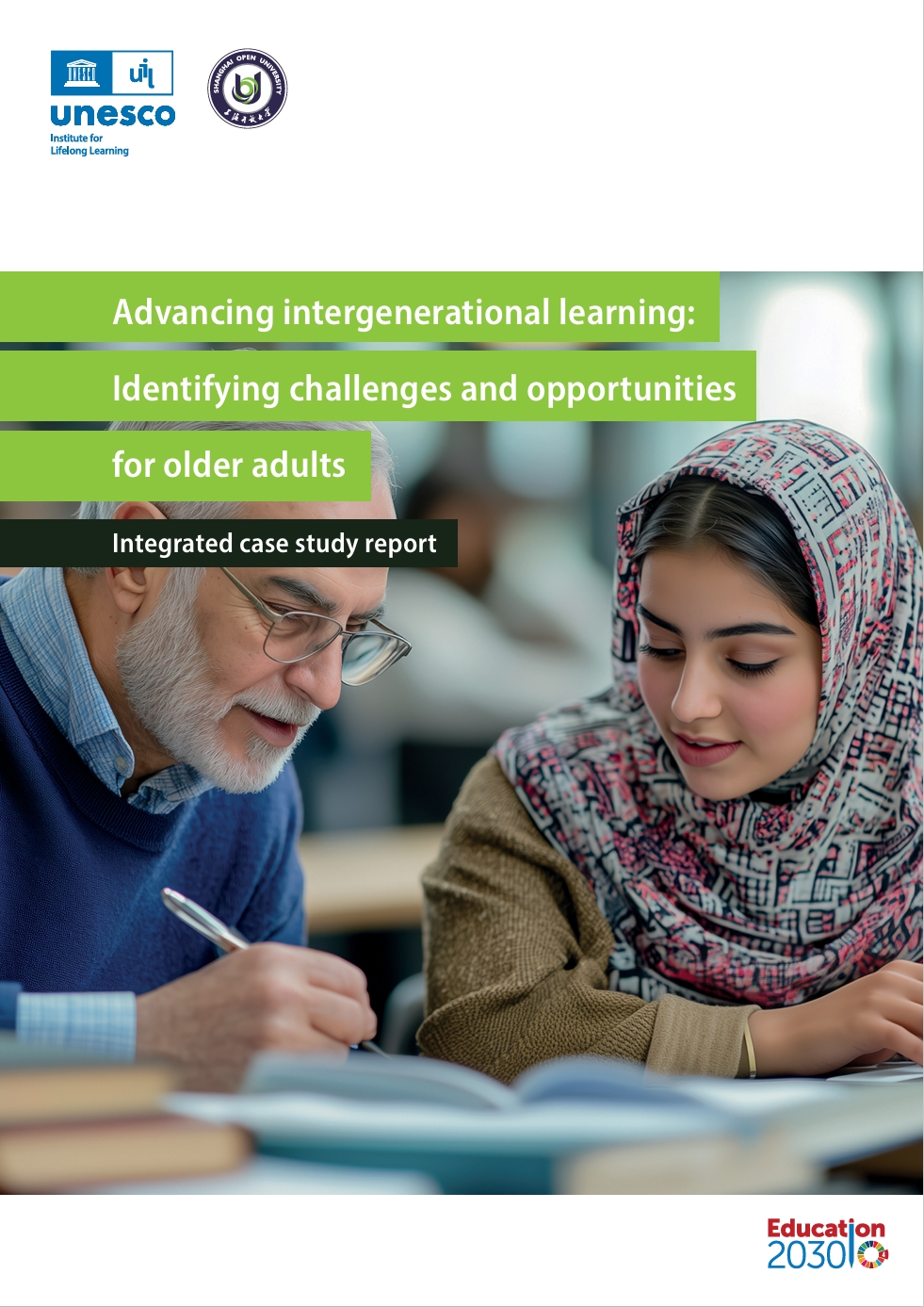 Advancing Intergenerational Learning: Identifying Challenges and Opportunities for Older Adults; Integrated Case Study Report
 -
 Digital Empowerment for Lifelong Learning and Transformative Andragogy (DELTA) for Adult Educators: Introduction to the DELTA Framework and Resources