

Multilingual education: Why is it important? How to implement it?
Mother tongue instruction is in the context of bilingual education / multilingual education (MLE) because it lays a solid foundation for learning, improves access to education (especially for girls), improves learning outcomes, raises the quality of education by emphasizing understanding and creativity rather than repetitive memorization. Furthermore, learners who are excluded from the education system are those who mosk likely benefit from multilingual education. There are several ways to implement MLE, such as by creating a favourable environment, using appropriate materials, training teachers and educators, and taking into account the learners' knowledge.
관련 자료
-
 Report on Digital Transformation in Higher Education in South Asia
 -
 Voices Against Violence: Middle Years
 -
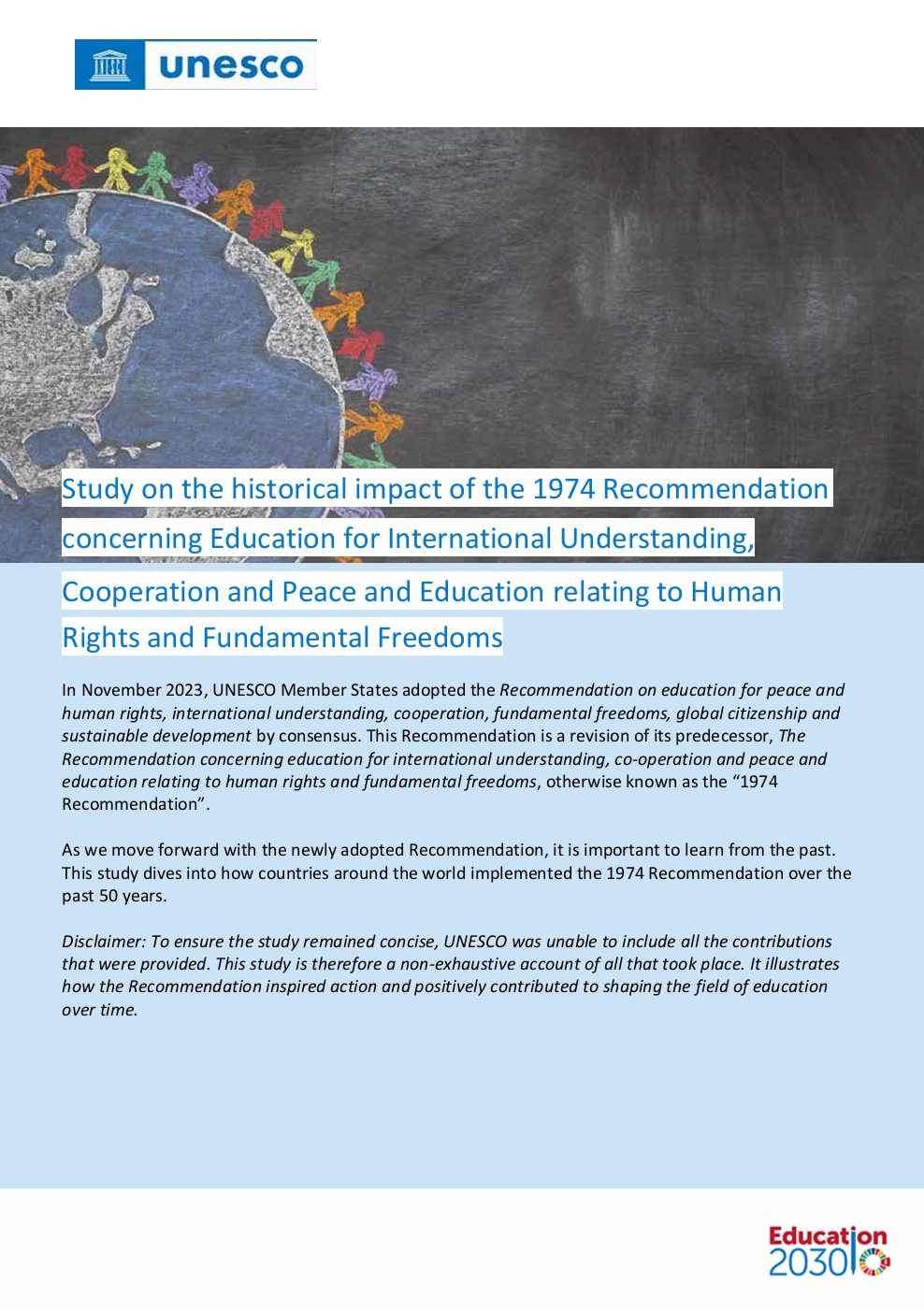 Study on the Historical Impact of the 1974 Recommendation concerning Education for International Understanding, Cooperation and Peace and Education relating to Human Rights and Fundamental Freedoms
 -
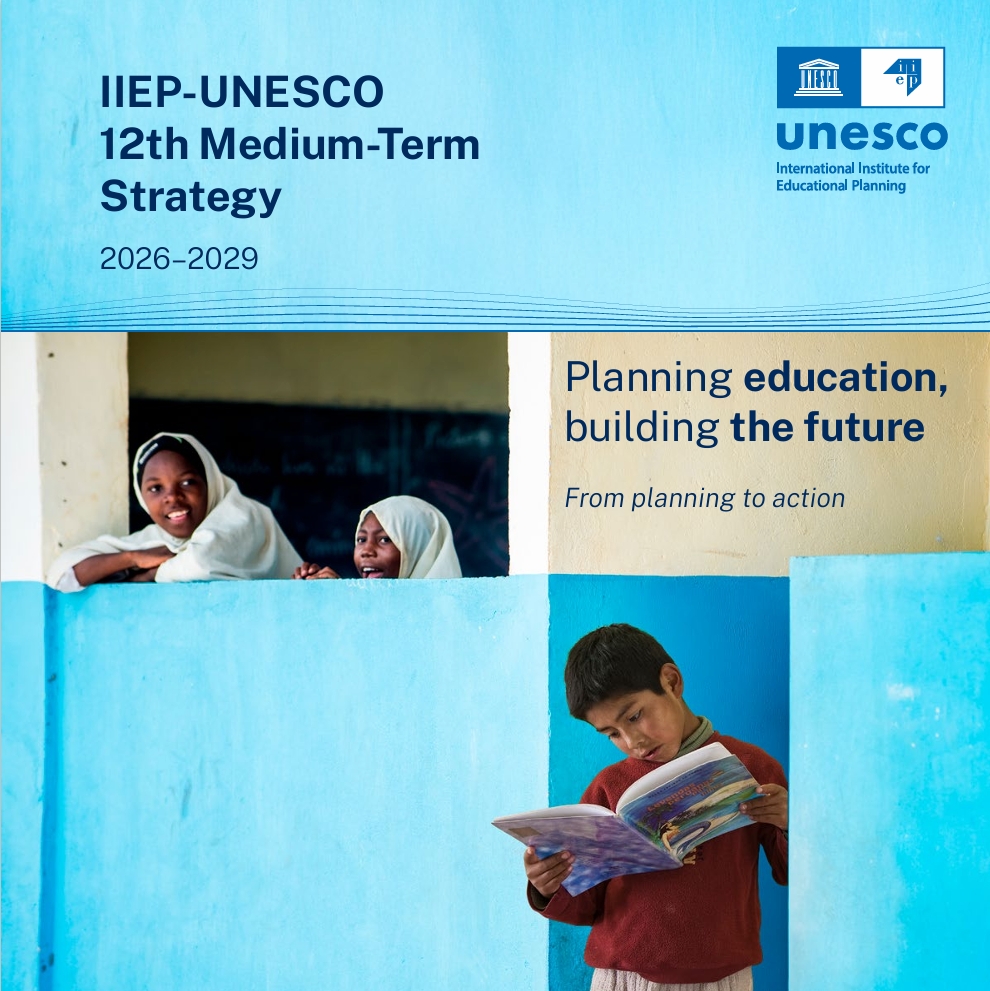 IIEP-UNESCO 12th Medium-Term Strategy: 2026–2029