
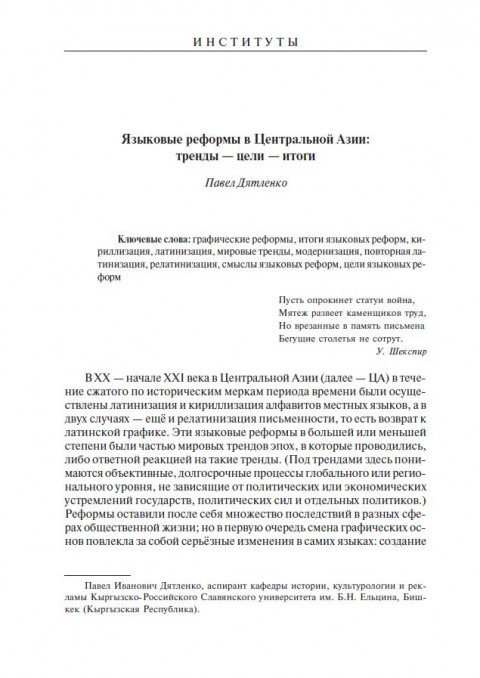
Language Reforms in Central Asia: trends - goals - results
The article considers the evolution of language reforms in Central Asia from the beginning of the twentieth century to the end of the 2000s and their significance as a reflection of changing trends. The author analyzes the goals and interests of the political elites who initiated the language reforms, as well as the consequences of the reforms in different areas of public life.
관련 자료
-
 IIEP-UNESCO 12th Medium-Term Strategy: 2026–2029
 -
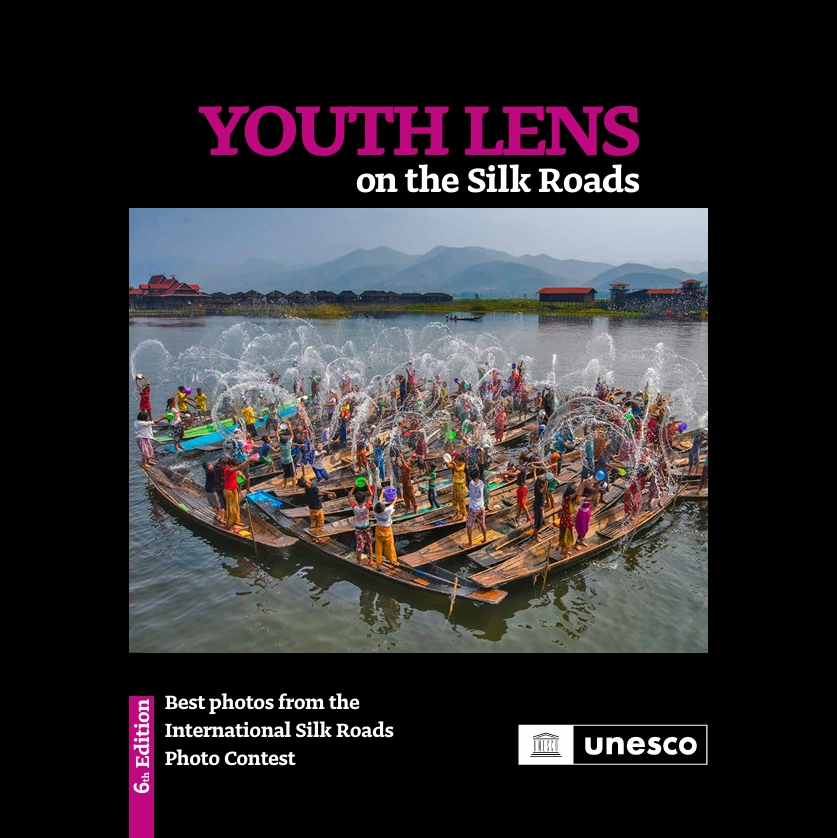 Youth Lens on the Silk Roads: Best Photos from the International Silk Roads Photo Contest; 6th Edition
 -
 Advancing Intergenerational Learning: Identifying Challenges and Opportunities for Older Adults; Integrated Case Study Report
 -
 Digital Empowerment for Lifelong Learning and Transformative Andragogy (DELTA) for Adult Educators: Introduction to the DELTA Framework and Resources