
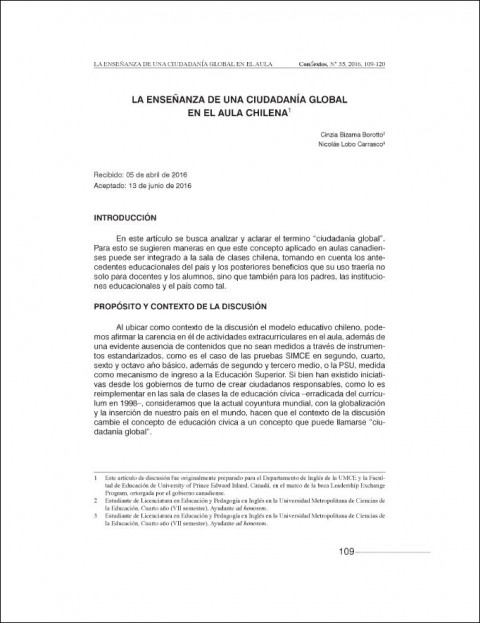
Promoting Global Citizenship in the Chilean Classrooms
This article focuses on the analysis and clarification of the term "global citizenship". For this, different ways in which this concept is applied in canadian classrooms is analysed while suggesting ways of integrating it in chilean classrooms bearing in mind the educational history of the country and the benefits this would bring not only for teachers and students, but also for families, educational institutions and the country itself.
관련 자료
-
 IIEP-UNESCO 12th Medium-Term Strategy: 2026–2029
 -
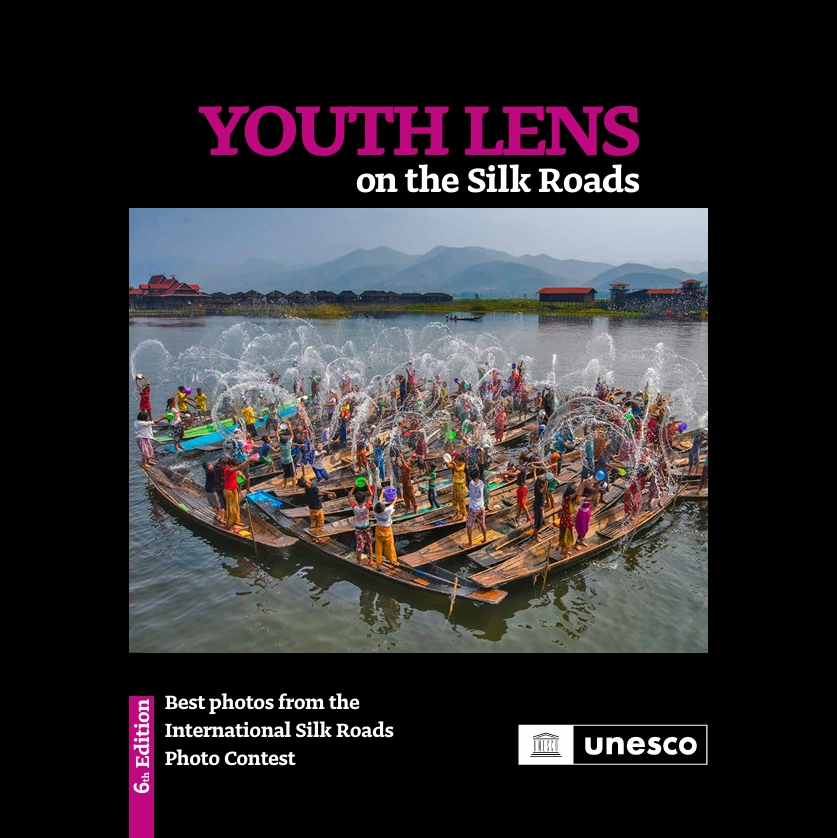 Youth Lens on the Silk Roads: Best Photos from the International Silk Roads Photo Contest; 6th Edition
 -
 Advancing Intergenerational Learning: Identifying Challenges and Opportunities for Older Adults; Integrated Case Study Report
 -
 Digital Empowerment for Lifelong Learning and Transformative Andragogy (DELTA) for Adult Educators: Introduction to the DELTA Framework and Resources