
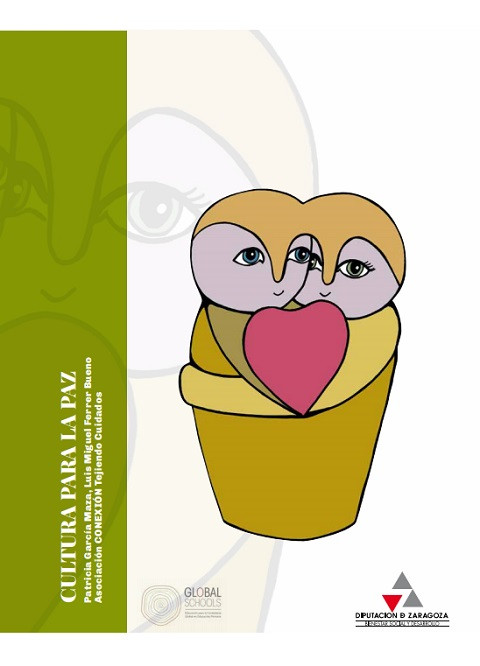
Cultura de paz y resolución de conflictos
- 형태사항
- 79 p.
- 원래 언어
- 스페인어
- 발행 연도
- 2018
La primera tarea está enfocada hacia el trabajo con uno mismo, fundamental a la hora de resolver conflictos. Saber cómo reacciono, cuáles son mis potencialidades y debilidades, aprender a manejar mis emociones, facilitará la interacción con el otro. La segunda tarea se centra en esa interacción, somos personas diferentes, reaccionamos de distintas maneras, por lo que ver al otro, descubrir qué siente y piensa, exige la suficiente flexibilidad para tolerar la diferencia. 4 La tercera tarea está más enfocada a la cultura de paz para una ciudadanía global, pues esta también debe ser abordada desde una visión de bien común. Su línea estratégica es relacional hacia el bien común; solamente así se pueden enfrentar conflictos más globales.
관련 자료
-
 IIEP-UNESCO 12th Medium-Term Strategy: 2026–2029
 -
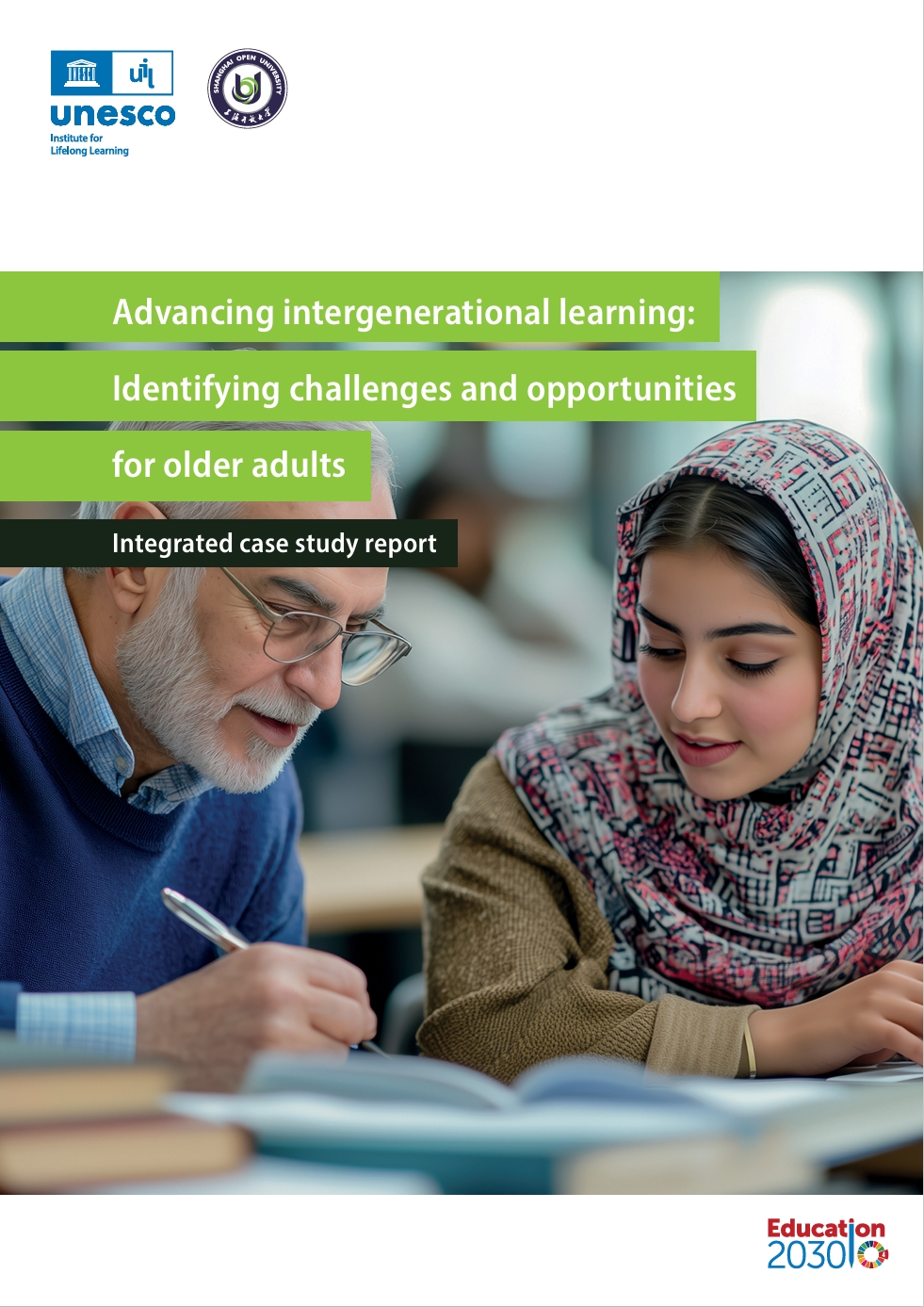 Advancing Intergenerational Learning: Identifying Challenges and Opportunities for Older Adults; Integrated Case Study Report
 -
 Digital Empowerment for Lifelong Learning and Transformative Andragogy (DELTA) for Adult Educators: Introduction to the DELTA Framework and Resources
 -
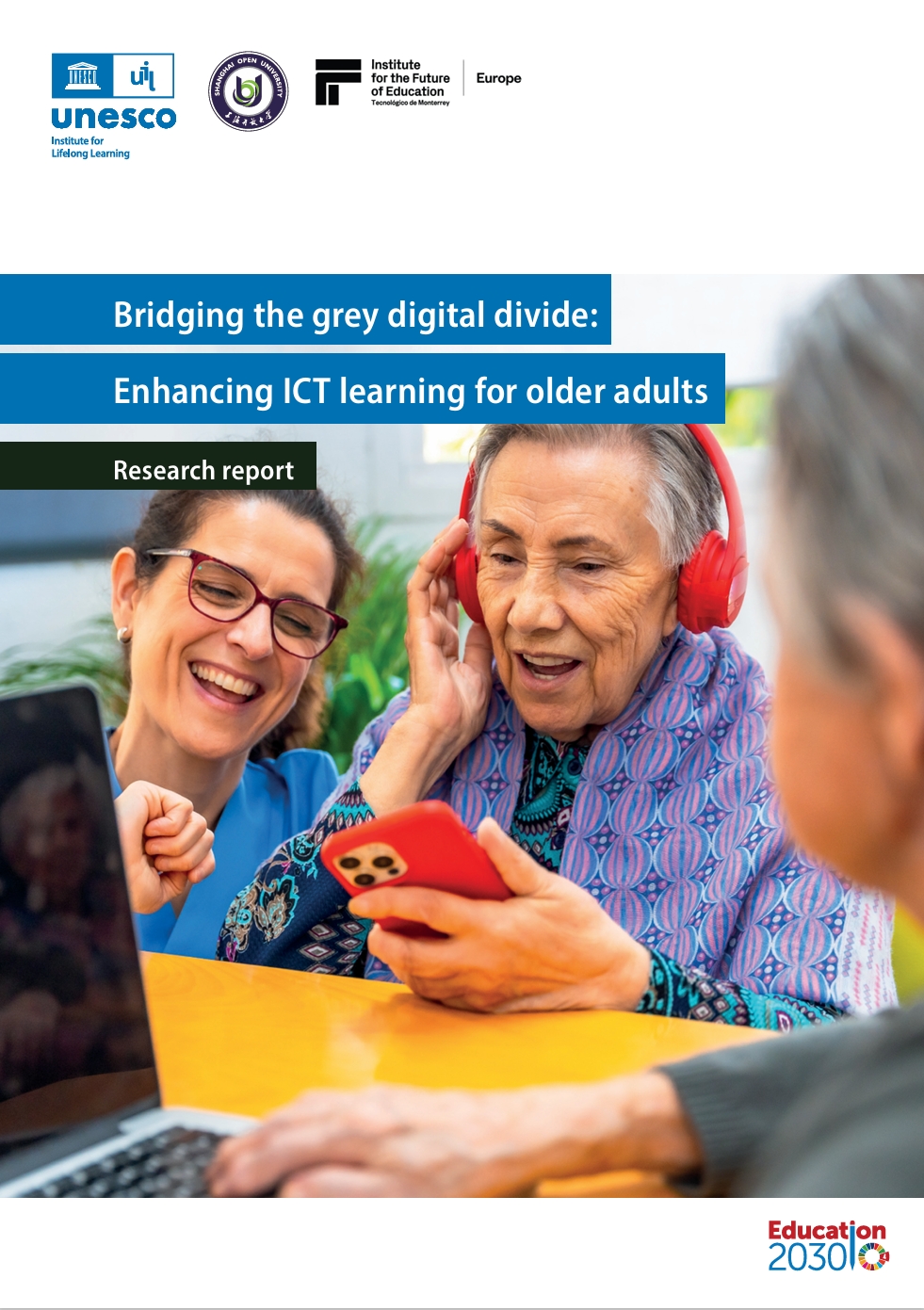 Bridging the Grey Digital Divide: Enhancing ICT Learning for Older Adults; Research Report