
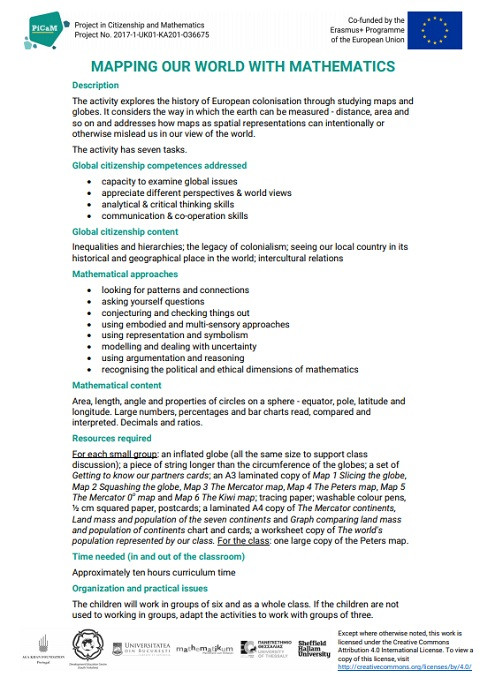
Mapping our World with Mathematics
This activity explores the history of European colonisation through studying maps and globes. It considers the way in which the earth can be measured - distance, area and so on and addresses how maps as spatial representations can intentionally or otherwise mislead us in our view of the world. The activity has seven tasks.
관련 자료
-
 IIEP-UNESCO 12th Medium-Term Strategy: 2026–2029
 -
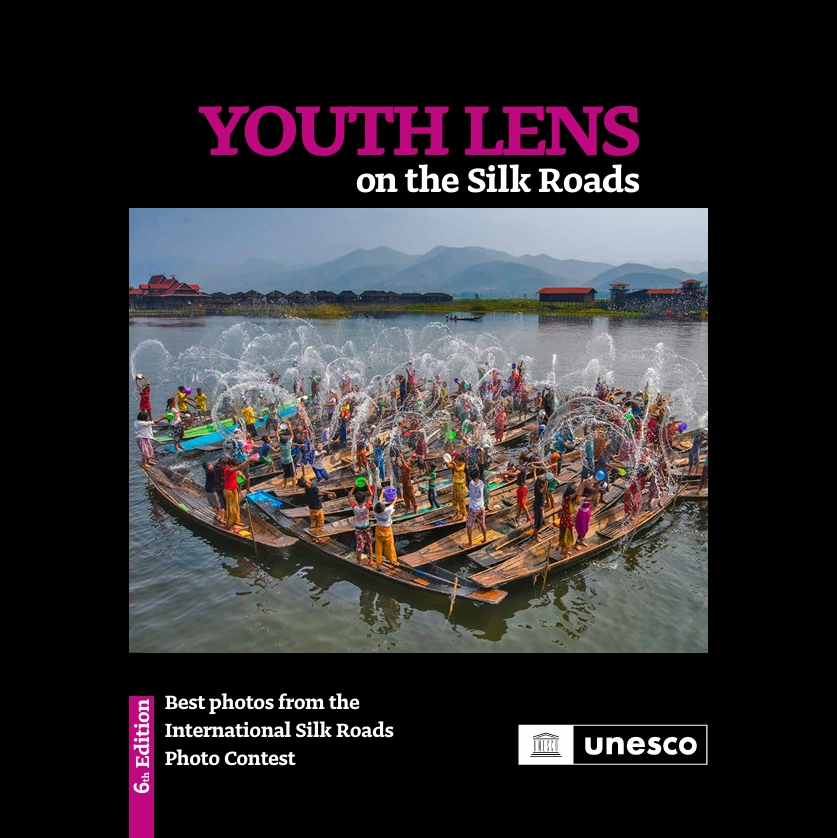 Youth Lens on the Silk Roads: Best Photos from the International Silk Roads Photo Contest; 6th Edition
 -
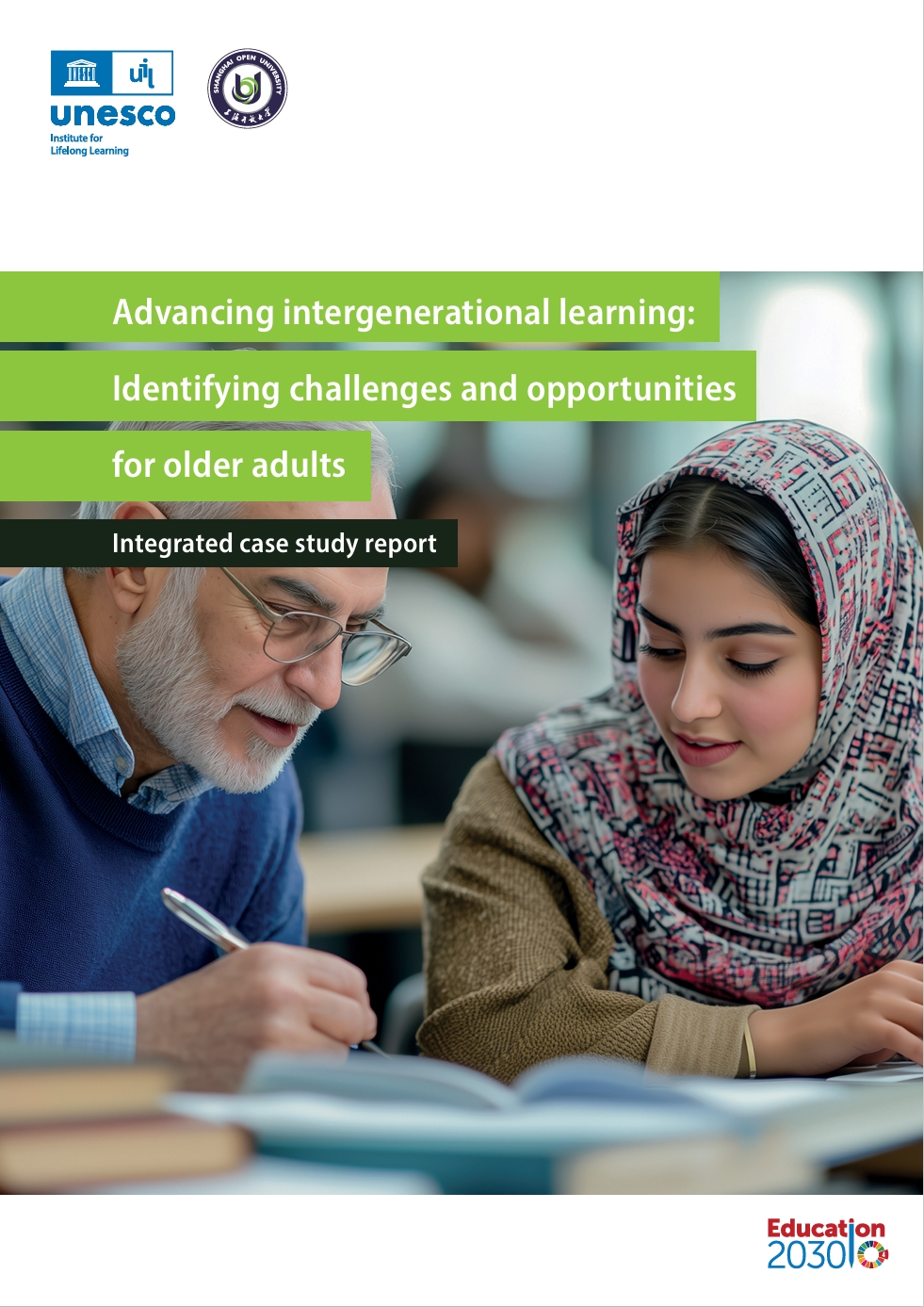 Advancing Intergenerational Learning: Identifying Challenges and Opportunities for Older Adults; Integrated Case Study Report
 -
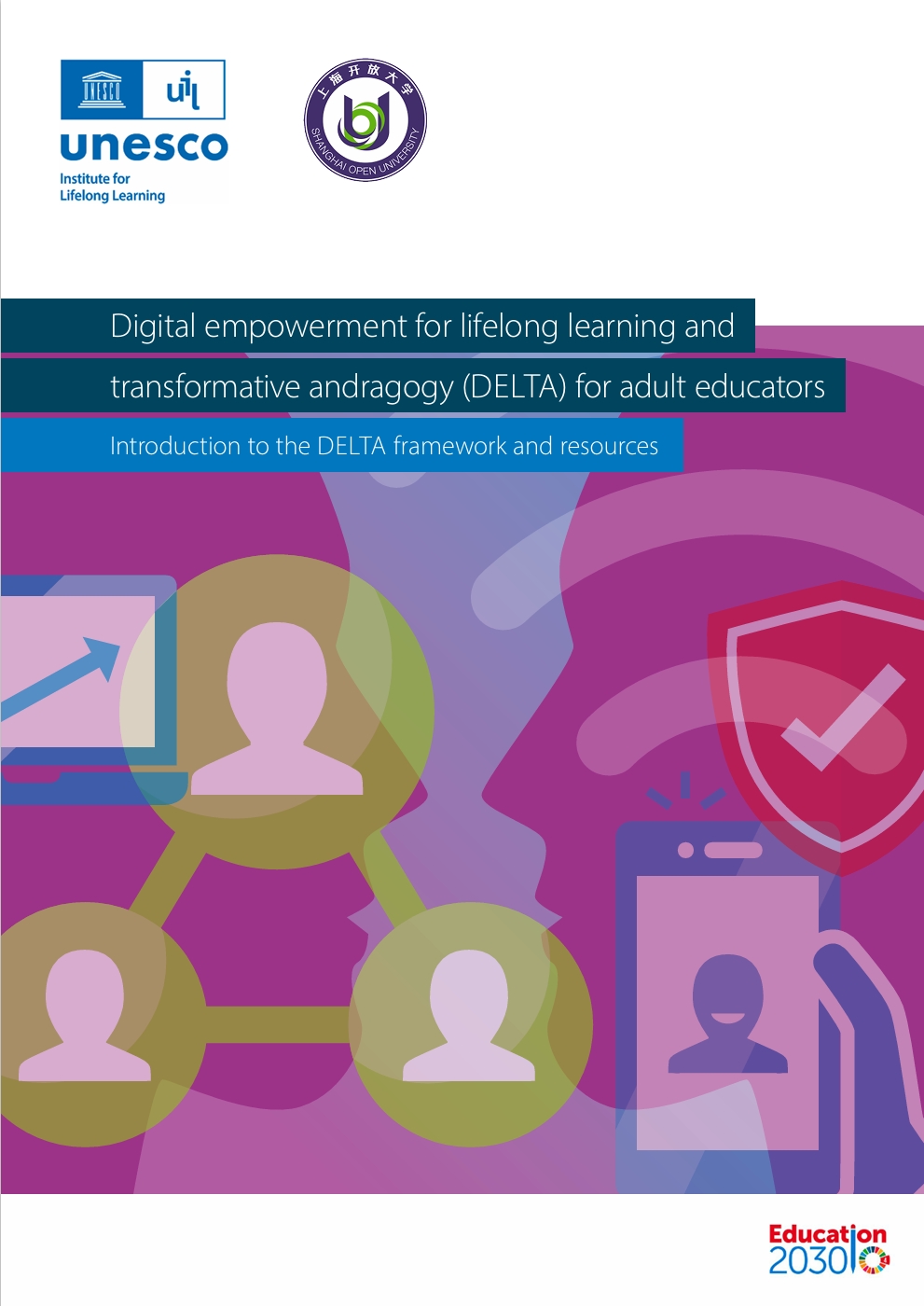 Digital Empowerment for Lifelong Learning and Transformative Andragogy (DELTA) for Adult Educators: Introduction to the DELTA Framework and Resources