
자료
세계시민교육에 대한 이해를 넓히고 연구, 옹호 활동, 교수, 학습 등을 향상시킬 수 있는 다양하고 유용한 자료를 찾아보세요.
884 건의 결과가 검색되었습니다
 منع التطرف من خلال التعليم: بيئة مدرسية آمنة وداعمة 발행 연도: 2020 저자: Mohammad Madbouli يتحدث الفيديو عن منع التطرف في المدارس. يستخدم المقدم دليل اليونسكو لواضعي السياسات المنشور في 2018 كإطار لمناقشة منع التطرف. يتحدث المقدم عن بيئة آمنة وداعمة للطلاب في المدارس. Preventing Extremism Through Education: A Safe and Supportive School Environment 발행 연도: 2020 저자: Mohammad Madbouli This video talks about preventing extremism in schools. The presenter uses the UNESCO guide for policy-makers published in 2018 as framework for discussing preventing extremism. The presenter speaks about safe and supportive environment for students in schools.
  Peace Education: Making the Case 발행 연도: 2019 저자: Darijn Dilia Zwart 단체 저자: Quaker Council for European Affairs (QCEA) This publicaiton shows how peace education has responded to difficult political contexts over the decades and demonstrates that peace education is relevant to conflict prevention and peacebuilding today. The report makes the case for a multi-layered approach to peace education which requires a cohesive, coordinated strategy for peace education as a peacebuilding and conflict prevention tool across relevant EU internal and external policies and programmes.
 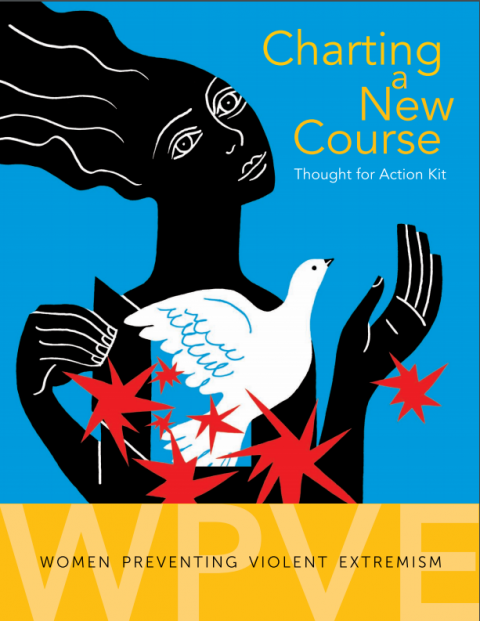 Women Preventing Violent Extremism Thought for Action Kit 발행 연도: 2015 단체 저자: United States Institute of Peace (USIP) United Nations Security Council Resolution (UNSCR) 1325 (2000) was groundbreaking in that it provided strong support for greater attention to the role of women in international peace and security. It acknowledges the inordinate impact of violent conflict on women and recognizes that women’s empowerment and gender equality are critical to international peace and security. The UN Security Council fully recognizes the critical link between the Women, Peace and Security agenda as laid out in UNSCR 1325 and the role women could and should play in preventing violent extremism. This document has three sections. The first section examines the question of gender and why it is important to consider both men and women, and the dynamics of gender roles in society when addressing violent extremism. The second section deals specifically with women and the underlying forces of extremist violence. It invites thinking about women as actors in preventative efforts as well as perpetrators of terrorist acts. Finally, the third section raises issues related to the various ways in which to engage communities, including members of the security sector. Each section opens with a brief introductory background, followed by short essays by some of the leading experts in this field. Each section also includes practical exercises that may prove useful for training and further dialogue. Femmes Prévention Violent Extrémisme Pensée pour la trousse d'action 발행 연도: 2015 단체 저자: United States Institute of Peace (USIP) La Résolution du Conseil de Sécurité des Nations Unies. (CSNU) 1325 (2000) était révolutionnaire en ce qu'elle a fourni un appui solide pour une plus grande attention sur le rôle des femmes dans la paix et la sécurité internationales. Il reconnaît l'impact démesuré des conflits sur les femmes et reconnaît que l'autonomisation des femmes et l'égalité des sexes sont essentiels pour la paix et la sécurité internationales. Le Conseil de sécurité des Nations Unies reconnaît pleinement le lien essentiel entre les femmes, la paix et l'ordre du jour de sécurité comme prévu dans la résolution 1325 et le rôle que les femmes peuvent et doivent jouer dans la prévention de l'extrémisme violent. Ce document comporte trois sections. La première section porte sur la question du genre et pourquoi il est important de considérer à la fois les hommes et les femmes, et la dynamique des rôles de genre dans la société quand aborder l'extrémisme violent. La deuxième section traite spécifiquement avec les femmes et les forces sous-jacentes de la violence extrémiste. Elle invite à penser à des femmes en tant qu'acteurs dans les efforts de prévention ainsi que les auteurs d'actes terroristes. Enfin, la troisième section soulève des questions liées aux diverses façons dont faire participer les communautés, y compris les membres du secteur de la sécurité. Chaque section commence par un bref historique d'introduction, suivie de courts essais par quelques-uns des plus grands experts dans ce domaine. Chaque section comprend également des exercices pratiques qui peuvent se révéler utiles pour la formation et la poursuite du dialogue.
  Shifting the Agenda on Education & Extremism 발행 연도: 2018 단체 저자: Think Global This research report aims to build an understanding of young people’s idea of diversity, identity and extremism as well as how schools and young people can be better supported to promote social cohesion and engage in active citizenship opportunities.
 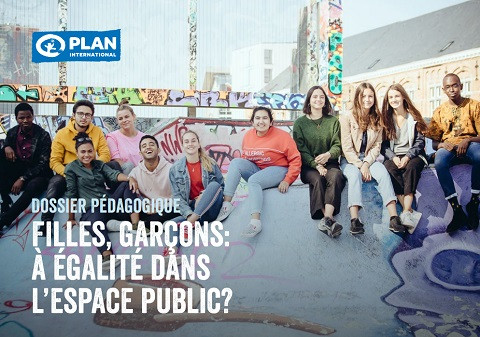 Dossier pédagogique: Filles, garçons, à égalite dans l'espace public? 발행 연도: 2019 단체 저자: Plan International Ce dossier pédagogique vise à sensibiliser les adolescent-e-s à propos des inégalités entre garçons et filles et à les faire réfléchir aux conséquences. Le message global est positif: le chemin est porteur d’espoir. Les jeunes peuvent changer les choses. Ils/elles peuvent réfléchir et s’élever contre des normes inadaptées et construire leur avenir. Et nous pouvons, ensemble, briser les stéréotypes de genre, améliorer les modèles de rôles et construire à l’égalité des chances entre garçons et filles. Prendre conscience du poids des stéréotypes et les questionner constamment en les observant à travers le prisme du genre sont des étapes décisives sur la voie de l’égalité. La classe est un cadre idéal pour cette remise en question.
  Confronting White Nationalism in Schools: A Toolkit 발행 연도: 2019 저자: Nora Flanagan | Jessica Acee | Lindsay Schubiner 단체 저자: Western States Center This toolkit shows strategies to counter white nationalist organizing in schools through sample scenarios that schools frequently encounter. It also offers advice for parents, students, teachers, school administrators, and the wider community. Many resources currently exist that address diversity, inclusion, and bullying in schools; a few of them are listed in the resources section. This toolkit is specifically focused on responding to white nationalist targeting and recruitment of students.
  디지털 소통로(law): 안전·배려·공감의 디지털 세상 만들기; 중·고등용 발행 연도: 2020 저자: 정소연 | 김영준 | 김동하 | 최용철 | 김정호 | 송한준 | 김기환 | 이동준 | 장선영 | 허천영 | 허재벽 | 황규상 단체 저자: 대한민국 법무부 보호정책과 이 교재는 청소년들이 실제 궁금해 하고, 피해가 자주 발생하는 디지털 성범죄, 사이버 폭력, 인터넷 금융범죄, 디지털 저작권 등 4개 분야와 디지털 에티켓을 각각의 사례로 구성하였고, 사례에 해당하는 법조문과 판례를 통해 디지털 범죄에 대한 경각심을 일깨울 뿐 아니라, 피해자들을 위한 구제 방법과 관계기관의 지원 대책 등을 종합적으로 안내하고 있다. 디지털 공간에서 발생하는 각종 범죄의 재발 방지와 피해 예방을 위해 발간된 청소년용 디지털 법교육 교재이다.
 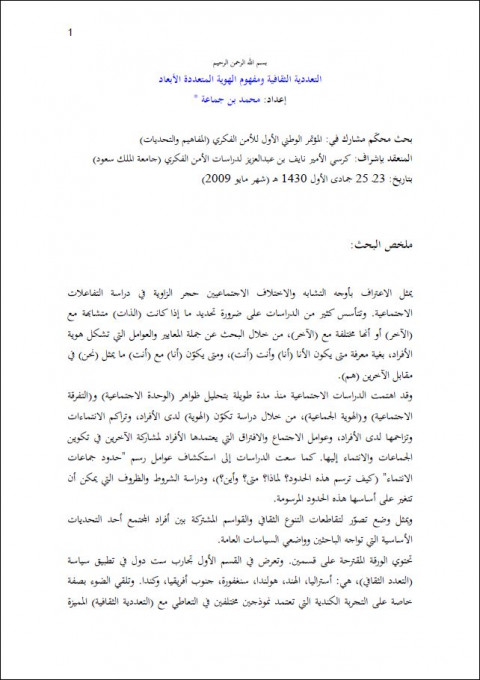 التعددية الثقافية ومفهوم الهوية المتعددة الأبعاد 발행 연도: 2009 저자: Mohamed Ben Jemaa 단체 저자: King Saud University يمثل الاعتراف بأوجه التشابه والاختلاف الاجتماعيين حجر الزاوية في دراسة التفاعلات الاجتماعية. وتتأسس كثير من الدراسات على ضرورة تحديد ما إذا كانت (الذات) متشاة مع (الآخر) أو أا مختلفة مع (الآخر)، من خلال البحث عن جملة المعايير والعوامل التي تشكل هوية الأفراد، بغية معرفة متى يكون الأنا (أنا) وأنت (أنت)، ومتى يكوّن (أنا) مع (أنت) ما يمثل (نحن) في مقابل الآخرين (هم).وقد اهتمت الدراسات الاجتماعية منذ مدة طويلة بتحليل ظواهر (الوحدة الاجتماعية) و(التفرقة الاجتماعية) و(الهوية الجماعية)، من خلال دراسة تكوّن (الهوية) لدى الأفراد، وتراكم الانتماءات وتزاحمها لدى الأفراد، وعوامل الاجتماع والافتراق التي يعتمدها الأفراد لمشاركة الآخرين في تكوين الجماعات والانتماء إليها. كما سعت الدراسات إلى استكشاف عوامل رسم "حدود جماعات الانتماء" (كيف ترسم هذه الحدود؟ لماذا؟ متى؟ وأين؟)، ودراسة الشروط والظروف التي يمكن أن تتغير على أساسها هذه الحدود المرسومة.ويمثل وضع تصوّر لتقاطعات التنوع الثقافي والقواسم المشتركة بين أفراد اتمع أحد التحديات الأساسية التي تواجه الباحثين وواضعي السياسات العامة.تحتوي الورقة المقترحة على قسمين. وتعرض في القسم الأول تجارب ست دول في تطبيق سياسة (التعدد الثقافي)، هي: أستراليا، الهند، هولندا، سنغفورة، جنوب أفريقيا، وكندا. وتلقي الضوء بصفة خاصة على التجربة الكندية التي تعتمد نموذجين مختلفين في التعاطي مع (التعددية الثقافية) المميزة للمجتمع الكندي بسبب تركيبته التكوينية تاريخيا، والجامعة بين الهنود الحمر (أو الأمم الأولى) والفرنسيين والإنجليز، وبسبب الانفتاح الفريد على قبول المهاجرين. ويعرف النموذج الأول باسم وهو النموذج المعتمد من الحكومة الفيدرالية الكندية. ،(Multiculturalism) " "التعددية الثقافية .(Interculturalism) " أما الثاني فهو معتمد من قبل مقاطعة كيبك ويعرف باسم "التفاعل الثقافي ثم تعرض في القسم الثاني إطارا نظريا لمفهوم (الهوية متعددة الأبعاد)، يسعى لفهم أشكال التراكم والتزاحم بين الانتماءات، وتحديد عدد من العوامل المؤثرة فيها. كما تعرض أخطاء اعتماد الهوية ذات البعد الواحد في تصنيف الأفراد والجماعات، وعلاقة ذلك بالعنف، من خلال محاولة لتحديد معالم الهوية الإسلامية المختزلة التي يرسمها تنظيم القاعدة لنفسه في الصراع الذي يخوضه على المست وى الدولي.