
자료
세계시민교육에 대한 이해를 넓히고 연구, 옹호 활동, 교수, 학습 등을 향상시킬 수 있는 다양하고 유용한 자료를 찾아보세요.
1,727 건의 결과가 검색되었습니다
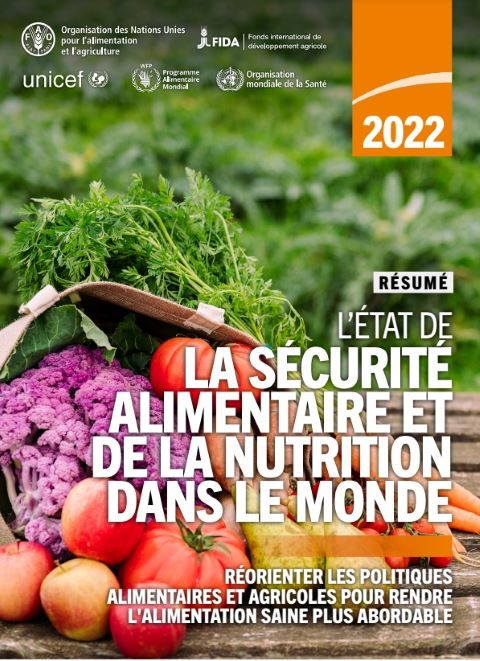 Security, Food and Nutrition in the World 발행 연도: 2022 단체 저자: Food and Agriculture Organization of the United Nations (FAO) This report repeatedly highlights the intensification of the main factors of food insecurity and malnutrition: conflicts, climatic phenomena extremes, and economic shocks, the effects of which combine with those of the increase in some inequalities. The issue is not whether more trials are to come or not; it's about rather taking matters into their own hands with more courage and building resilience in the face of future shocks.
 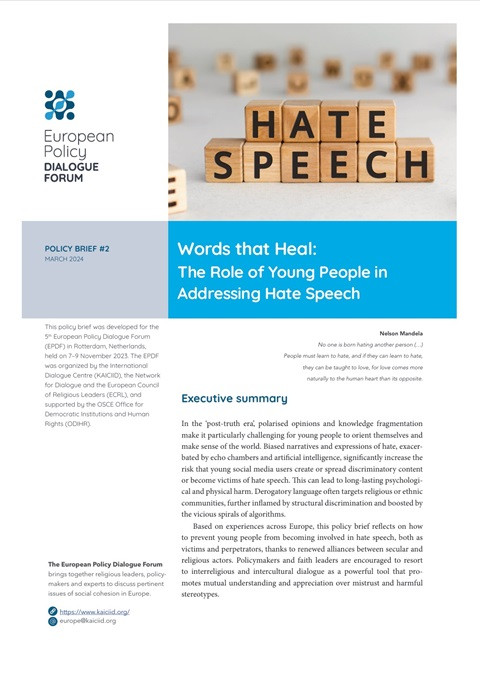 Words that Heal: The Role of Young People in Addressing Hate Speech (EPDF Policy Brief No. 2) 발행 연도: 2024 단체 저자: International Dialogue Centre (KAICIID) In the ‘post-truth era’, polarised opinions and knowledge fragmentation make it particularly challenging for young people to orient themselves and make sense of the world. Biased narratives and expressions of hate, exacerbated by echo chambers and artificial intelligence, significantly increase the risk that young social media users create or spread discriminatory content or become victims of hate speech. This can lead to long-lasting psychological and physical harm. Derogatory language often targets religious or ethnic communities, further inflamed by structural discrimination and boosted by the vicious spirals of algorithms. Based on experiences across Europe, this policy brief reflects on how to prevent young people from becoming involved in hate speech, both as victims and perpetrators, thanks to renewed alliances between secular and religious actors. Policymakers and faith leaders are encouraged to resort to interreligious and intercultural dialogue as a powerful tool that promotes mutual understanding and appreciation over mistrust and harmful stereotypes.
 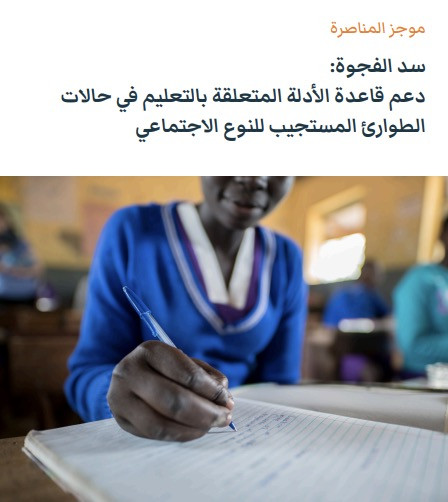 سد الفجوة: دعم قاعدة الأدلة المتعلقة بالتعليم في حالات الطوارئ المستجيب للنوع الاجتماعي 발행 연도: 2022 저자: Lauren Gerken | Sumbal Bashir 단체 저자: The Inter-agency Network for Education in Emergencies (INEE) يسلّط هذا الملخص الضوء على الثغرات الرئيسية في قاعدة الأدلة حول النوع الاجتماعي والتعليم في حالات الطوارئ، ويقدم التوجيه الاستراتيجي والمحتوى المواضيعي لمبادرات الأبحاث الجديدة. يتضمن توصيات لإجراء أبحاث تعليمية مستجيبة للنوع الاجتماعي والمناصرة للعمل التعاوني وتبادل المعرفة بين النوع الاجتماعي والجهات الفاعلة الرئيسية في مجال التعليم في حالات الطوارئ. يمكن استخدام الملخص لتحديد المجالات ذات الأولوية للبحث وأسئلة البحث للمضي قدمًا، وفرص التعاون، ومجالات البحث ذات الأولوية للتمويل. Bridging the Gap: Strengthening the Evidence Base for Gender Responsive Education in Emergencies 발행 연도: 2022 저자: Lauren Gerken | Sumbal Bashir 단체 저자: The Inter-agency Network for Education in Emergencies (INEE) This brief was developed by the INEE Gender Task Team in response to global calls for more and better data and evidence on gender-responsive EiE. The brief draws from findings of the 2021 and 2022 editions of the INEE Mind the Gap report on the state of girls’ education in emergencies, and from consultations with gender and education experts.
 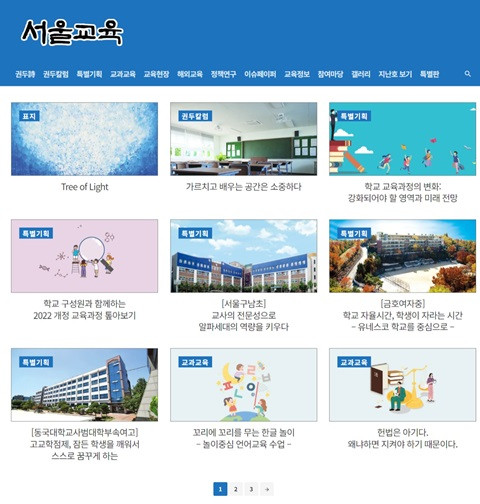 서울교육 2023년 겨울호 (제65권 통권 253호) 발행 연도: 2023 단체 저자: 서울특별시교육청 교육연구정보원 권두칼럼: 가르치고 배우는 공간은 소중하다 특별기획:- 학교 교육과정의 변화: 강화되어야 할 영역과 미래 전망- 학교 구성원과 함께하는 2022 개정 교육과정 톺아보기- [서울구남초] 교사의 전문성으로 알파세대의 역량을 키우다- [금호여자중] 학교 자율시간, 학생이 자라는 시간 -유네스코 학교를 중심으로-- [동국대사범대부속여고] 고교학점제, 잠든 학생을 깨워서 스스로 꿈꾸게 하는 교과교육:- 꼬리에 꼬리를 무는 한글 놀이 -놀이중심 언어교육 수업-- 헌법은 아기다. 왜냐면 지켜야 하기 때문이다.- 개념기반 교육과정으로 디자인한 국어과 수업- [국어.체육.사회 융합 수업] 우리들, 북촌을 달리는 사이- [국제교류 생태전환 수업] 새로운 생각이 필요해: 시간을 달려서- [테마별 신학년 집중 준비기간 I] 신학년 3월, 설레는 만남! 함께 준비해요! 과정이 살아있는 신학년 집중 준비기간: 계획 & 실행- [테마별 신학년 집중 준비기간Ⅱ] 행복한 만남, 준비하는 선생님: 교원연수 운영- [테마별 신학년 집중 준비기간 Ⅲ] 미래학교의 색깔을 만들어나가는 신학년 준비기간 - [테마별 신학년 집중 준비기간 Ⅳ] 신학년 집중 준비기간, 나는 이제 ‘P’에서 ‘J’가 된다 이슈페이퍼: 청소년 자치배움터 다가치학교의 성과분석 및 개선방안 교육정보:- 복잡한 「교원의 학생생활지도에 관한 고시」톺아보기- 학생의 문제 행동을 바로 보고, 함께 풀어가는「다중지원회의」- 교육과정 업무담당 교사를 위한 2024 학교 교육과정 편성하기
  Reimagining Education: The International Science and Evidence Based Education Assessment; Summary for Decision Makers (SDM) 발행 연도: 2022 저자: Anantha Kumar Duraiappah | Nienke M. van Atteveldt | Joanne Marieke Buil | Kriti Singh | Rongxiu Wu 단체 저자: Mahatma Gandhi Institute of Education for Peace and Sustainable Development (MGIEP) The International Science and Evidence Based Education (ISEE) Assessment is an initiative of the UNESCO Mahatma Gandhi Institute of Education for Peace and Sustainable Development (MGIEP), and is its contribution to the Futures of Education process launched by UNESCO Paris in September 2019. In order to contribute to re-envisioning the future of education with a science and evidence based report, UNESCO MGIEP embarked on the first-ever large scale assessment of knowledge of education.
  L'éducation aux médias, à l'information et à la citoyenneté numérique - rapport sur l'exercice 2022-2023 발행 연도: 2023 단체 저자: Autorité de Régulation de la Communication audiovisuelle et numérique Pour la troisième année consécutive, l'Arcom présente un bilan rendant compte des actions entreprises par les médias audiovisuels en matière d'éducation aux médias, à l'information et à la citoyenneté numérique, et mettant en lumière des initiatives innovantes à l’échelle nationale ou européenne.For the third year in a row, Arcom is presenting a review reporting on actions undertaken by audivisual media, in the field of media education, information literacy, and digital citizenship, and highligthing innovative initiative on nationale and european scale.
  دليل استرشادي لصياغة سياسات حماية حقوق الطفل في المنطقة العربية وفق النهج الحقوقي 발행 연도: 2015 저자: Adel Azar | Ahmed Abd al manaem | Abdul Latif Mahmoud | Ibtisam Al-Jafarawi | Mahmoud Bastami 단체 저자: Arab Council for Childhood and Development (ACCD) هذا العمل يهدف إلى بناء دليل استرشادي لسياسات الحماية في إطار تعزيز الانتقال من نهج النموذج التجزيئي الذي يتعامل مع احتياجات الطفل في إطار الأوضاع القائمة بل وإعادة إنتاجها، أي باعتبار ما يحتاجه الطفل من خدمات، للانتقال من هذا النهج، إلى نهج النموذج العلمي الذي يتطلع إلى التغيير الشامل. اهتم هذا الدليل بتوفير رؤية شاملة ومتكاملة لسياسات حقوق الطفل، وصياغة معايير ودلالات هذه الحقوق وبرمجتها لضمان إنفاذها، وبناء سياسات فاعلة تكفل حقوق ورفاه الطفل في المنطقة العربية. A Guideline for Formulating Child Rights Protection Policies in the Arab Region according to the Human Rights Approach 발행 연도: 2015 저자: Adel Azar | Ahmed Abd al manaem | Abdul Latif Mahmoud | Ibtisam Al-Jafarawi | Mahmoud Bastami 단체 저자: Arab Council for Childhood and Development (ACCD) This work aims to build an indicative guide for children protection policies in the context of promoting the transition from the approach of the fragmented model that deals with the needs of the child within the framework of the existing conditions and even its reproduction. It also considers the services that the child needs, to move from this approach, to the approach of the scientific model that aspires to comprehensive change. This guide is concerned with providing a comprehensive and integrated vision of children's rights policies, formulating standards and implications for these rights and programming them to ensure their enforcement, and building effective policies that guarantee the rights and well-being of children in the Arab region.
  برنامج القيادة والمواطنة الفاعلة: رحلة تعلّم إبداعية لطلبة البكالوريوس 발행 연도: 2018 단체 저자: Berziet University انطلاقاً من قناعة وإيمان جامعة بيرزيت برؤيتها لدورها باعتبارها مؤسسة ريادية بكافة مكوناتها تساهم في الإنتاج المعرفيّ ببعديه الوطني والعالمي، والتزامها برسالتها من خال «توفير بيئة مستنيرة ذات استقلاليّة تتيح حريّة الفكر والتعبير، وتحرص على الممارسات الديمقراطيّة والحوار، وتحفّز التميّز والإبداع والابتكار والرياديّة في التعليم والتعلُّم والبحث؛ لرفد المجتمع بالكفاءات والمعارف التي من شأنها قيادة التغيير والمساهمة في رقيّه وتقدمه، تم إطلاق برنامج القيادة والمواطنة الفاعلة «مساري » مع بداية العام الأكاديمي 2017 / 2018 ، ليعزز دور الجامعة في تطوير رؤية متجدّدة للتعليم، وليكون حافزاً للطلبة للبدء برسم مسار حياتهم وانخراطهم في محيطهم منذ اليوم الأول الذي يخطون فيه عتبة الجامعة، وذلك من خال منهج مجاور co-curricular يُنفّذ بالتوازي مع البرامج الأكاديمية والأنشطة المنهجية واللامنهجية، ويُعتبر جزءاً رئيسياً مكمّلاً لمسيرتهم التعليميّة وتجربتهم الجامعيّة.يستوحي برنامج مساري إطاره الفكريّ العام من تجربة وخبرة جامعة بيرزيت في تطوير الإطار المفاهيمي والبرامجي للمهارات الحياتية والتعليم من أجل المواطنة لمنطقة الشرق الأوسط وشمال إفريقي وذلك ضمن إطار مبادرة إقليمية مشتركة أطلقتها منظمة اليونيسف عام 2015 بالتعاون مع دول المنطقة ومؤسسات دوليّة.