
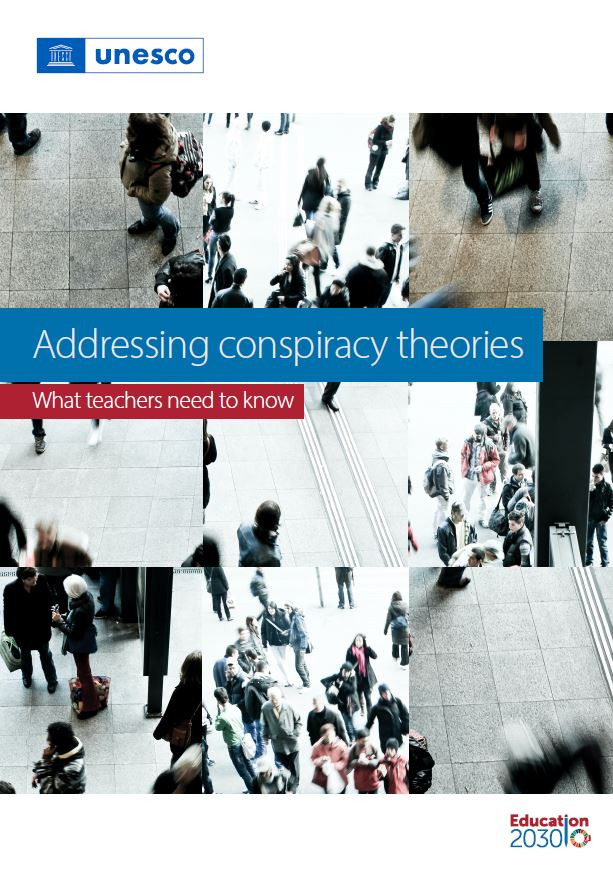
Addressing Conspiracy Theories: What Teachers Need to Know
- Корпоративный автор
- Организация Объединенных Наций по вопросам образования, науки и культуры (UNESCO)
- Колляция
- 18 p.
- Язык ресурса
- Английский
- Год публикации
- 2022
- Ключевые слова
- DisinformationMedia and information literacy
- Тема
- Медийная и информационная грамотность / Цифровое гражданствоПредотвращение насильственного экстремизма и геноцидаРазнообразие / Культурная грамотность / Инклюзивность
- Уровень образования
- Начальное образованиеСреднее образованиеВысшее образование
- Регион
- Глобальный
- Место публикации
- Paris
This document is a first introduction for educators, working in and outside of formal schooling, on how to identify, prevent and address conspiracy theories in education settings. It seeks to provide educators with key definitions and essential knowledge to grasp the complexity of the phenomenon and alert learners about the key characteristics and harmful effects of conspiracy theories for a first, immediate response. To support educators in this endeavour, this document outlines strategies to prevent the belief in conspiracy theories as well as to engage with learners who already believe in them.
Связанные ресурсы
-
 Youth Lens on the Silk Roads: Best Photos from the International Silk Roads Photo Contest; 6th Edition
 -
 Digital Empowerment for Lifelong Learning and Transformative Andragogy (DELTA) for Adult Educators: Introduction to the DELTA Framework and Resources
 -
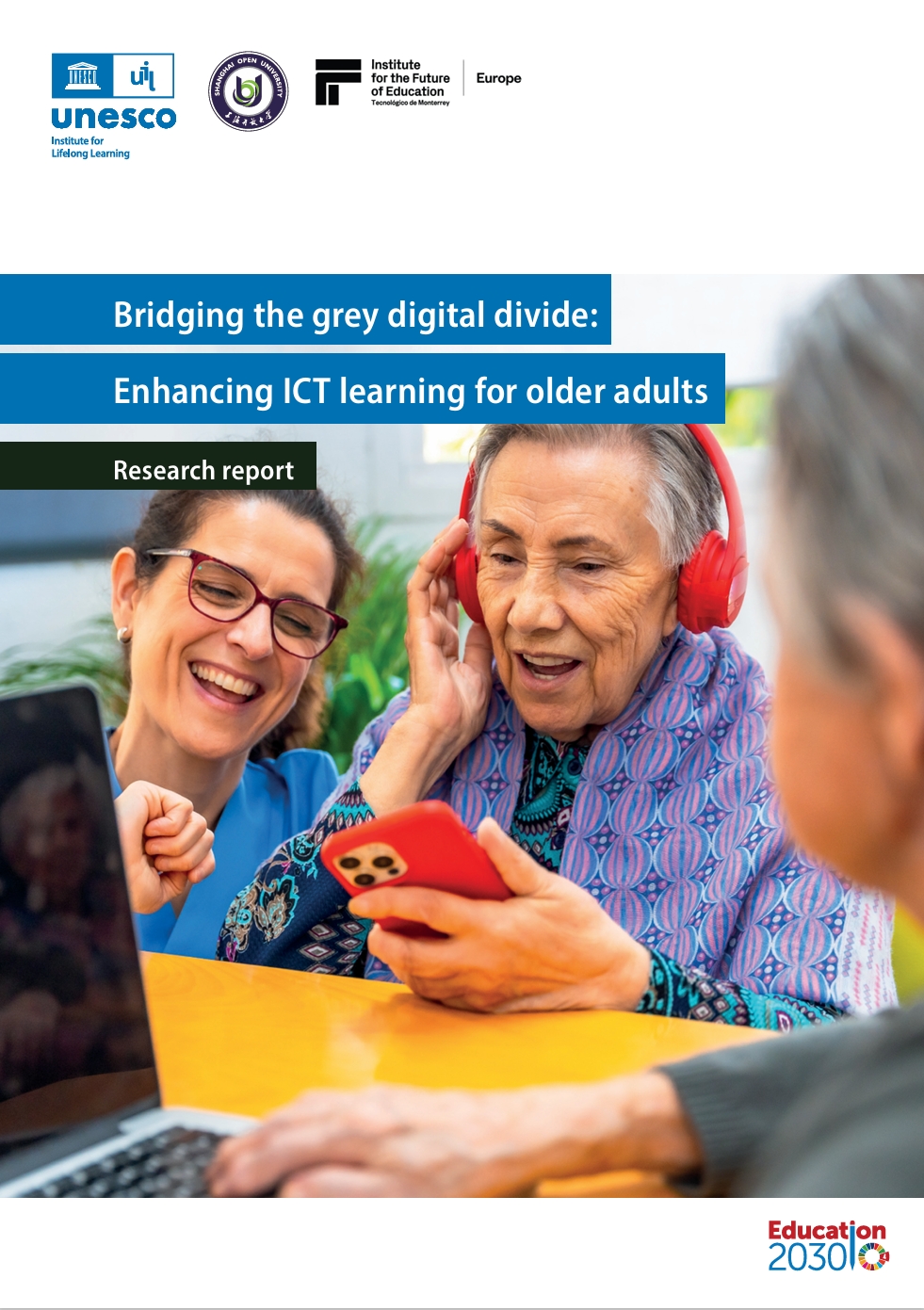 Bridging the Grey Digital Divide: Enhancing ICT Learning for Older Adults; Research Report
 -
 Addressing Violent Pasts through Education: A Policy Guide