
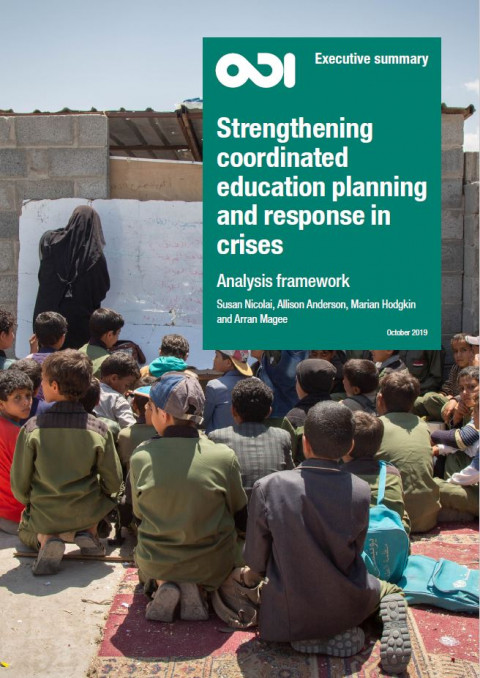
[Summary] Strengthening Coordinated Education Planning and Response in Crises: Analysis Framework; Executive Summary
- Корпоративный автор
- Overseas Development Institute (ODI)
- Колляция
- 4 p.
- Язык ресурса
- Английский
- Год публикации
- 2019
- Тема
- Глобализация и социальная справедливость / Международное взаимопониманиеРазнообразие / Культурная грамотность / ИнклюзивностьУстойчивое развитие / Устойчивость
- Тип ресурса
- Исследовательские работы / журнальные статьи
- Уровень образования
- Раннее детское развитие, уход и образованиеНачальное образованиеСреднее образованиеДругое
- Регион
- Глобальный
- Место публикации
- New York
This report presents a framework for analysis of formal coordination approaches for education planning and response in emergencies and protracted crises. It reviews concepts and definitions of coordination, approaches and structures for coordinated planning and response, and expected outcomes of these processes, with a focus on humanitarian structures across the humanitarian–development nexus. The main types of formal education coordination groups include Education Clusters, Refugee Education Working Groups and Local Education Groups (LEGs). These often have different purposes and organisations associated with them, sometimes resulting in overlaps and gaps in coordination efforts.
Связанные ресурсы
-
 IIEP-UNESCO 12th Medium-Term Strategy: 2026–2029
 -
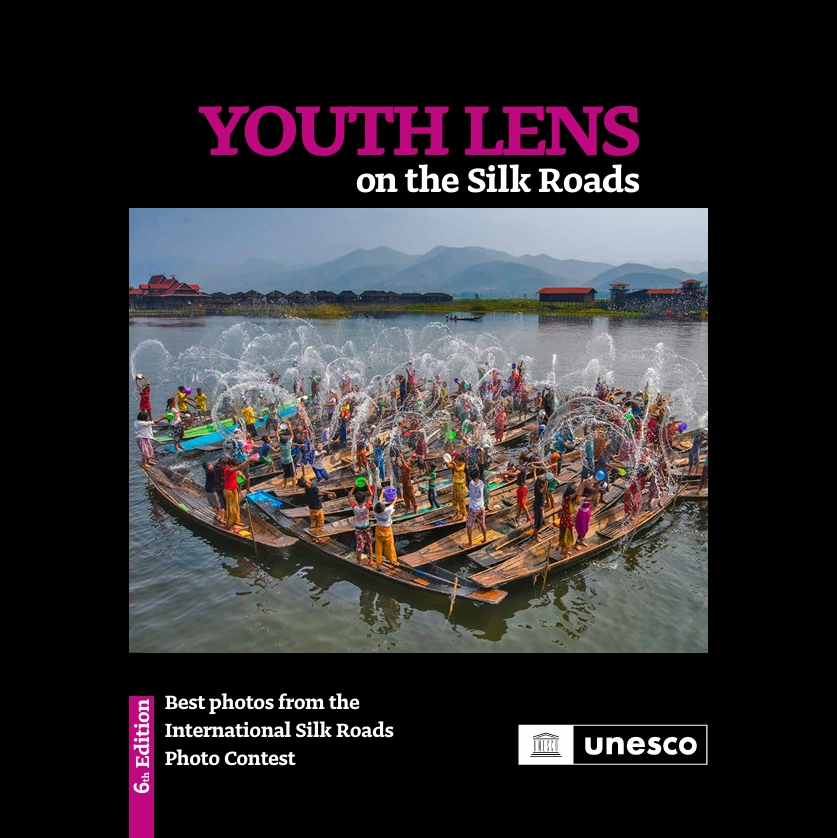 Youth Lens on the Silk Roads: Best Photos from the International Silk Roads Photo Contest; 6th Edition
 -
 Advancing Intergenerational Learning: Identifying Challenges and Opportunities for Older Adults; Integrated Case Study Report
 -
 Digital Empowerment for Lifelong Learning and Transformative Andragogy (DELTA) for Adult Educators: Introduction to the DELTA Framework and Resources