
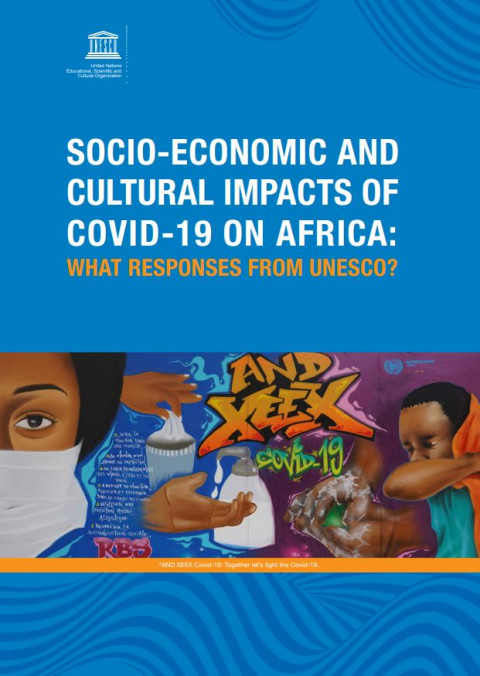
Socio-Economic and Cultural Impacts of COVID-19 on Africa: What Responses from UNESCO?
- Корпоративный автор
- Организация Объединенных Наций по вопросам образования, науки и культуры (UNESCO)
- ISBN
- ISBN 978-92-3-100389-9
- Колляция
- 35 p.
- Язык ресурса
- АнглийскийФранцузский
- Год публикации
- 2020
- Ключевые слова
- School closuresОбразование для девочекPandemics
- Тема
- Разнообразие / Культурная грамотность / ИнклюзивностьПрава человекаГлобализация и социальная справедливость / Международное взаимопониманиеУстойчивое развитие / Устойчивость
- Тип ресурса
- Международные нормативные документы / политика и адвокационные документыИсследовательские работы / журнальные статьи
- Уровень образования
- Раннее детское развитие, уход и образованиеНачальное образованиеСреднее образование
- Регион
- Африка
- Место публикации
- Paris
This policy paper analyses the socio-economic and cultural impacts of the disease on Africa as a whole, caused by both the immediate effects and the present and future consequences of the pandemic, including on the African societal fabric, which is likely to lead to a fracture in the trust between States and their citizens and within communities themselves. As such, it highlights the main measures that were adopted by African countries to contain the crisis and its socio-economic and cultural effects. While committing to acting and reflecting on the present and future consequences of the pandemic, UNESCO aims to contribute substantially to the ongoing debates in Africa through the development of a strategic response to help the collective global and regional efforts against the pandemic.
Связанные ресурсы
-
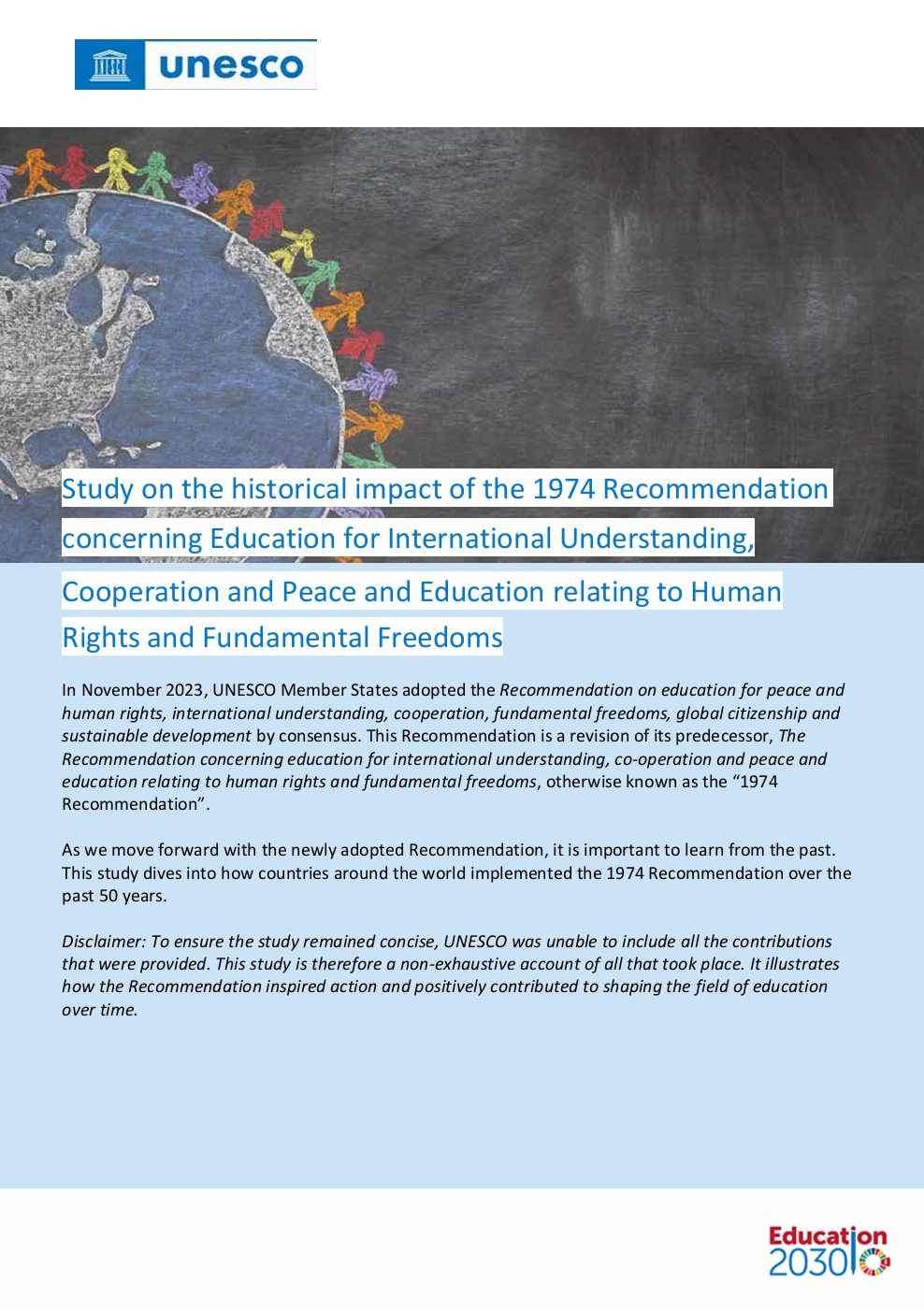 Study on the Historical Impact of the 1974 Recommendation concerning Education for International Understanding, Cooperation and Peace and Education relating to Human Rights and Fundamental Freedoms
 -
 IIEP-UNESCO 12th Medium-Term Strategy: 2026–2029
 -
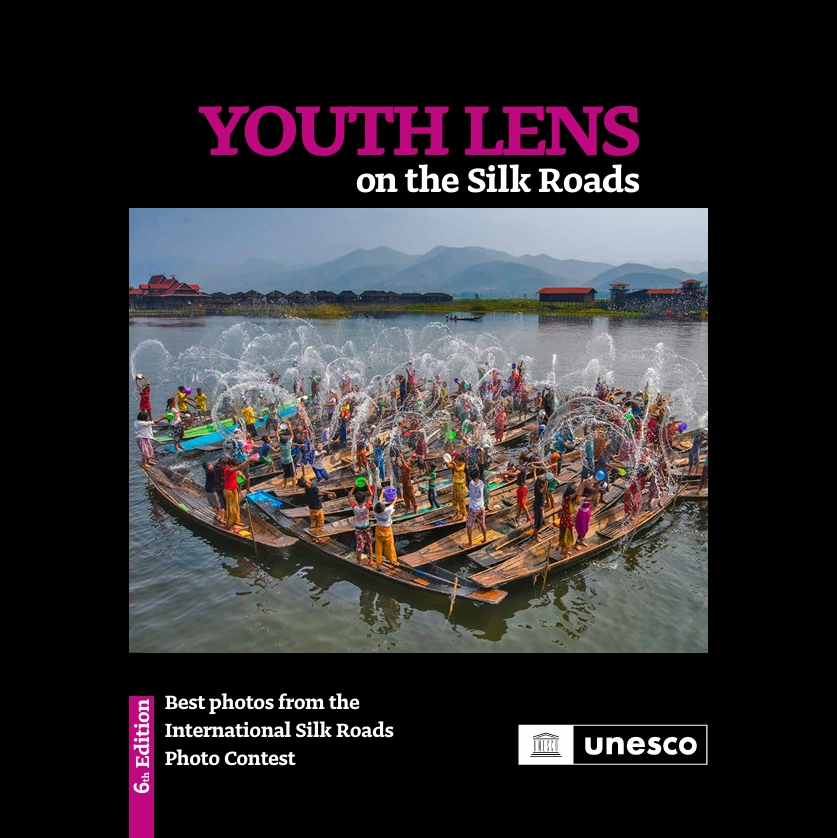 Youth Lens on the Silk Roads: Best Photos from the International Silk Roads Photo Contest; 6th Edition
 -
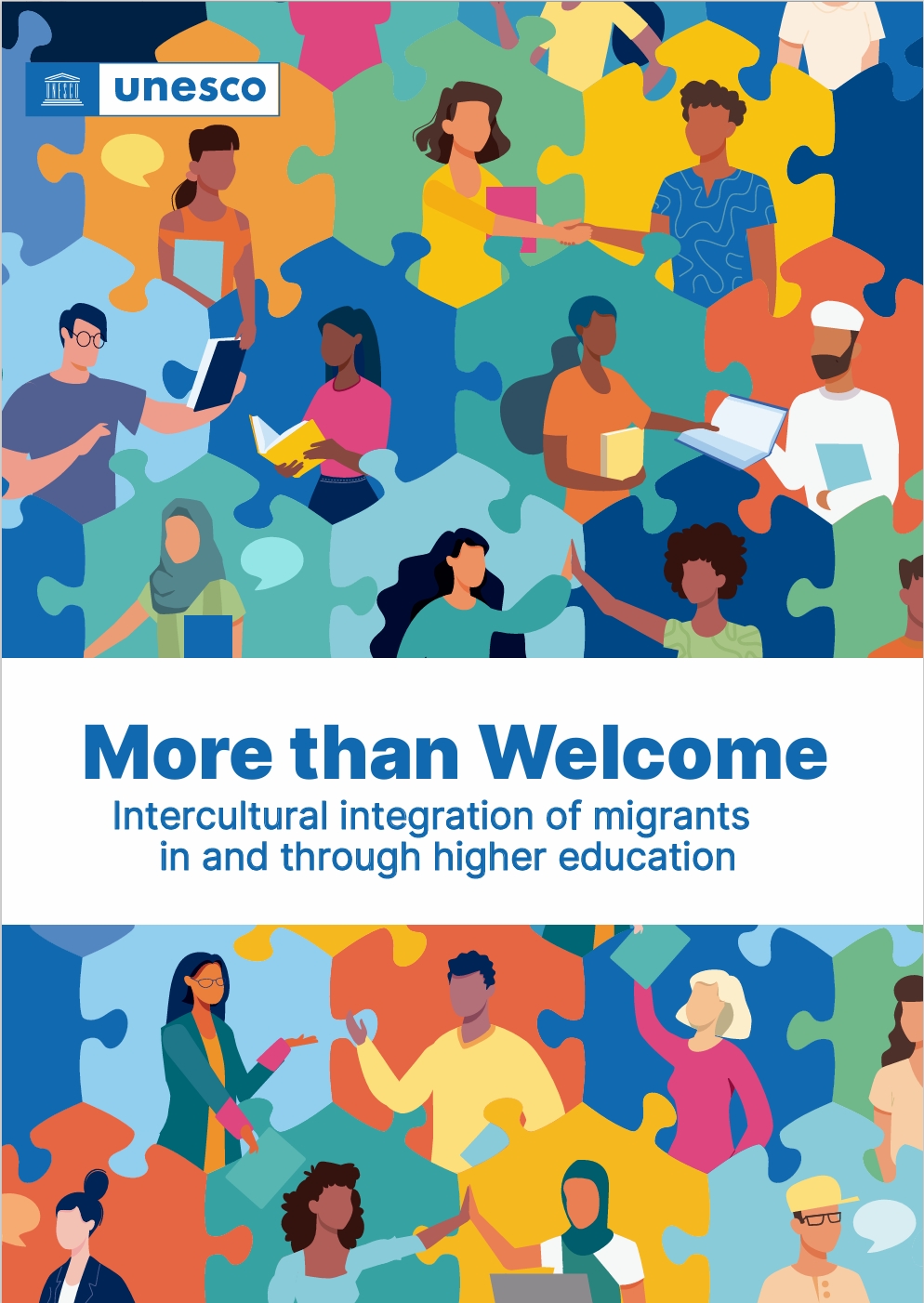 More than Welcome: Intercultural Integration of Migrants in and Through Higher Education