
Thinking Today’s Adolescents’ Citizenship through Social Justice Lens: Why and How?
How do we know what we know about youth citizenship ? This epistemological question has been neglected in the field of youth citizenship and public discourses on youth political apathy. This article draws on the theoretical perspective of social justice studies to unmask the relations of power based on age that have shaped current knowledge about youth citizenship. The analysis draws attention to the epistemic injustices and methodological flaws in the specific field of civic literacy in Canada. It is argued that a difference-centered approach to youth citizenship could help foster a better understanding of youth experiences of civic engagement and political participation. Yet, this potentiel can only be achieved through a self-reflexive inquiry that critically investigates the research process itself in current research trends. Although a dominant approach in the study of civic literacy is limited in its capacity to produce knowledge that is socially just towards adolescents, the concept could be reinvigorated through a critical empirically-grounded examination of youth civic competencies that are evidenced in some of their engagments with new media technologies. Yet, to fulfill this goal also requires that scholars engage in crucial debates about their chosen epistemology and theory of democracy.
相关资源
-
 IIEP-UNESCO 12th Medium-Term Strategy: 2026–2029
 -
 Youth Lens on the Silk Roads: Best Photos from the International Silk Roads Photo Contest; 6th Edition
 -
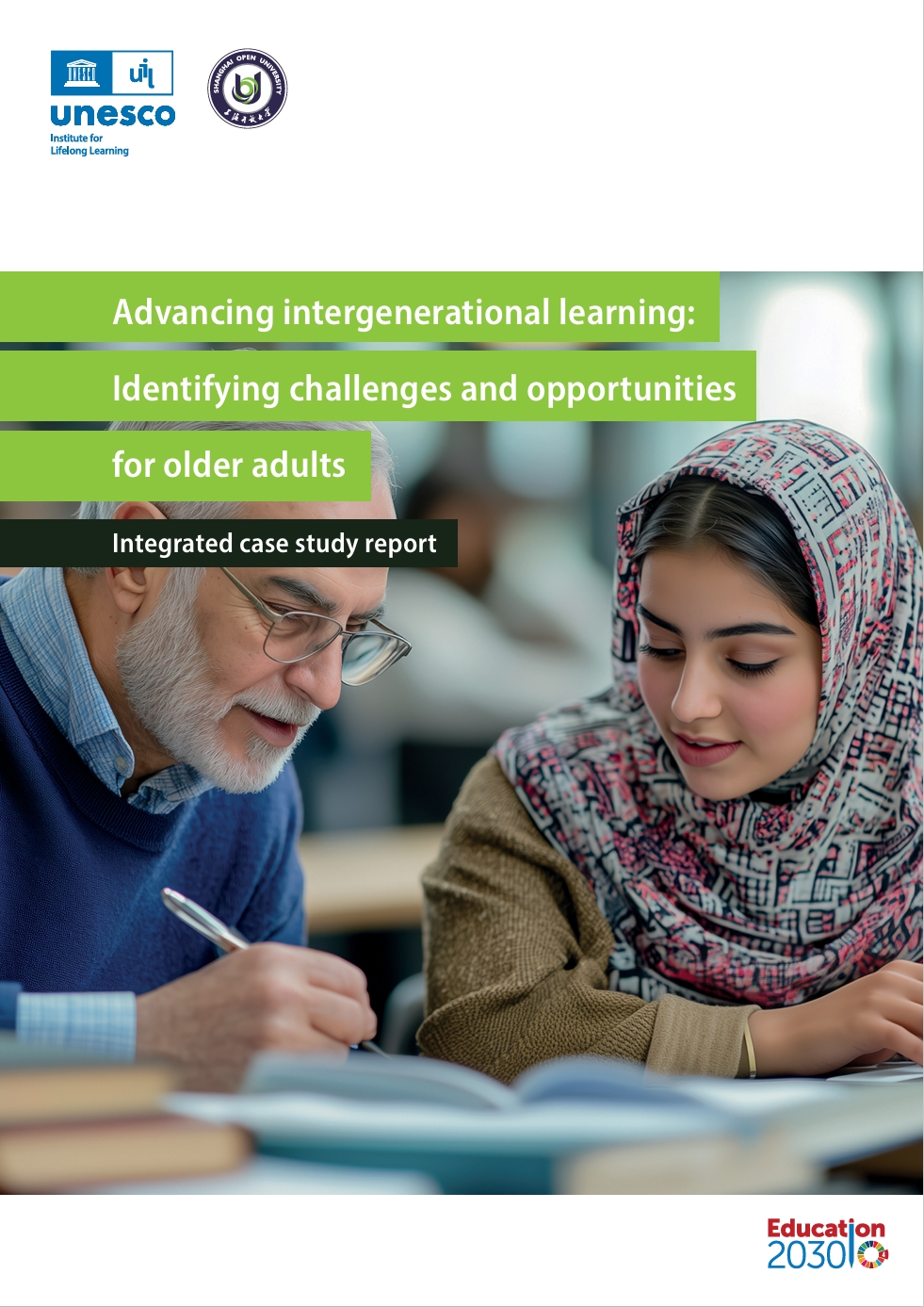 Advancing Intergenerational Learning: Identifying Challenges and Opportunities for Older Adults; Integrated Case Study Report
 -
 Digital Empowerment for Lifelong Learning and Transformative Andragogy (DELTA) for Adult Educators: Introduction to the DELTA Framework and Resources