
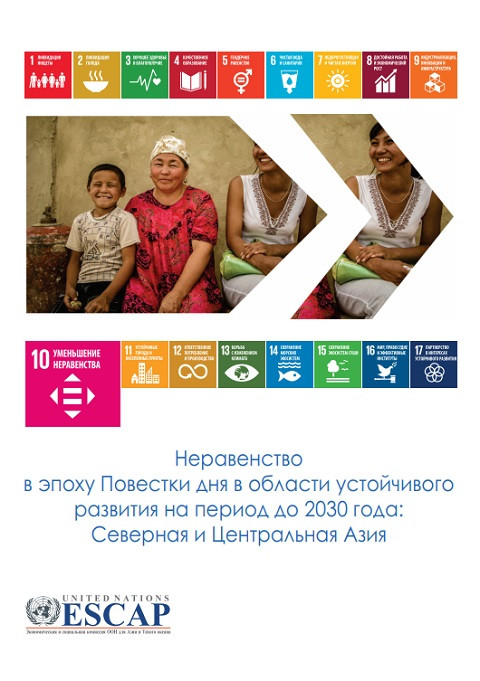
Inequality in the Era of the 2030 Agenda for Sustainable Development: North and Central Asia
This study considers issues pertaining to inequality and its causes in North and Central Asia, based on multidimensional indicators that are now available. It reviews where these countries of North and Central Asia stand in terms of reducing both inequality of outcomes and opportunities through cross-country comparisons. Challenges surrounding inequality of opportunities for selected social groups, namely women, young and older people, rural population and migrant workers are examined. Several concerns come to light: (1) Women tend to be both underpaid and underrepresented in decision-making processes, even though they are economically active and educated; (2) Young people are more likely to be unemployed, which could lead to social displacement; (3) Aging population in selected countries could jeopardize current pension systems which currently cover almost all older persons; (4) a rural-urban divide in terms of access as well as quality of public services remain; and (5) working conditions of migrants are precarious.
相关资源
-
 IIEP-UNESCO 12th Medium-Term Strategy: 2026–2029
 -
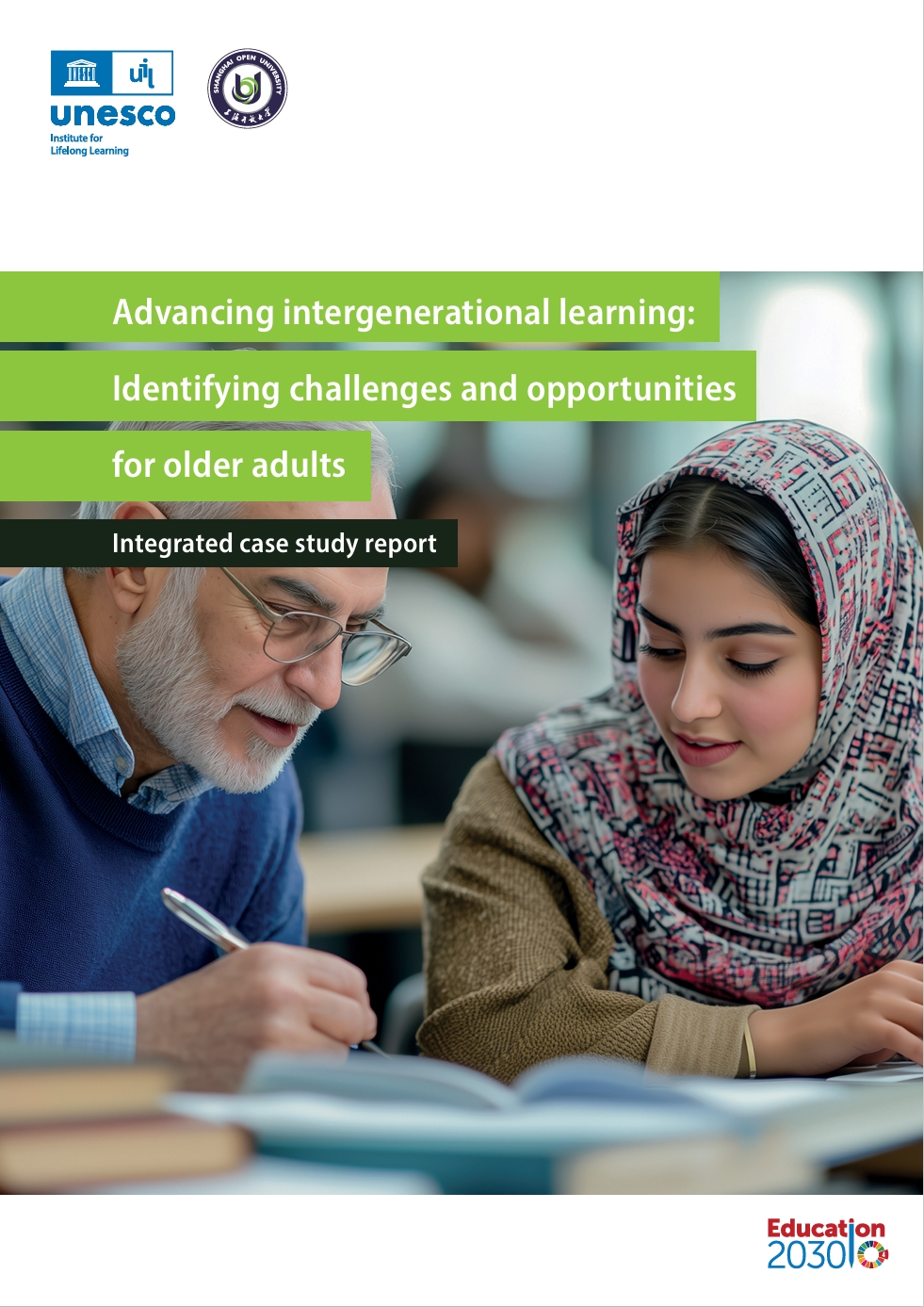 Advancing Intergenerational Learning: Identifying Challenges and Opportunities for Older Adults; Integrated Case Study Report
 -
 Digital Empowerment for Lifelong Learning and Transformative Andragogy (DELTA) for Adult Educators: Introduction to the DELTA Framework and Resources
 -
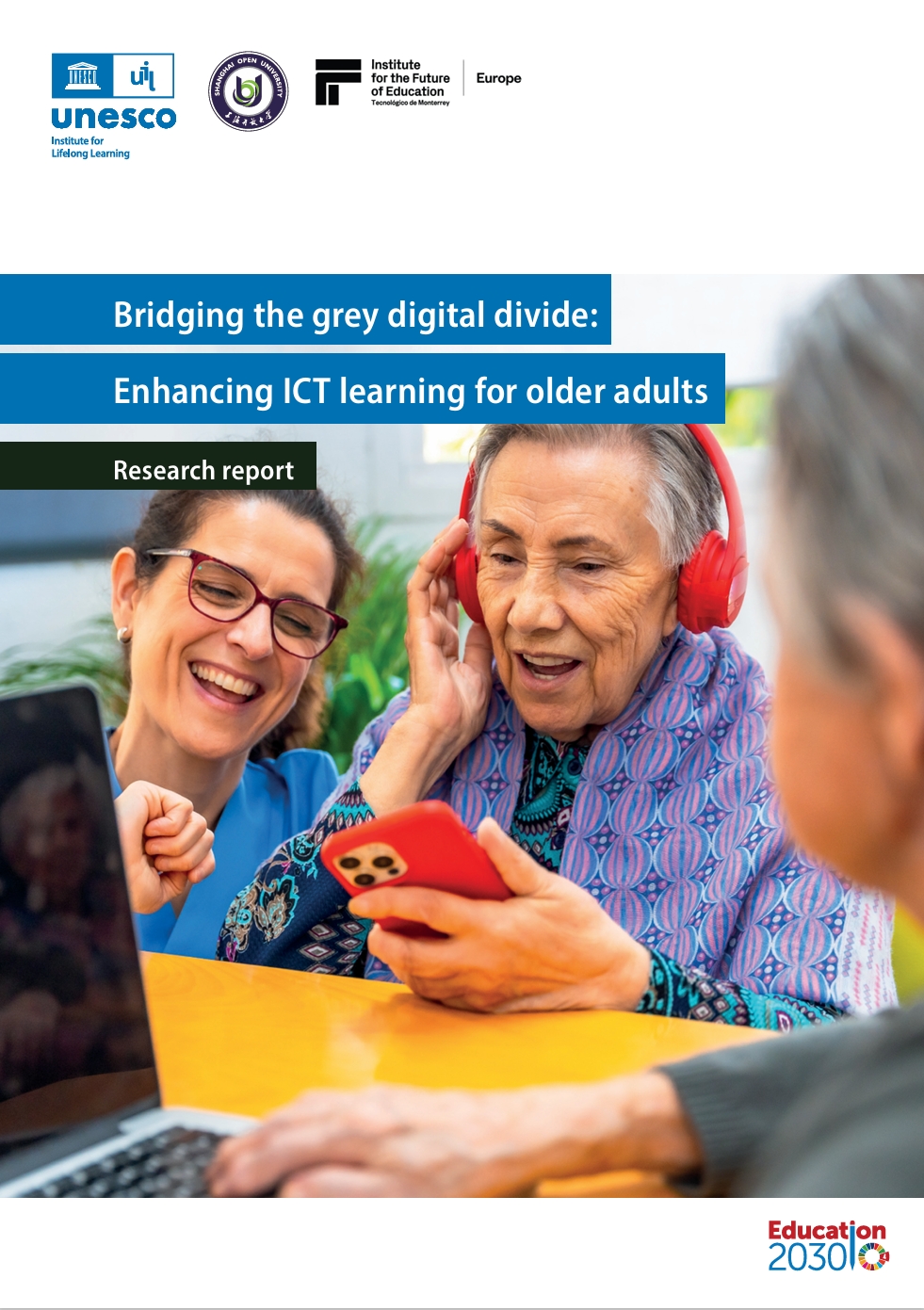 Bridging the Grey Digital Divide: Enhancing ICT Learning for Older Adults; Research Report