
Die Darstellung des Faschismus und Nationalsozialismus in deutschen, österreichischen und italienischen Schulbüchern
- مستوى التعليم
- التعليم الثانوي
Textbooks are often held to be official representations of history. Contrary to many other products of historical culture, they are subject to state control and approval. Yet, especially against this background, the question remains which historical theories and which history didactical concepts are being offered for students’ processing of this period in secondary school level I. How are the dictatorships evaluated and which possibilities are the students offered to deal with the didactically prepared material? Recent Italian, Austrian, and German history textbooks are analysed to see how Italian Fascism and German National Socialism are narratively conceptualized and to what extent students are offered the chance to make an independent evaluation of this recent history. The study tries above all to build a bridge to the contemporary debate about competences in the didactics of history and civics, related to the domain-specific competences students should acquire during their time in school. This is particularly interesting with respect to the two dictatorships, as it comes to determine to what extent the processing of the two dictatorships, in the sense of the acquisition of a reflective and (self-)reflexive historical consciousness, something which today is considered by the majority to be the goal of history education, is at the centre for these three democracies (By the publisher)
موارد ذات صلة
-
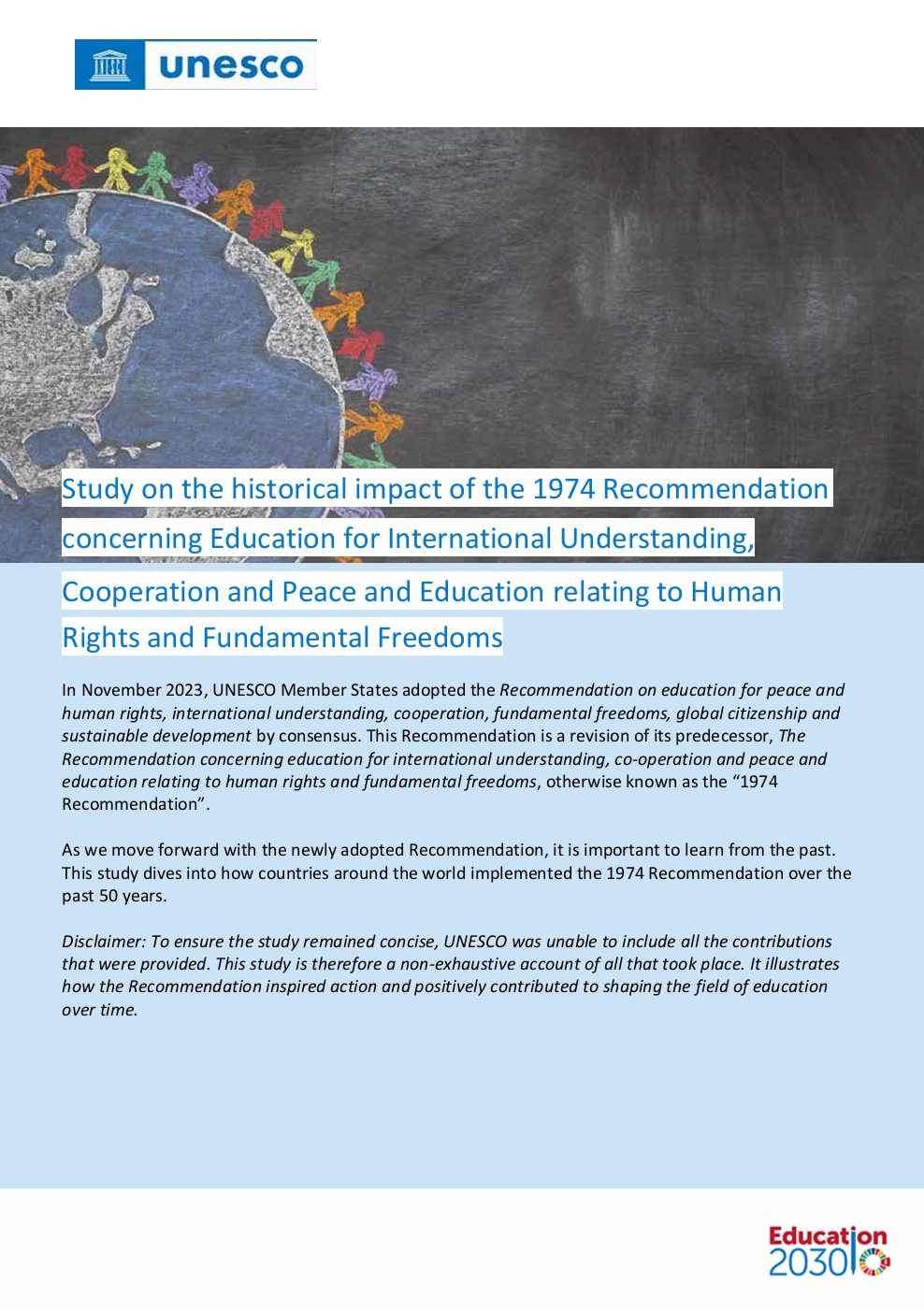 Study on the Historical Impact of the 1974 Recommendation concerning Education for International Understanding, Cooperation and Peace and Education relating to Human Rights and Fundamental Freedoms
 -
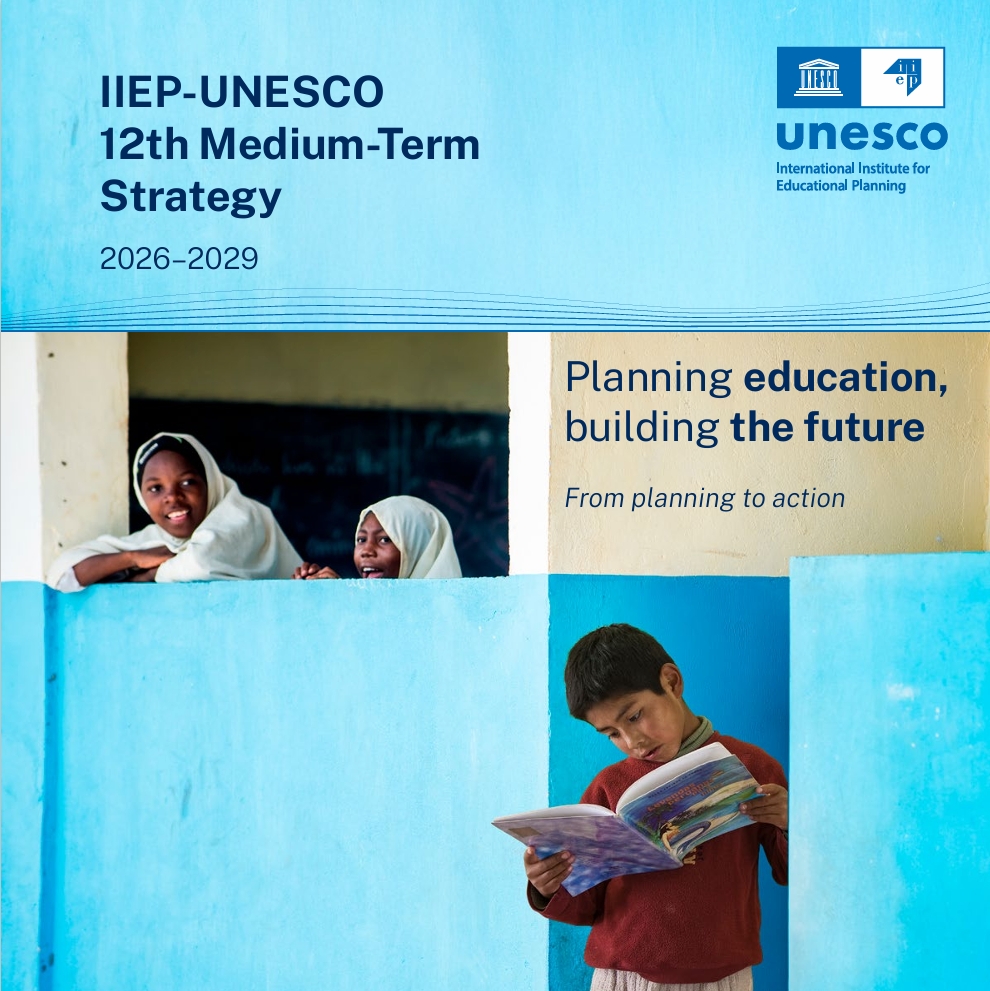 IIEP-UNESCO 12th Medium-Term Strategy: 2026–2029
 -
 More than Welcome: Intercultural Integration of Migrants in and Through Higher Education
 -
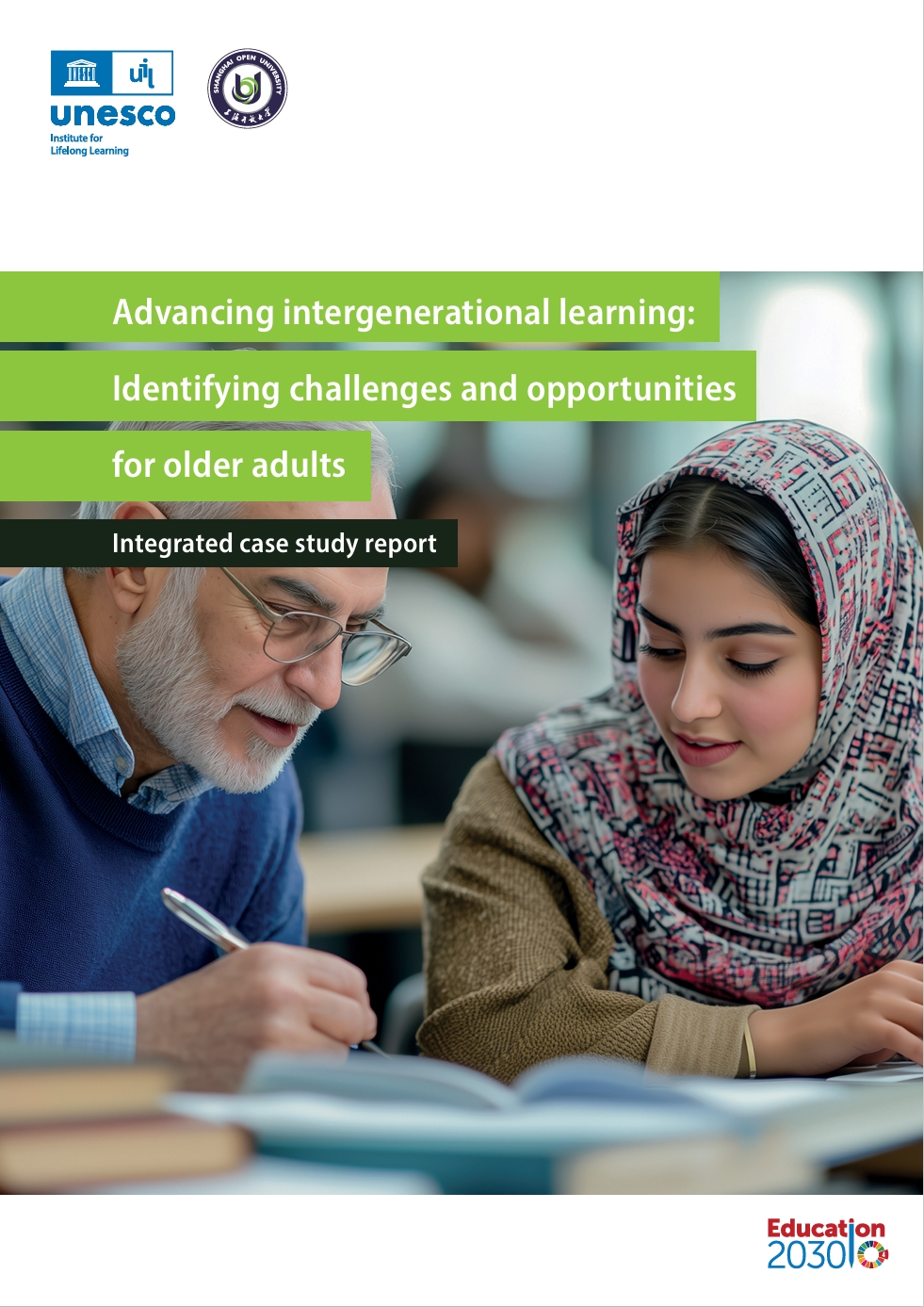 Advancing Intergenerational Learning: Identifying Challenges and Opportunities for Older Adults; Integrated Case Study Report