
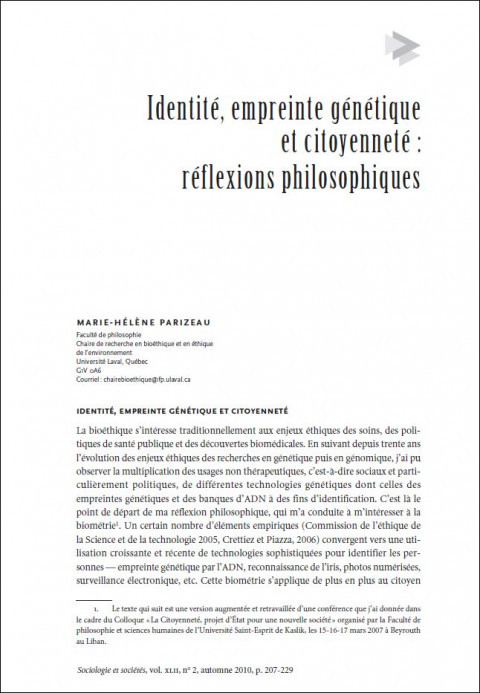
Identity, DNA Typing and Citizenship: Philosophical Reflections
- المؤلف
- Marie-Hélène Parizeau
- المؤلف المؤسسي
- Sociologie et sociétés
- ISBN
- ISSN 1492-1375 (numérique)
- الترتيب
- p. 207–229
- لغة المورد
- الفرنسية
- سنة النشر
- 2010
- الموضوعات
- المدنية / المواطنة / الديمقراطيةالتنوع / محو الأمية الثقافية / الشموليةالعولمة والعدالة الاجتماعية / التفاهم الدولي
- مستوى التعليم
- التعليم العالي
- المناطق
- أوربا وأمريكا الشمالية
- مكان النشر
- Québec
In a context of globalization, migratory flows and the hunt for terrorists, how are biometrics, and, more specifically, the notion of the human DNA Typing, changing the individual’s relationship to his or her citizenship ?
To try to answer this question, we review some of the theoretical aspects of citizenship and briefly outline the history of identification measures linked to the advent of citizenship. We then examine the current context of the use of biometrics for identification purposes and the reasons for its use as cited by the European Community and the United States. We more particularly look at the case of the human DNA Typing, using examples from Canada and the United States. The genetic footprint is related to personal identity based on Paul Ricoeur’s concept of narrative identity. We show how the ethno-racial criteria used by biometrics, together with the ideology of multiculturalism, are constructing, in the West, a new narration of the Other, of foreigners, which excludes them from the sphere of citizenship.
موارد ذات صلة
-
 IIEP-UNESCO 12th Medium-Term Strategy: 2026–2029
 -
 Youth Lens on the Silk Roads: Best Photos from the International Silk Roads Photo Contest; 6th Edition
 -
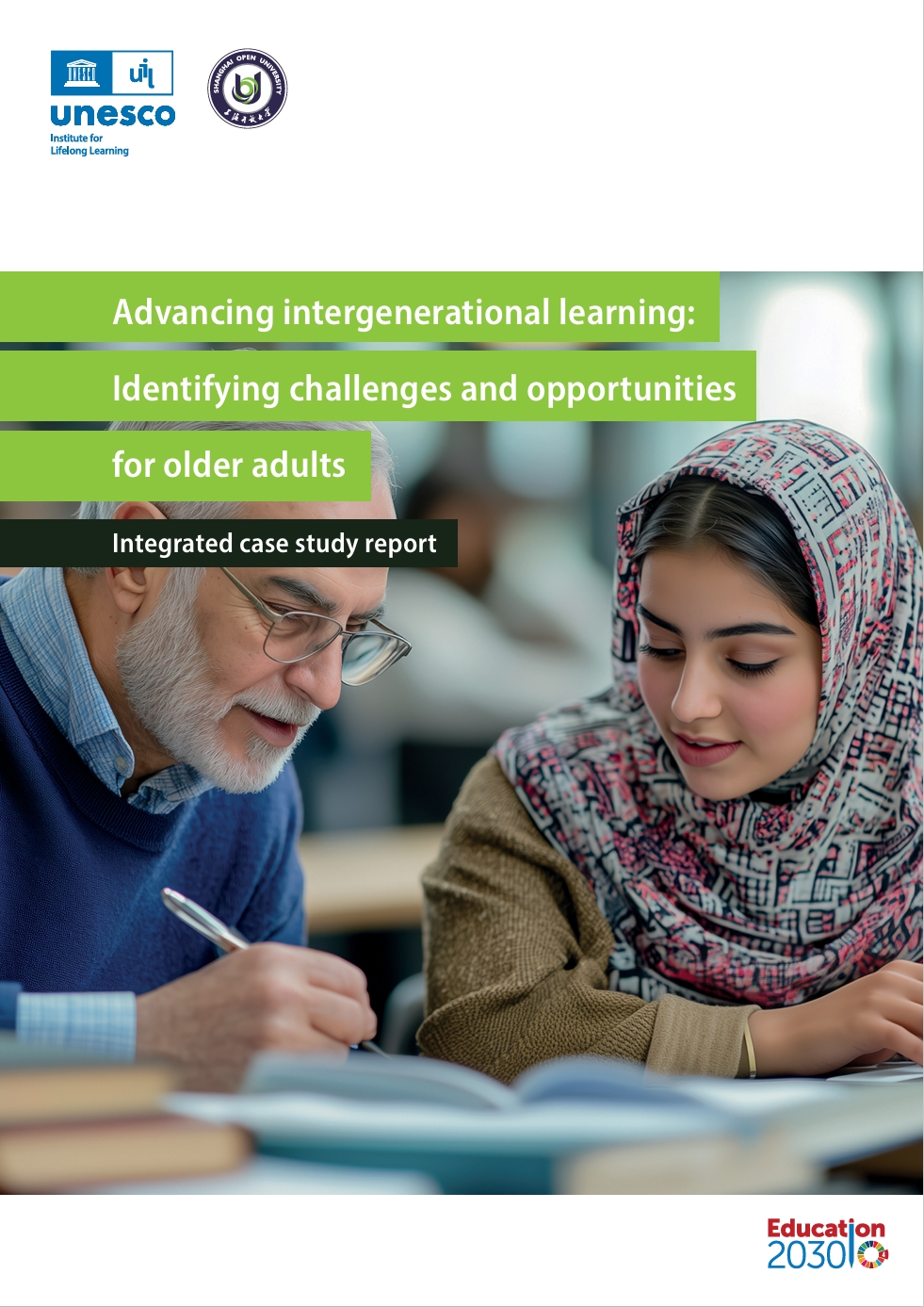 Advancing Intergenerational Learning: Identifying Challenges and Opportunities for Older Adults; Integrated Case Study Report
 -
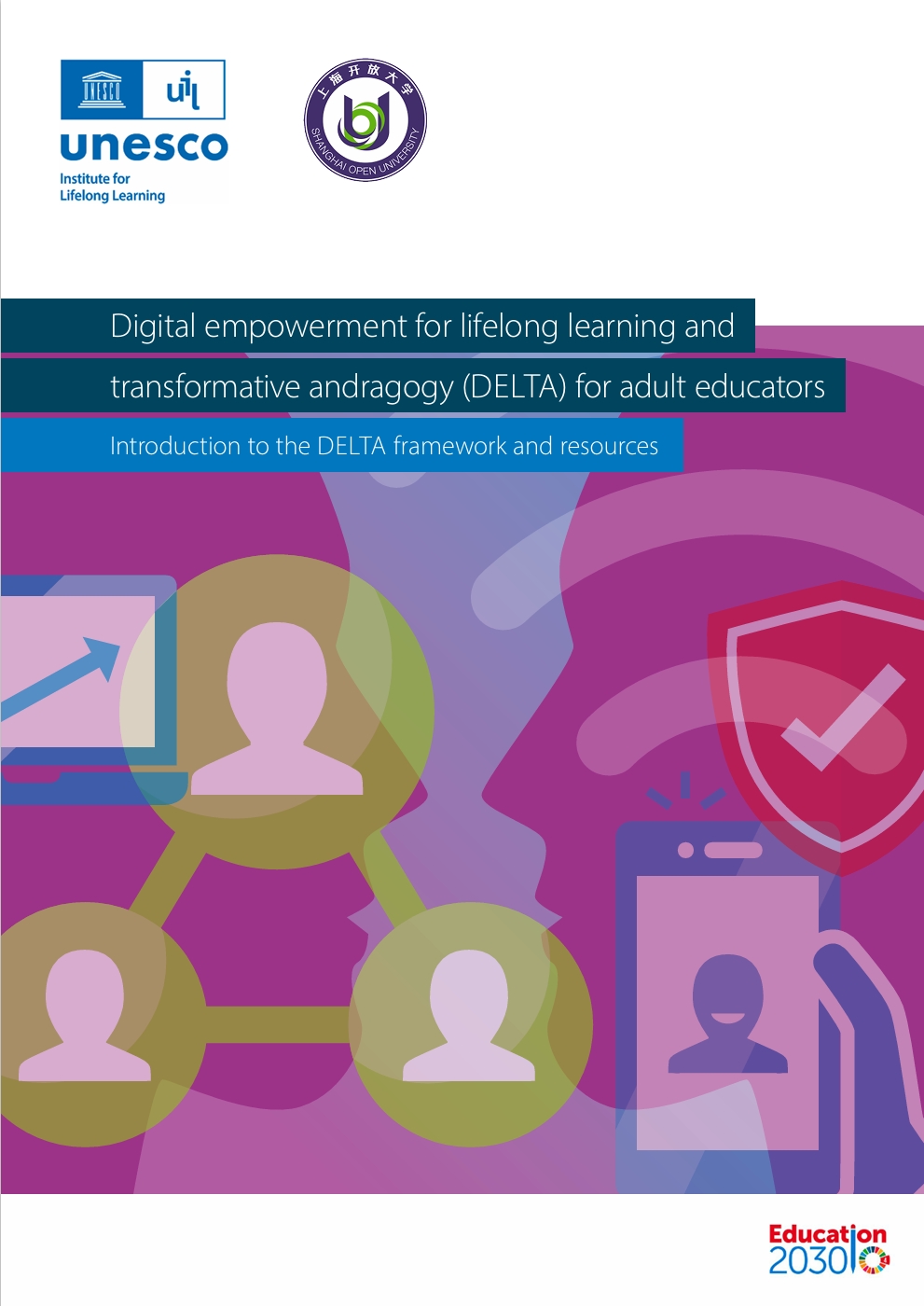 Digital Empowerment for Lifelong Learning and Transformative Andragogy (DELTA) for Adult Educators: Introduction to the DELTA Framework and Resources