
COVID 19, Technology-Based Education and Disability: The Case of Bangladesh; Emerging Practices in Inclusive Digital Learning for Students With Disabilities
- Corporate Author
- UNESCO
- Collation
- 38 p.
- Resource Language
- English
- Year of publication
- 2021
- Topic
- Globalisation and social justice / International understandingDiversity / Cultural literacy / InclusivenessSustainable development / SustainabilityOthers
- Resource Type
- Research papers / journal articles
- Level of education
- Early childhood care and educationPrimary educationSecondary educationHigher education
- Region
- Asia and the Pacific
- Place of publication
- Paris
This study sheds light on Bangladesh’s initiatives in the area of disability-inclusive education. The particu- lar focus is on the role of its Accessible Reading Materials (ARM) initiative and how this has contributed to ensuring disability-inclusive and accessible education during the COVID-19 pandemic in Bangladesh. ARM is a government-led initiative that was launched in 2014 by the then Access to Information (a2i) programme of the Prime Minister’s Office, now the Aspire to Innovate Programme of the Information and Communica- tion Technology (ICT) Division of the Government of Bangladesh. It was launched in recognition of the need for solutions to ensure virtual, as well as regular reading access for all students, including children and young people with barriers to reading. ARM is aimed at satisfying the educational needs of all students including students with print and learning disabilities.
Related Resources
-
 Study on the Historical Impact of the 1974 Recommendation concerning Education for International Understanding, Cooperation and Peace and Education relating to Human Rights and Fundamental Freedoms
 -
 IIEP-UNESCO 12th Medium-Term Strategy: 2026–2029
 -
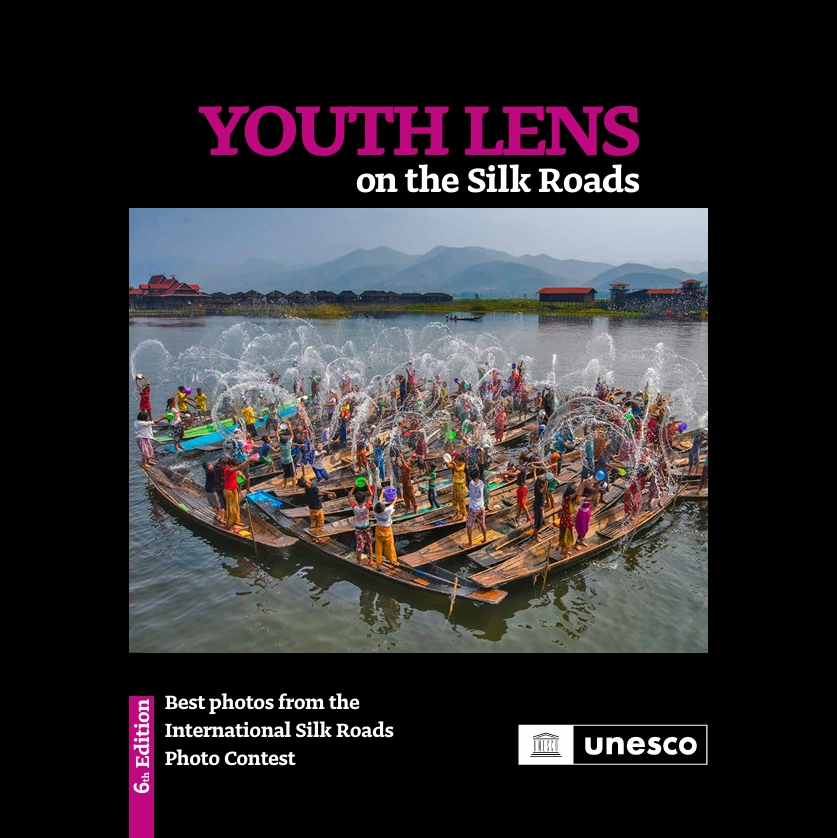 Youth Lens on the Silk Roads: Best Photos from the International Silk Roads Photo Contest; 6th Edition
 -
 More than Welcome: Intercultural Integration of Migrants in and Through Higher Education