
COVID 19, Technology-Based Education and Disability: The Case of Bangladesh; Emerging Practices in Inclusive Digital Learning for Students With Disabilities
- Корпоративный автор
- Организация Объединенных Наций по вопросам образования, науки и культуры (UNESCO)
- Колляция
- 38 p.
- Язык ресурса
- Английский
- Год публикации
- 2021
- Тема
- Глобализация и социальная справедливость / Международное взаимопониманиеРазнообразие / Культурная грамотность / ИнклюзивностьУстойчивое развитие / УстойчивостьДругое
- Тип ресурса
- Исследовательские работы / журнальные статьи
- Уровень образования
- Раннее детское развитие, уход и образованиеНачальное образованиеСреднее образованиеВысшее образование
- Регион
- Азия и Тихоокеанский регион
- Место публикации
- Paris
This study sheds light on Bangladesh’s initiatives in the area of disability-inclusive education. The particu- lar focus is on the role of its Accessible Reading Materials (ARM) initiative and how this has contributed to ensuring disability-inclusive and accessible education during the COVID-19 pandemic in Bangladesh. ARM is a government-led initiative that was launched in 2014 by the then Access to Information (a2i) programme of the Prime Minister’s Office, now the Aspire to Innovate Programme of the Information and Communica- tion Technology (ICT) Division of the Government of Bangladesh. It was launched in recognition of the need for solutions to ensure virtual, as well as regular reading access for all students, including children and young people with barriers to reading. ARM is aimed at satisfying the educational needs of all students including students with print and learning disabilities.
Связанные ресурсы
-
 IIEP-UNESCO 12th Medium-Term Strategy: 2026–2029
 -
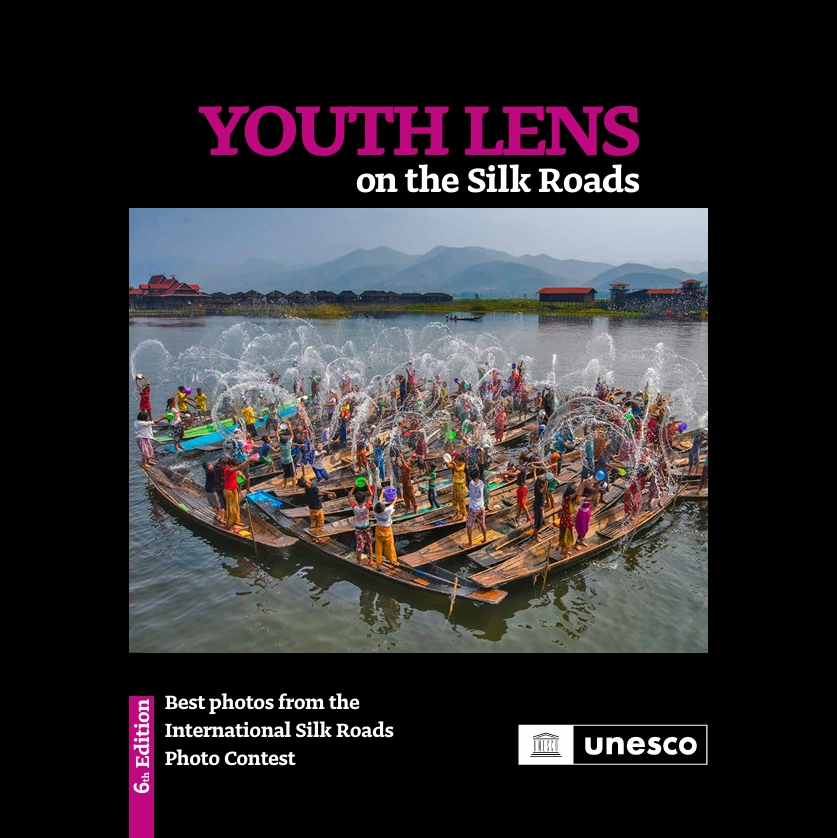 Youth Lens on the Silk Roads: Best Photos from the International Silk Roads Photo Contest; 6th Edition
 -
 Advancing Intergenerational Learning: Identifying Challenges and Opportunities for Older Adults; Integrated Case Study Report
 -
 Digital Empowerment for Lifelong Learning and Transformative Andragogy (DELTA) for Adult Educators: Introduction to the DELTA Framework and Resources