
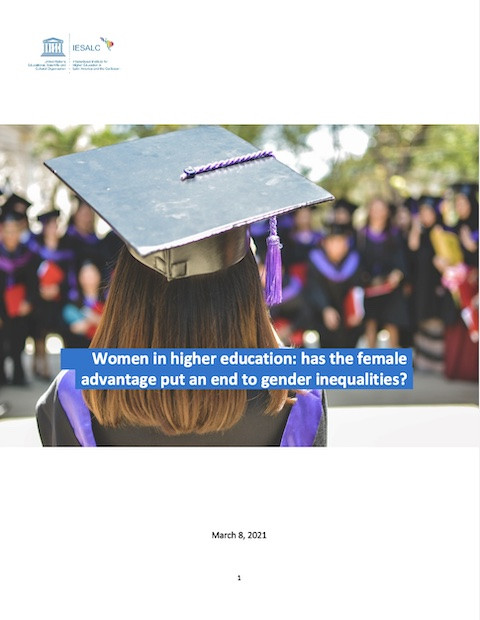
Women in Higher Education: Has the Female Advantage Put an End to Gender Inequalities?
- Corporate Author
- UNESCO
- ISBN
- ISBN 978-980-7175-55-5 (eng); ISBN 978-980-7175-56-2 (spa)
- Collation
- 58 p.
- Resource Language
- EnglishSpanish
- Year of publication
- 2021
- Topic
- Globalisation and social justice / International understandingDiversity / Cultural literacy / InclusivenessSustainable development / Sustainability
- Resource Type
- Research papers / journal articles
- Level of education
- Higher education
- Place of publication
- Caracas; Paris
Regardless of encouraging statistics on women access to higher education, women still encounter obstacles when seeking to occupy key academic positions in universities, to be involved with relevant research, and to take leadership roles.
Women are overrepresented among teaching staff at lower education levels, while their presence is markedly lower in tertiary education (vertical segregation). The same is true in school management and education policymaking. Women are also still underrepresented as senior faculty and in higher education decision-making bodies in many countries.
In the area of research, men publish on average more articles than women showing there is a gender publication gap. Differences in men ́s and women ́s academic publication persist and are most pronounced for publications in top journals.
STEM (science, technology, engineering, and mathematics) areas of study show a heavy underrepresentation of female students in most countries. This underrepresentation of female students is closely linked to the underrepresentation of female researchers in those areas. Globally, the percentage of females studying engineering, manufacturing and construction or ICT (information and communications technology) is below 25% in over two- thirds of countries.
During the first wave of the COVID-19 pandemic, although submission of academic papers for publication increased in all months during the lockdown period, the rate of increase in submissions by female researchers was significantly less than those by male researchers. This deficit was also found to be especially pronounced among younger cohorts of female academics.
Related Resources
-
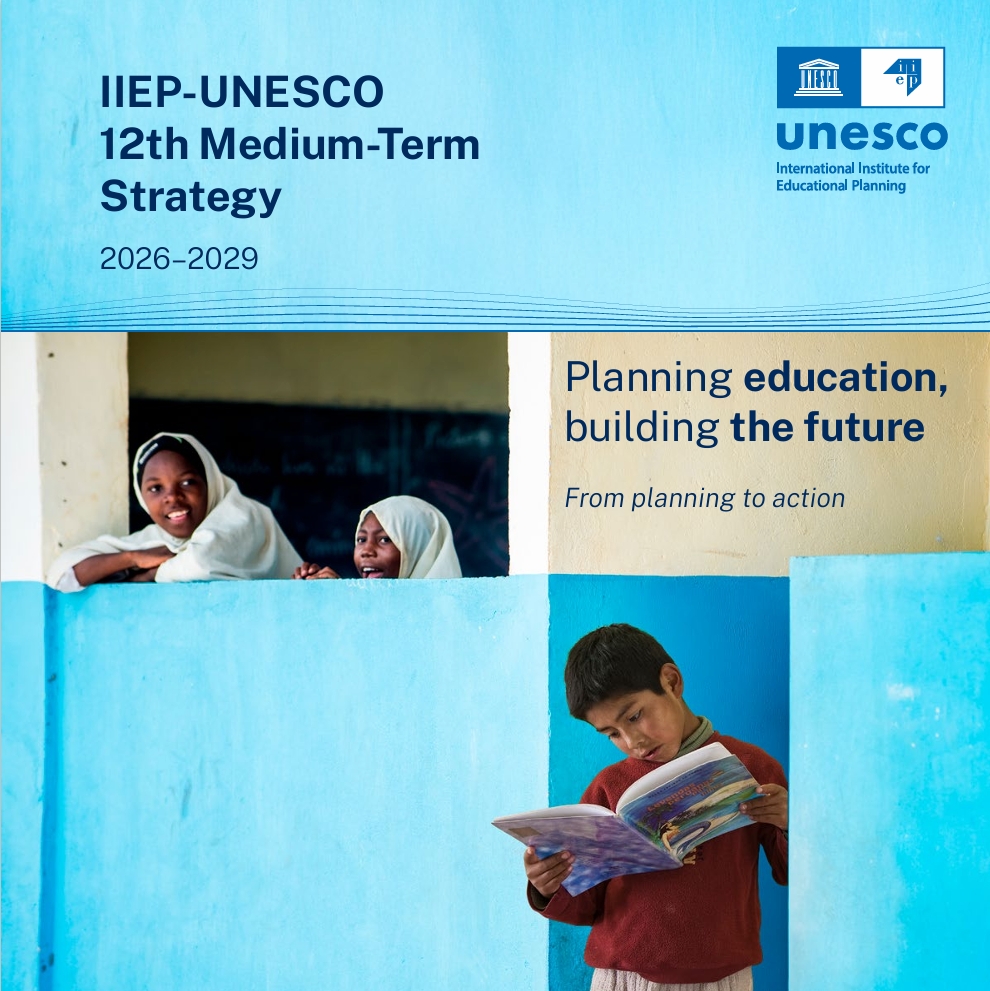 IIEP-UNESCO 12th Medium-Term Strategy: 2026–2029
 -
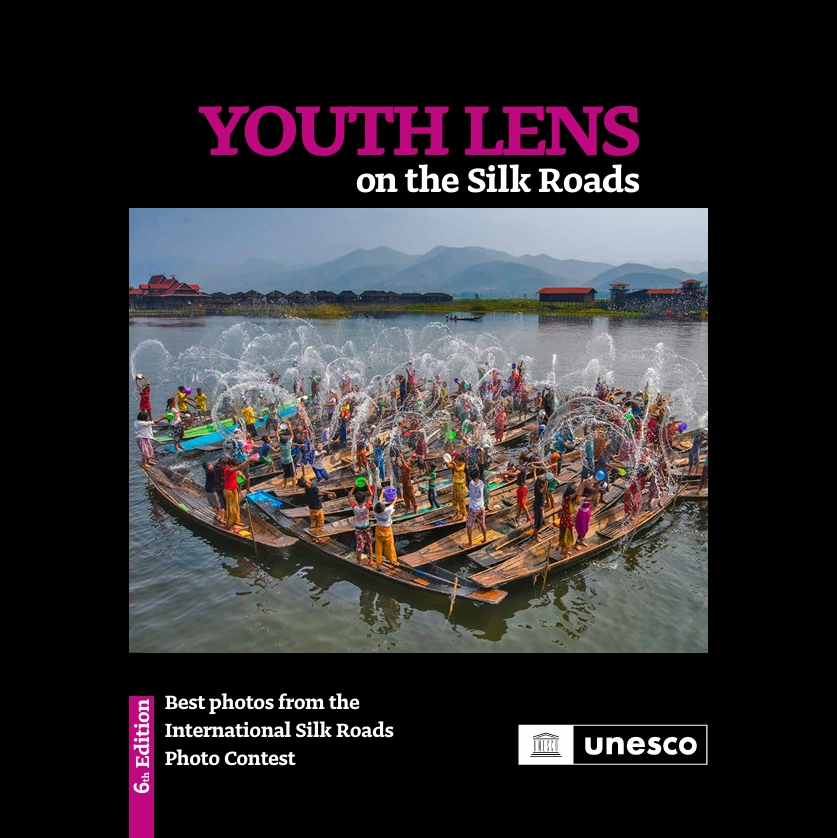 Youth Lens on the Silk Roads: Best Photos from the International Silk Roads Photo Contest; 6th Edition
 -
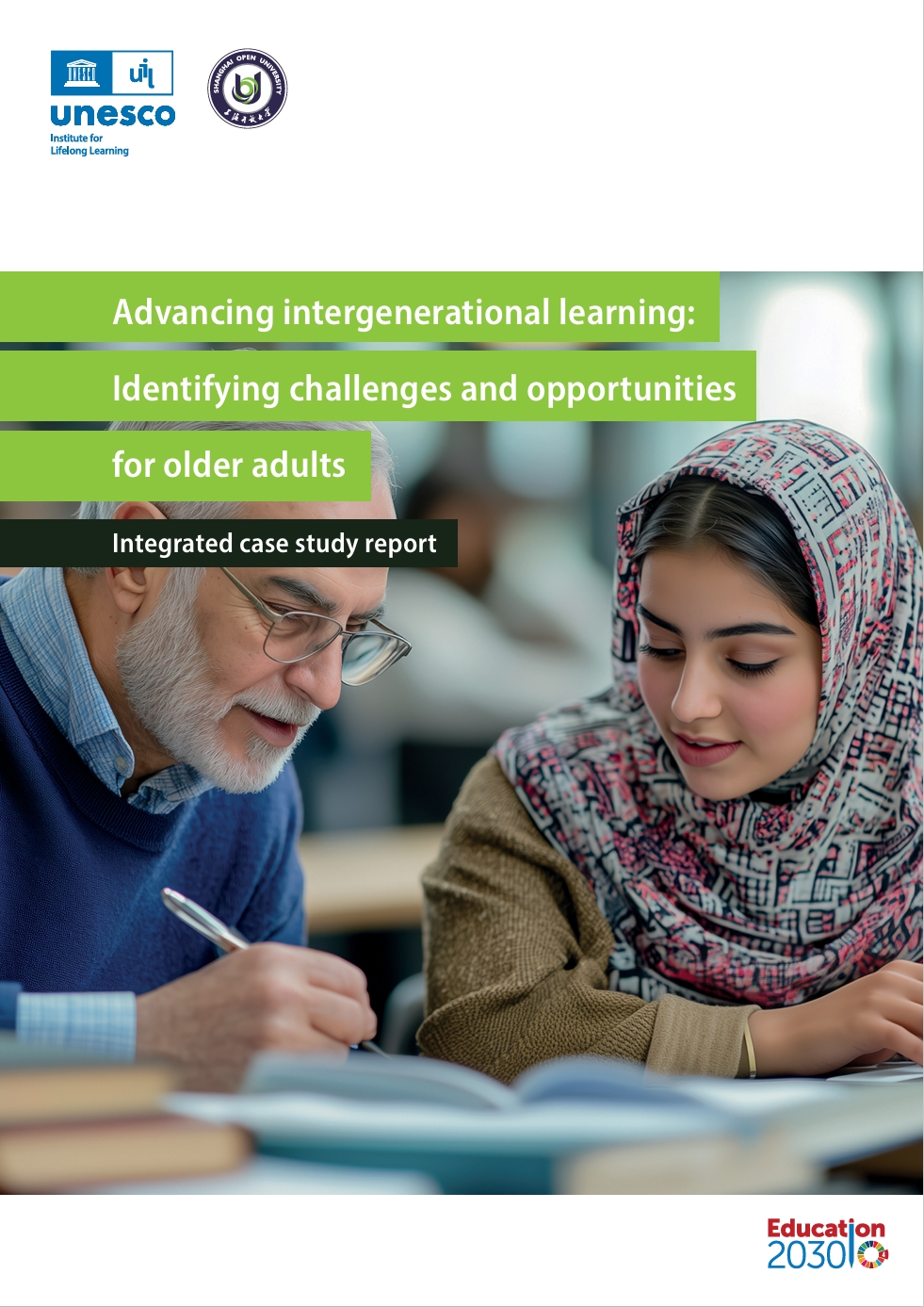 Advancing Intergenerational Learning: Identifying Challenges and Opportunities for Older Adults; Integrated Case Study Report
 -
 Digital Empowerment for Lifelong Learning and Transformative Andragogy (DELTA) for Adult Educators: Introduction to the DELTA Framework and Resources